Metamorphosis Centre for Change

Category: Uncategorized

  • Canada’s Opioid Pandemic and Potential Pathways Forward

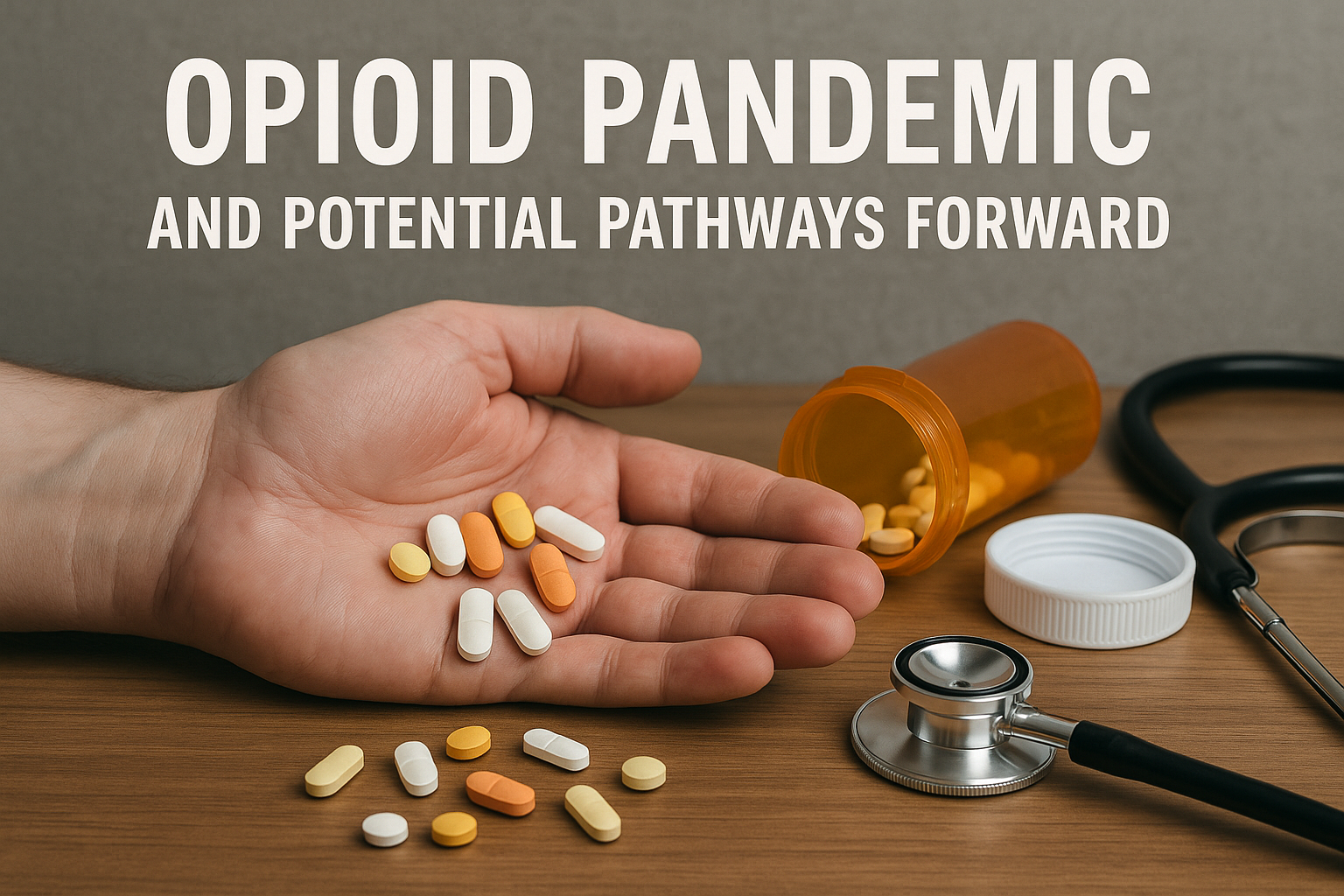
    Canada’s Opioid Pandemic and Potential Pathways Forward

    Canada is known for its healthcare system and high standard of living, yet it faces an urgent public health challenge in the opioid crisis. The crisis has reached communities of every size and affected people from all walks of life. This article looks at what the crisis involves, the factors that contribute to it, the responses that have been tried, and the pathways that many experts say are needed to move forward. It is written for general readers and does not replace guidance from clinicians or public health authorities.

    The Scope of the Crisis

    The opioid crisis in Canada is wide-reaching. Opioid-related overdoses have affected people in cities, small towns, rural areas and remote communities, and they have touched people of every age, income level and background. Many provinces and communities have treated the situation as an emergency, and healthcare, police, paramedic and social services have all felt the strain.

    The crisis is not limited to people who use drugs. Families lose loved ones, workers and bystanders can be exposed to harm, and communities absorb the costs of emergency response, hospital care and grief. Because overdose can happen quickly and often without warning, the consequences can be sudden and irreversible, which is part of why the situation feels so urgent.

    Public data on the crisis are updated regularly by federal and provincial agencies. Readers who want current figures should consult those official sources directly rather than relying on summaries that may be out of date.

    Canada is also a large and varied country, and the crisis looks different from one place to another. Urban centres may see more visible drug use and more concentrated services, while rural areas may have fewer options and longer travel times to care. Indigenous communities have been affected in disproportionate ways, shaped by historical and ongoing inequities, and responses are most effective when they are designed with community leadership.

    Contributing Factors

    Understanding the crisis requires looking at several forces at once. Prescription opioids played a role in the early stages for many people, as did changes in how pain was treated and how prescriptions were written. Over time, the supply of illicit opioids, including fentanyl and related substances that are far more potent than heroin, has increased the risk of overdose for people who use drugs.

    Access to treatment is another factor. Many people who want help face long waits, limited local services, cost barriers or difficulty finding a program that matches their needs. Rural and remote communities can be especially underserved. When treatment is hard to reach, people are more likely to continue using in unsafe ways.

    Mental health concerns, trauma, housing instability, poverty and social isolation also contribute. Economic pressures can increase stress and reduce access to support. Stigma can keep people from seeking help, and it can make it harder for communities to agree on responses.

    Current Responses and Their Limits

    A range of strategies have been put in place. Harm reduction measures aim to keep people alive and connected to services. These include naloxone distribution, which can reverse an opioid overdose when given promptly, as well as drug checking services and some supervised consumption services. Changes to prescribing guidelines have aimed to reduce unnecessary exposure to opioids.

    Opinions on these measures differ, and their effectiveness depends on local context, funding, and how well they are linked to treatment and housing. Harm reduction can reduce immediate harm, but many experts argue it works best alongside treatment that addresses the underlying causes of addiction. Critics of some approaches raise concerns about public safety and community impact, and those concerns deserve to be heard in local decision-making.

    Gaps remain. Treatment capacity is not yet sufficient in many areas, and people may move between services without continuity of care. The result can be a system that reduces immediate danger but leaves people without the long-term support they need to recover.

    Pain care is part of the picture. Many people who later develop opioid problems first took opioids for legitimate pain after surgery or injury. Safer pain management, which can include non-opioid options, physical therapy and careful monitoring, can reduce that pathway. Anyone with chronic pain should work with a physician to weigh benefits and risks, and should never stop or change prescribed medication abruptly without medical advice.

    Toward a Holistic Approach

    A multi-pronged strategy that includes prevention, treatment, harm reduction and aftercare is widely seen as necessary. Prevention can start with clear education about the risks of opioids, careful prescribing, and early support for people experiencing pain, trauma or mental health concerns. Affordable and accessible treatment, including medication for opioid use disorder, needs to be available across regions and delivered by trained clinicians.

    Aftercare is equally important. Long-term support, including counselling, peer networks, stable housing and meaningful work, helps people stay well once the acute crisis has passed. Without that support, people leaving treatment can face the same pressures that led to use.

    Technology has a role as well. Data can help health systems monitor trends and direct resources. Telehealth can extend access to people in remote communities. Mobile and online tools can give people information about local services, though they cannot replace in-person care.

    Peer-led efforts matter as well. People with lived experience of substance use often understand barriers that professionals may miss, and peer workers can help others find services, navigate systems and stay engaged. Peer approaches work best when they are supported with training, fair pay and clear links to clinical care.

    Government, Community and Individual Action

    Addressing the crisis requires coordination among federal and provincial governments, health authorities, police, community organizations and people with lived experience. Policy decisions are most durable when they are evidence-based, focus on both immediate safety and long-term recovery, and are reviewed as conditions change.

    Individuals and families also play a part. Learning to recognize overdose, carrying naloxone where possible, and avoiding using alone can reduce risk. Anyone who is worried about opioid use should speak with a physician or pharmacist about options. Anyone who has overdosed, or who is with someone who has, should call 911 or the local emergency number immediately.

    For people who are ready to explore treatment, our medical detox program, residential treatment and aftercare pages describe the kinds of support available. You can also contact our team or call 705-429-3870.

    The path forward is unlikely to be linear. Progress may come in steps, with setbacks along the way. Communities that track outcomes, learn from what is working, and stay honest about what is not can adjust their approach over time. For individuals, recovery is also rarely a straight line, and the most useful response to a setback is usually a quick return to support.

    Frequently Asked Questions

    What is the opioid crisis in Canada?

    It is a widespread public health problem in which opioid use and overdose have caused serious harm across the country. It involves prescription and illicit opioids, including highly potent substances such as fentanyl, and it affects people in every region and community.

    Where can I find current data on the crisis?

    Federal and provincial public health agencies publish regularly updated information on opioid-related harms. Checking those official sources gives the most reliable and current picture, since figures change over time.

    What can I do if someone may be overdosing?

    Call 911 or your local emergency number immediately. If naloxone is available, it can be given according to the instructions on the package while help is on the way. Stay with the person, keep watching their breathing, and do not leave them alone.

  • why do people use drugs and how do they get addicted

    why do people use drugs and how do they get addicted

    People start using drugs for many reasons: curiosity, friends, stress, emotional pain, or simply wanting a break from a hard stretch of life. Addiction rarely comes from one decision or one personality type. It usually develops when use keeps being reinforced by the brain, by the relief it brings, and by the people and surroundings around a person, until stopping feels much harder than continuing. Understanding those pathways helps families and clinicians respond with less blame and more useful help.

    Curiosity and Experimentation

    Curiosity is one of the most common starting points. It is strongest in adolescence and young adulthood, when people are testing limits and figuring out who they are. Some people try a substance because friends are doing it, because they want to fit in, or because they want to see what the fuss is about. Most people who experiment do not develop a substance use disorder, but experimentation is still the first step for some, and the risk rises with frequency, the type of drug and the circumstances around use.

    Coping Mechanisms and Emotional Pain

    For many people, drug use is less about excitement and more about coping. Depression, anxiety, trauma, grief and chronic stress can all make a substance seem like the only way to get through the day. Drugs can bring fast relief, and that relief teaches the brain to return to them when distress returns. Over time, the substance becomes the main tool for managing emotions, and other coping skills fade. This is why treating the underlying emotional problem matters as much as stopping the drug itself.

    Social Influences and Environmental Factors

    The environment a person grows up in or lives in can shape drug use. Family history, financial pressure, neighbourhood conditions and community attitudes all play a part. If drug use is normal among the people someone sees every day, it can feel like the expected choice. Peer pressure and social networks often act as catalysts, especially when a person wants acceptance and does not see a healthy alternative. Access also matters. The easier a substance is to obtain, the more likely it is to be used.

    Escaping Reality: A Double-Edged Sword

    For some people, drugs offer a way to step away from problems that feel overwhelming. The pressure of work, the weight of responsibilities, or a struggle with identity can all make a temporary break attractive. The problem is that escape can become a habit. The longer someone relies on a substance to avoid reality, the harder it becomes to face the issues underneath, and the more those issues grow. What began as a short break can turn into a cycle that is difficult to leave.

    The Biochemical Trap

    Most addictive substances affect the brain’s reward system, which normally helps people learn what is good for them. Many drugs cause large releases of dopamine, a chemical messenger linked to motivation and pleasure. Over repeated use, the brain can adjust. It may produce less natural reward in response to ordinary pleasures, so the person feels flat without the drug and needs it to feel normal. Tolerance can develop, meaning more of the substance is needed to get the same effect. This physical side of dependence works alongside the emotional and social side, which is why stopping can feel so hard.

    Addiction: A Complex Interplay

    Addiction rarely has a single cause. It is usually the result of emotional, social and biological factors that interact over time. The cycle can also feed itself. Broken relationships, financial strain, legal trouble and declining health create new stress, and stress often pushes people back toward the substance. This is why people who are trying to stop often need help with several areas of life at once, not only with the drug.

    Conclusion

    The road to addiction is rarely straight. It can begin with curiosity, move through emotional coping, and become entrenched through social influences and changes in the brain. Understanding that complexity is essential for prevention and treatment, because it shows why effective help usually combines medical care, counselling, peer support and practical planning. If you are worried about your own use or someone else’s, contact our team or call 705-429-3870 to talk through the next step.

    Frequently asked questions about how people get addicted to drugs

    Why do some people become addicted after trying a drug once?

    Most people who try a drug once do not become addicted. Risk depends on the substance, how it is used, a person’s genetics and mental health, and the environment around them. Some people are more vulnerable from the start.

    Is addiction a lack of willpower?

    No. Addiction changes how the brain learns and responds to rewards and stress, so stopping is harder than simple willpower suggests. Effective treatment addresses both the brain and the circumstances that keep the cycle going.

    When should someone seek help for drug use?

    Seek help if use is causing harm, if you cannot cut back when you want to, or if withdrawal symptoms appear when you stop. A doctor, addiction specialist or treatment centre can assess the situation and suggest options.

    Related reading: Addiction rehab in Toronto.

  • Unpacking Alcoholics Anonymous and its Role in Canadian Recovery Journeys

    Alcoholics Anonymous, usually called AA, is one of the best known mutual support groups for people who want to stop drinking. It was founded in the United States in 1935 and now holds meetings in communities across Canada, from large cities to small towns and rural areas. AA offers peer support, a set of guiding principles called the Twelve Steps, and a regular meeting schedule. For many people it works best as one part of a wider plan that includes medical care where needed. This article explains how AA works, what people usually experience at a meeting, and where it fits alongside professional help.

    The Origins of AA and the Twelve Steps

    AA grew out of a simple idea: people struggling with alcoholism can help one another stay sober by talking openly about their experiences. That idea developed into a program built around the Twelve Steps, a set of guidelines that ask members to examine their past honestly, make amends where possible, and keep working on their behaviour over time. Many members describe the steps in spiritual terms, while others treat them as a practical framework for changing habits and relationships.

    Over the decades the program has spread to many countries. In Canada, AA has been active for a long time and has adapted its general principles to fit many different communities. The core ideas stay much the same from one group to the next, although the way people talk about them can vary. Learning the basic principles before your first visit can help you decide whether the approach feels like a reasonable fit.

    What Happens at an AA Meeting

    Meetings are the heart of AA. They can take place in a small room in a church basement, a community centre or a larger hall with dozens of people. Some meetings follow a reading and then invite members to speak. Others are open discussions where people take turns sharing what has been happening in their lives. Some groups also meet online or by telephone, which can help people who live far from a meeting or who are not ready to attend in person.

    Newcomers are not usually required to speak. Many people attend several meetings simply to listen before they feel ready to share. When members do talk, they tend to describe their experiences, the challenges they face and the small steps forward they have made since their last drink. The tone is generally supportive, and people do not usually offer medical advice from the front of the room. If you are curious about a particular group, you can ask about its format before your first visit.

    Anonymity and Peer Support

    Anonymity is one of the defining features of AA. Members agree to protect one another’s identities outside the meeting. This allows people to speak candidly without fear that their words will reach their workplace, their neighbours or their family. In a society where addiction still carries stigma, that privacy can be the thing that makes it possible to speak at all. Anonymity does not mean that nobody knows you are attending. It means the people in the room agree to keep one another’s private lives private.

    The principle also addresses a practical problem. Someone who has been drinking heavily for years may feel deep shame and hesitate to be seen walking into a support group. Knowing that what is said in the room stays there can lower that barrier.

    A distinctive feature of AA is that it is peer led. Meetings are not run by therapists or physicians. Members who have been sober for some time often take on service roles, such as chairing a meeting or sharing their story. That can make the support feel relatable. A person who has faced similar cravings and similar embarrassment may offer encouragement in a way that feels different from advice given by a clinician.

    Peer support also gives people a sense of routine. Meetings happen on a regular schedule, and many members find that having a fixed place to go on certain nights helps them avoid isolation. Some people ask an experienced member to act as a sponsor, meaning someone who agrees to guide them through the program and be available between meetings. For people who feel lonely in early recovery, those regular contacts can make a real difference.

    Where AA Fits in a Wider Plan

    For many people, AA works best alongside other supports. Stopping alcohol after a long period of heavy daily use can cause withdrawal, and in some cases withdrawal can be medically serious. Anyone in that situation should speak with a doctor before stopping, and a supervised setting may be the safer choice. Our medical detox program is one option for people who need that level of care.

    Many people also live with depression, anxiety or other mental health conditions alongside their drinking. Those conditions may need their own assessment and treatment, and a support group cannot replace a clinical evaluation. Some people combine meetings with individual counselling or structured programs. Our residential treatment and hybrid program pages describe the levels of care available at our centre in Delhi, Ontario. You can also read more about alcohol addiction on our site.

    Families often carry a heavy load too. Partners, parents and children may need their own support while a loved one is working on recovery. Our family support page explains how family members can get help with that part of the process.

    Limits and Honest Expectations

    AA is not a universal solution, and it does not suit everyone. The spiritual language of the Twelve Steps can feel uncomfortable to people who do not share those beliefs, although many members say they found the program useful without adopting a particular faith. Some people also find that a large, open group does not give them the individual attention they need, particularly if they are dealing with trauma or several conditions at once.

    People often judge whether a support group is helping by asking a few simple questions. Do you feel less alone than you did before? Can you talk about cravings without shutting down? Are you still going, and do you feel able to put what you hear into practice? If the answers are mostly no, that is useful information, and it may be a sign to try a different group or add another kind of support.

    If AA does not feel right, there are other paths. You can try different meetings, since groups vary in style and tone. You can also explore counselling, structured treatment or other mutual support programs. Choosing a route is easier when you have accurate information, so it helps to talk through your concerns with a doctor or treatment professional before you decide.

    Frequently Asked Questions

    Do I need to be religious to attend AA?

    No. AA describes the only membership requirement as a desire to stop drinking. Many people attend without a religious belief, and groups differ in how much they discuss spirituality. You can decide for yourself how you relate to the steps.

    Can AA replace medical care?

    Not always. AA offers peer support, but it does not provide medical assessment or prescribe medication. Stopping alcohol after heavy use should be planned with a doctor. If you experience confusion, seizures, chest pain or thoughts of harming yourself, call 911 or go to the nearest emergency department right away.

    How do I find a meeting near me?

    AA maintains online search tools that list meetings by location and format, and many community centres and hospitals can point you toward local groups. If you would like help building a plan that includes AA and other supports, you can reach our team through our contact page or call 705-429-3870.

    Related reading: Addiction rehab in Toronto.

  • Understanding Concurrent Disorders and Their Manifestations

    Concurrent disorders are situations where a person has a mental health condition and a substance use problem at the same time. The two conditions often interact, so each can make the other harder to manage. A person with depression may drink or use drugs to ease a low mood, only to find that substance use deepens the depression. This article describes how concurrent disorders show up, why they are difficult to recognize, and what integrated treatment usually involves. It also explains where to turn in a crisis.

    What Concurrent Disorders Are

    The term concurrent disorders describes two or more conditions that exist at the same time and affect each other. In most cases, one of those conditions is a mental health disorder and the other is a substance use disorder. Clinicians sometimes use the phrase dual diagnosis for this combination, although that phrase is applied in different ways across services.

    The mix of conditions can vary a great deal. Depression, anxiety and bipolar disorder are among the mental health conditions that commonly appear alongside substance use. Alcohol, opioids, cocaine and other drugs are among the substances involved. A person can also have more than one mental health condition, or more than one substance problem, at the same time. Because the combinations are so varied, two people with a similar label may need very different plans.

    It helps to think of concurrent disorders as a common pattern rather than a rare complication. Many people who seek help for one problem later discover the other. Some come in for detox and only then realize their anxiety or low mood has been present for years. Others start counselling for depression and find that their drinking is part of the picture. Neither route is wrong. What matters is that both conditions are looked at honestly from the start, so the plan reflects the whole person.

    How the Two Conditions Feed Each Other

    Concurrent disorders often form a loop. Someone who feels anxious or low may use a substance to feel better for a short time. Over weeks or months, that use can increase anxiety, disrupt sleep and worsen mood. The original symptoms return, sometimes more strongly, and the person may reach for the substance again. Each round can make the cycle harder to break.

    Substance use can also lower inhibitions and affect judgment, which may lead to risky decisions. Some people with a mental health condition become more impulsive or more withdrawn while they are using. Others notice that stopping a substance brings back the symptoms they were trying to escape. Seeing the loop clearly is useful, because it shows why treating only one side of it often leaves the other side running.

    Why Concurrent Disorders Are Hard to Identify

    Concurrent disorders can be difficult to recognize for several reasons. The symptoms overlap. Irritability, poor sleep, trouble concentrating and low motivation can come from either condition, or from both at once. A person may also minimize their substance use, or may not connect their mood changes to what they are taking. Family members can find themselves unsure whether they are seeing a mental health problem, a substance problem or a bit of both.

    The result is that one condition is sometimes treated while the other goes unnoticed. A person might receive treatment for anxiety without anyone asking about alcohol, or might attend a withdrawal program without a screen for depression. Honest conversations with a doctor are the most reliable way to sort out what is happening. It helps to bring a list of what you have noticed, including what is used, how much, how often, and how mood or behaviour has changed.

    Screening questions can help bring both sides into view. A doctor may ask about sleep, worry, mood over the past few weeks, and how alcohol or drugs are being used. The answers are not a diagnosis on their own, but they give a clearer picture and make it easier to decide what kind of assessment is needed next.

    Integrated Treatment Approaches

    Treating concurrent disorders usually means addressing both conditions in the same plan. Care that handles the mental health issue in one place and the substance use in another can leave gaps, and the two conditions may keep feeding each other in the meantime. An integrated approach uses a coordinated team, shares information between providers, and sets goals for both conditions at once.

    Common elements include individual counselling, group work and, where it is appropriate, medication. Cognitive behavioural therapy is one approach many clinicians use, because it helps people notice thought patterns, identify triggers and practise other responses. Medication decisions belong to a doctor or psychiatrist who knows the full history, including what substances are being used. People should not stop or change prescribed medication without speaking to their prescriber first. Our hybrid program page explains how we structure care for people who need more than one kind of support, and our depression treatment and cocaine addiction pages describe those conditions in more detail.

    Care for concurrent disorders often moves through stages. Some people begin with medical detox if they are physically dependent on a substance, because stopping safely can require supervision. After that, they may move into residential treatment, a hybrid schedule that mixes in-person and other formats, or virtual outpatient sessions. Aftercare is the final stage and often matters most over the long run, because it keeps the plan going once the intensive part ends. Our aftercare page describes how ongoing support is structured, and our virtual outpatient page covers one option for people who need flexibility.

    Progress in this kind of care is usually measured in several ways rather than by a single milestone. Sleep, mood, daily functioning, relationships and substance use may all be discussed together. A change in one area can happen before a change in another, and it is worth raising those shifts openly with the care team so the plan can be adjusted.

    Effects on Family and Support Systems

    Concurrent disorders affect the people around the person too. Mood swings, unpredictable behaviour and money problems can be distressing for partners, parents, children and friends. Loved ones often feel they are walking on eggshells, or that they must choose between protecting the person and protecting themselves.

    Support for family members matters, and it can change how the person experiences care. Family members who understand the illness are often better able to set boundaries, respond calmly during difficult moments and encourage treatment without blame. Our family support program page describes how families can get involved. Family members who are struggling should also seek their own support from a doctor, counsellor or peer group.

    Frequently Asked Questions

    Can someone recover from both conditions at the same time?

    Many people improve in both areas, especially when care addresses both at once. Recovery looks different for everyone, and progress is often uneven. A setback in one area does not automatically mean the whole plan has failed, and it is a good reason to review the plan with the treatment team.

    What should I do if someone is in crisis?

    If someone may harm themselves or others, call 911 or go to the nearest emergency department. In Canada you can also call or text 988, the Suicide Crisis Helpline, at any time for support. If someone is unconscious, not breathing normally, or has taken too much of a substance, emergency help should be called immediately.

    How do I start getting help?

    A family doctor is often a good first step, because they can screen for both mental health and substance use and refer you to specialist services. You can also contact our team through the contact page or call 705-429-3870 to talk about which options might fit your situation.

    Related reading: Addiction rehab in Toronto.

  • Signs of Drug Addiction: How to Tell If Someone You Love Is Struggling

    Drug addiction can be hard to spot, especially in people who work to keep it hidden. Families often notice a pattern before they can name the cause. Signs may include physical changes, shifts in mood, money problems, pulling away from people and activities, and slipping responsibilities. No single sign proves that someone is addicted, but a cluster of changes that lasts for weeks is a reason to pay closer attention and to talk with a doctor. This article describes common signs, explains why they are often missed, and outlines practical next steps.

    Why the Signs Are Easy to Miss

    Many signs of drug addiction look like ordinary stress, a rough patch at work or a bad week. People who use drugs often try to keep up appearances. They may be careful about when and where they use, and they may explain away changes with a convenient story. Family members can also be reluctant to see a problem, because it is painful, because they hope it will pass, or because they are unsure what they are looking at.

    Looking for one dramatic sign can lead to missed warnings. A better approach is to watch for patterns over time. Ask whether the change is new, whether it lasts, and whether it shows up in more than one area of life. A sudden shift that persists across health, mood, money and relationships tells you more than any single event.

    Changes in Physical Health and Appearance

    One of the most visible signs is a change in physical appearance. Unexplained weight loss, bloodshot eyes, poor skin, and a sudden decline in personal grooming can all be noticed by people who see the person often. Frequent illness, slurred speech, unsteady movement and new sleep problems can also appear. Shifts in energy matter too. Some people seem unusually lethargic or sleep at odd hours, while others have bursts of restless energy that do not match their normal routine.

    These physical signs are not unique to drug use. Illness, medication side effects, grief and many other factors can cause similar changes. That is why they are most useful when seen alongside other signs. If you notice several of them together, especially if they appear quickly, speak with a doctor. A medical assessment can rule out other causes and check for complications.

    Mood, Behaviour and Relationships

    Drug addiction often shows up in mood and behaviour. Someone may become irritable or quick to anger, swing between highs and lows, or seem emotionally flat for long stretches. Outbursts can be sudden and out of proportion to what triggered them. Family members often describe living in a volatile environment, where it is hard to predict how the person will respond.

    Withdrawal from people and activities is another common pattern. The person may stop attending family events, drop hobbies, avoid friends who do not use, or spend long periods alone. Sometimes this withdrawal serves a practical purpose. It creates more time for using and makes it less likely that someone will notice. Secrecy can also grow, with phone calls taken in private, unexplained absences, or stories that do not quite add up.

    Relationships can suffer quickly as trust erodes. Partners and parents may feel lied to, manipulated or ignored. Noticing these changes is not about assigning blame. It is about recognizing that the person no longer seems like themselves.

    Money, Work and Responsibilities

    The cost of sustaining a drug habit can create financial strain that is easy to recognize once you know where to look. Missing money, frequent requests for loans, unpaid bills, selling personal items, or sudden financial emergencies can all be warning signs. Some people also take on new debts or become evasive when asked about spending.

    Performance at work or school often declines too. A person may miss shifts, arrive late, stop meeting deadlines, or lose interest in advancing their career or education. At home, chores and commitments may slip. Forgotten appointments, neglected bills and a messy living space can add up over time. Taken together, these lapses can show that something more serious is affecting daily life.

    Risk-taking is another area to watch. Driving under the influence, theft, fights, or reckless choices that differ sharply from the person’s usual conduct deserve attention, especially when they happen more than once. These behaviours can put the person and others in real danger, so they should be taken seriously even if the person insists they are under control.

    Drug use often changes gradually. Someone who once used on weekends may begin using during the week, or may need more of a substance to get the same effect. Tolerance, cravings and the pressure to keep a supply on hand can all shape behaviour over time. Because the change is slow, the people closest to the person are often the last to see the full picture. Looking back at a few months of notes can make a pattern much easier to recognize.

    What to Do When You Notice Signs

    Start by writing down your own observations, with dates and specific examples. This helps you stay grounded and gives a doctor or counsellor concrete information. Choose a calm moment to talk. Speak from concern rather than accusation, describe what you have seen, and avoid trying to win an argument about whether drugs are involved. Expect denial, anger or defensiveness, and do not treat it as the final word.

    Do not try to stop drug use suddenly on your own if the use has been heavy or daily. Some substances can cause dangerous withdrawal, and medical supervision matters. Speak with a doctor or pharmacist about safe options. Our medical detox program offers supervised care for people who need it. If you think someone has taken too much of a substance or is having a medical emergency, call 911 immediately. Ask a pharmacist about naloxone, which can reverse an opioid overdose and is widely available at pharmacies across Canada. Support for families is also important, and our family support page describes options for loved ones.

    Treatment for drug addiction usually combines a medical assessment, counselling and ongoing support. The right level of care depends on the substance, the person’s physical and mental health, and their daily circumstances. Some people do well with outpatient support, while others need a more structured setting for a period of time. Our residential treatment page explains one of the options available at our centre, and our team can talk through which level of care might fit.

    Frequently Asked Questions

    Can I raise my concerns without a plan?

    You can start a conversation at any time, but a short plan usually helps. Choose a private, sober moment, describe specific changes you have noticed, and say what you hope will happen next. If you are worried about how the person will react, a counsellor or interventionist can help you prepare.

    What if the person says they do not have a problem?

    Denial is very common, and it does not mean you are wrong to be concerned. Stick to what you have observed, avoid debating definitions, and suggest a medical assessment or a conversation with a professional. You can also look after your own wellbeing and seek support for yourself while the situation unfolds.

    How do I get an assessment started?

    A family doctor is often the best starting point, because they can review physical health, mental health and substance use together. You can also call 705-429-3870 or visit our contact page to ask about options at our centre in Delhi, Ontario.

    Related reading: Addiction rehab in Toronto.

  • Planning an Intervention for a Loved One: Key Considerations

    Deciding to plan an intervention for a loved one with addiction or harmful behaviour is one of the hardest choices a family can face. An intervention is a structured conversation in which family and friends describe the impact of the behaviour and encourage the person to seek help. Done well, it is calm, rehearsed and focused on support. Done poorly, it can increase defensiveness and damage trust. This article covers the main considerations, including who should take part, when and where to meet, how professional guidance can help, and how to prepare for different outcomes.

    Balancing Support and Confrontation

    An intervention is an emotionally charged event. It sits between support and confrontation, and the goal is to raise a serious concern without pushing the person away. Families often arrive with anger, fear or grief, and those feelings are understandable. They also tend to shape the tone of the meeting, so it helps to name them ahead of time and agree on how to handle them.

    A supportive atmosphere is usually more helpful than a courtroom atmosphere. Participants can say what they have seen, how it has affected them and what they hope will change, without listing every past failure or making threats they will not keep. Specific, factual statements tend to be heard better than sweeping judgments. Setting a warm but firm tone takes practice, and rehearsing it together is one of the most useful parts of preparation.

    Choosing the Right Participants

    The people who take part can shape the outcome. The strongest candidates are usually individuals who have a meaningful relationship with the person and who are directly affected by the behaviour. A parent, partner, sibling or close friend often carries weight, but only if they can stay calm and follow the plan.

    It is wise to leave out anyone who is likely to escalate the conversation, who cannot speak without blaming, or who is currently using substances. Including too many people can overwhelm the person and make the meeting feel like an ambush. A smaller group with a clear role for each person is often more effective. Some families also invite someone the individual respects, even if that person is not a close relative, because the message can feel less personal and more credible.

    It helps to be clear about what an intervention is and what it is not. It is not a verdict, and it is not a way to force a particular decision on another adult. It is an invitation to change, presented with care, by people who want the person to get support. Keeping that purpose in view makes it easier to resist the pull toward winning an argument or punishing past behaviour.

    Getting Professional Guidance

    Many families stage interventions without outside help, and some do well with that approach. Even so, an experienced interventionist or counsellor can add a great deal. A professional can guide the planning process, help the family agree on what they will say, suggest effective communication techniques and, if needed, help steer the conversation during the meeting itself. Their experience can be the difference between a productive meeting and one that heightens tension.

    When choosing a professional, ask about their training, how they approach planning, and what they will do if the meeting becomes difficult. A family doctor or addiction counsellor can also help you think through whether an intervention is the right step at this point. If there is any risk of violence or overdose, contact emergency services first rather than relying on a private meeting. In Canada, that means calling 911.

    Timing, Setting and Preparation

    Timing and location are more than logistics. They can affect how the person feels and how receptive they are. A neutral, private setting with few distractions often works well, and it should be a place where the person does not feel trapped. Choose a time when the person is sober and not facing a major stressor, if possible, because they are more likely to listen. If the person has been drinking heavily or using daily, speak with a doctor before the meeting about withdrawal risks and whether medical support should be in place before any treatment begins.

    Preparation is the foundation of a good intervention. Participants should know exactly what they want to say and in what order. Many families write individual letters or short statements to read aloud. A written structure keeps the message focused, while personal words keep it honest. Practising with the group, including how to respond if the person gets angry or walks out, reduces the chance of being thrown off course. Decide in advance who will speak first and who will close the conversation.

    Several mistakes come up again and again in planning. Families sometimes wait until a crisis to act, then try to cover years of concerns in one meeting. Others bring up too many issues at once, or rely on threats that they later cannot carry out. Some participants arrive under the influence, and some plans fail because nobody arranged a place for the person to go afterward. Avoiding these mistakes does not guarantee a particular result, but it does make the meeting more focused and more humane.

    Planning for Different Outcomes

    An intervention can end in many ways. The person may accept help right away, ask for time to think, deny there is a problem, or leave the room. Planning for each possibility gives the family a sense of direction when emotions are high. If the person agrees, it helps to already know which treatment options are available and how quickly a place can be arranged. Researching treatment facilities in advance can make that moment far less stressful. Our programs page gives an overview of the care offered at our centre in Delhi, Ontario.

    If the person declines, the plan should still include boundaries that the family is prepared to keep. Those boundaries might concern money, housing or contact during active use. Setting them in advance, and deciding how they will be enforced, is far better than making decisions in anger later. Families should also arrange their own support, since living with a loved one’s addiction is exhausting whatever the outcome.

    Families who plan an intervention often spend more energy on the person they love than on themselves. That imbalance is understandable, but it can lead to exhaustion and resentment. Keeping regular sleep, meals and time with people who are not involved in the crisis matters. Counselling for family members can also help you hold your own boundaries and feelings while you support someone else.

    Frequently Asked Questions

    Should we hold an intervention without professional help?

    Some families do, but professional guidance often makes the process safer and more organized. An experienced interventionist or counsellor can help you plan, rehearse and manage the meeting. If you decide to go ahead alone, keep the focus on support, avoid ultimatums you cannot enforce, and have a plan for what happens if the person refuses.

    What if the person becomes angry or leaves?

    Anger and walking out are common responses. Stay calm, do not argue, and remind the person that the group cares about them. If they leave, let them go and keep the door open for a later conversation. If there is any immediate danger to anyone, call 911.

    How do we get started?

    Contact a doctor or addiction professional to talk through your situation and options. You can also reach our team through the contact page or call 705-429-3870 to ask about treatment and the support available to families. Our family support page describes the help available for loved ones.

    Related reading: Addiction rehab in Toronto.

  • Causes of Gambling Disorders and How to Reduce the Risk

    Gambling can start as a harmless way to relax, socialize or chase a bit of excitement. For some people, it slowly turns into a compulsive habit that harms money, relationships and health. That shift is what clinicians describe as a gambling disorder. Its causes are rarely simple. Psychological traits, social surroundings, biology and financial pressure can all play a part. This article explains those factors and describes practical steps that can lower the risk of a problem developing, or keep a small problem from growing.

    Psychological Factors and the Pull of Risk

    The thrill of taking a risk and the hope of a quick win are strong motivators for many people. Gambling offers both. The outcome is uncertain, and that uncertainty keeps attention locked on the next round. Wins, even small ones, can feel far more powerful than the losses that follow, which encourages people to keep playing in the hope of recapturing that feeling.

    Certain personality traits and emotional patterns may also raise the risk. Some people gamble to escape stress, boredom, loneliness or low mood. Others have a strong need for novelty or find it hard to stop once they have started. Anxiety and depression are common alongside gambling problems, and each can make the other harder to manage. Recognizing which feelings lead to gambling is one of the first useful steps in understanding a problem.

    Social and Cultural Influences

    The environment a person lives in can make a real difference. Cultural messages that celebrate quick riches can make gambling seem like a normal path to financial success. When friends, coworkers or family members gamble often, the activity can start to feel routine, and its risks become easier to overlook. Advertising, easy access to online platforms and social events built around betting can all add to that pressure.

    Social settings can also make it harder to step back. A person may keep gambling to fit in with a group, or may feel embarrassed to say they want to stop. Some people hide their gambling from loved ones, which cuts off the support that might otherwise help them notice a problem early. Open conversations about money and leisure can help families spot changes sooner.

    Biological and Genetic Factors

    Scientists have studied how the brain’s reward system responds to uncertain outcomes. Some researchers have found differences in reward-related brain pathways among people with gambling problems. The picture is still developing, and no single biological marker can identify who will develop a problem. Even so, the research supports the idea that gambling affects the brain in ways that can make self-control more difficult for some people.

    Family history may also play a part. People who have relatives with addiction or other compulsive behaviours may have a higher chance of developing similar patterns, though genes are only one piece of the puzzle. Biology interacts with personality, stress, environment and access, so understanding these influences is best done with a clinician who can look at the whole picture.

    These causes rarely act alone. A person with a stressful period, a social circle that gambles often and easy access to betting may face a risk that is much higher than any one factor would suggest. Someone with a family history of compulsive behaviour who also feels lonely or anxious may find that gambling offers relief that is hard to resist. Looking at the whole picture helps families and clinicians decide where support is most needed.

    Financial Strain and the Cycle of Escalation

    A negative financial event, such as a job loss, a debt or an unexpected bill, can trigger gambling. Many people hope to win back what they have lost, and that hope can lead to bigger bets and longer sessions. This cycle is often called chasing losses, and it is one of the most damaging patterns in gambling problems. Each loss can make the next bet feel more necessary, while mounting debt makes the financial situation more fragile.

    Escalation can be gradual. A person may begin by spending a small amount on a weekly activity, then increase the stakes, hide the spending, borrow money or sell belongings to keep playing. Early signs include lying about gambling, feeling restless when not gambling, and thinking about money mostly in terms of the next win. If these signs appear, it is worth speaking with a doctor or a counsellor sooner rather than later.

    Preventing Gambling Problems Early

    Prevention often begins with education. Clear information about how gambling works, including the odds and the risk of losing money over time, can help people make more informed choices. Programs aimed at younger people can be especially useful, because habits formed early can carry into adulthood. Learning that gambling is designed to keep people playing can help them see their own behaviour more clearly.

    Practical habits also make a difference. Setting a fixed budget and a time limit before you start, and leaving when either is reached, is a common approach. Avoid gambling when you are upset, tired or drinking. Do not borrow money to gamble, and do not try to win back losses. Keeping gambling separate from paycheques and savings can also reduce the temptation to dip into essential funds. Learning healthier ways to manage stress, such as exercise, sleep, social time and talking with someone you trust, can reduce the reliance on gambling as an escape.

    Governments also shape the environment. Age restrictions, rules on advertising and requirements for responsible gambling tools can all reduce harm. These measures do not stop every problem, but they can limit how easily a vulnerable person can get started or keep going.

    Warning signs often appear gradually. Watch for spending more time or money than planned, feeling irritable when unable to gamble, using gambling to escape problems, or relying on others to cover debts. If you notice these changes, act early. Early conversations with a doctor or counsellor are usually easier than rebuilding finances and trust after a crisis has taken hold.

    Family members can also protect themselves. Agreeing on spending limits, keeping an eye on shared accounts and seeking support for yourself can reduce the chance of being pulled into the cycle. Blame rarely helps, but clear and consistent boundaries often do. Our family support page describes how families can get involved in care.

    Frequently Asked Questions

    Is gambling always a problem?

    No. Many people gamble occasionally without difficulty. A problem tends to show up when gambling causes harm, such as lost money that cannot be replaced, damaged relationships, missed work or repeated attempts to stop without success. If you are unsure, a conversation with a doctor or counsellor can help you think it through.

    What treatment options exist for gambling disorders?

    Cognitive behavioural therapy is one approach that many clinicians use, because it helps people identify triggers, challenge beliefs about winning and build other ways to cope. Support groups and financial counselling can also be useful. A doctor can review whether any other conditions, such as depression or anxiety, need treatment as well. Our programs page gives an overview of the care available at our centre.

    How can I get help for myself or someone I love?

    Start with a family doctor or a local addiction helpline, which can point you toward services in your province. If you would like to talk with our team about the options available, you can reach us through our contact page or call 705-429-3870. If anyone is in immediate danger or has thoughts of ending their life, call 911 or the Suicide Crisis Helpline at 988.

    Related reading: Addiction rehab in Toronto.

  • How Mental Health Disorders Influence Addiction

    Mental health and addiction often overlap, and each can make the other harder to understand and treat. Mental health conditions can raise the risk of substance use, shape how quickly it becomes a problem, and make it harder to stop. Addiction, in turn, can worsen mood, anxiety, sleep and thinking. This article looks at how mental health disorders influence the development and course of addiction, what makes treatment complicated when both are present, and why integrated care is generally considered the most sensible approach.

    Mental Health Disorders and Addiction: The Basics

    Mental health disorders cover a broad range of conditions that affect mood, thinking and behaviour. They include anxiety disorders, depression, bipolar disorder and more severe conditions such as schizophrenia. These conditions can disrupt daily life on their own. When one of them occurs alongside a substance use disorder, clinicians often use the term dual diagnosis, and the combination usually needs a plan that addresses both.

    Not everyone with a mental health condition develops an addiction, and not everyone with an addiction has a diagnosed mental health condition. Still, the two are connected often enough that a careful assessment should look at both. Asking about mood, sleep, anxiety and past trauma is a normal part of addiction care, and it helps the treatment team understand what the person is dealing with.

    Self-Medication and the Gateway Idea

    One widely discussed idea is the gateway hypothesis. In its simplest form, it proposes that mental health disorders can open the door to substance use. A person who feels anxious or depressed may use alcohol or drugs to find relief. The relief is often short lived, and repeated use can lead to dependence. The theory is useful for understanding why some people start using, but the evidence is mixed, and the relationship runs in both directions. Substance use can also trigger or worsen mental health symptoms.

    Self-medication is a common thread in many accounts of concurrent problems. A person may find that a drink calms racing thoughts, or that a drug helps them sleep or feel less alone. Those short-term effects make the substance feel useful, even when the longer-term costs are serious. Understanding this pattern can help families respond with compassion rather than frustration, because the person is often trying to cope with pain they do not know how to manage.

    Depression and anxiety are among the conditions most often seen alongside substance use. Depression can bring fatigue, hopelessness and a loss of interest in ordinary pleasures, which can make a substance feel like the only thing that offers a lift. Anxiety can bring constant worry, tension and sleeplessness, and alcohol or sedatives may seem to quiet those feelings for a while. Both conditions can also make it harder to reach out for help, which is one reason early screening matters.

    Judgment, Impulsivity and Decision Making

    Mental health conditions can affect thinking, including judgment and decision making. Some people find it hard to weigh risks, plan ahead or stop themselves once an urge arises. Attention-deficit/hyperactivity disorder, for example, is associated with difficulty with impulse control, and that difficulty can increase the chance of risky substance use for some people. Other conditions can cause hopelessness or agitation that makes impulsive choices more likely.

    These cognitive changes can make recovery harder to sustain. A person who has committed to stop using may still act on an urge without thinking, or may struggle to keep appointments and follow through on plans. Treatment that takes these challenges into account, with practical structure and realistic goals, often works better than expecting willpower to carry the full load.

    Brain Chemistry and the Reinforcement Cycle

    Both mental health disorders and addiction involve changes in brain chemistry, particularly in systems that regulate mood, motivation and reward. Substances that produce pleasure or relief can temporarily ease some of those symptoms. The brain may learn to link the substance with that relief, which creates a reinforcing cycle. Over time, the body and mind can come to depend on the substance to feel even mildly normal.

    This cycle is one reason why stopping can be difficult. Withdrawal, cravings and a return of the original symptoms can all make the person feel worse before they feel better. Some substances also carry physical risks during withdrawal, so stopping should be planned with a doctor. Our medical detox program describes one form of supervised care for people who need it.

    Treating Both Conditions Together

    Treating people with a dual diagnosis is more complicated than treating either condition alone. The two problems are often intertwined, so focusing on only one usually leaves the other to undermine progress. Comprehensive care that addresses both at the same time is generally considered more effective than separate or sequential care, although integrated services are not always easy to access.

    Effective plans often include individual therapy, such as cognitive behavioural therapy, which helps people recognize triggers and practise other responses. Mindfulness and other skills-based approaches can help with emotional regulation. Medication may be part of the plan for some conditions, including medication-assisted treatment for opioid use disorder. Any medication decision belongs to a doctor who knows the full history, and people should not stop prescribed medication on their own. Our hybrid program page explains how we combine different supports for people who need more than one kind of help.

    Stigma can make all of this harder. Many people with mental health conditions hesitate to seek help, and that hesitation can grow when addiction is added to the picture. Feeling judged may lead someone to hide their symptoms or use more to cope. Clear, non-judgmental care is part of effective treatment, and it helps people speak honestly about what they are experiencing.

    Warning signs can include changes in sleep or appetite, withdrawal from people, rising use of a substance to cope with stress, and mood swings that seem to follow periods of use. When these signs appear together, a full assessment is worthwhile. A good assessment looks at mental health and substance use side by side, and it asks about trauma, family history and daily functioning as well.

    Integrated care usually means that the people treating each condition talk to one another, share a plan and review progress together. It may involve regular check-ins, flexible scheduling and support for practical problems such as housing, work or family stress. Our depression treatment page describes how one of the most common co-occurring conditions is approached.

    Frequently Asked Questions

    Can treating a mental health condition reduce the risk of addiction?

    Treating a mental health condition can make substance use less appealing as a coping tool, and it may reduce the urge to self-medicate. It does not remove the risk completely. Ongoing monitoring, honest conversations with a clinician and attention to substance use in the same plan are all important.

    Should I stop my medication if I am using substances?

    Do not stop or change any prescribed medication without speaking to your doctor or pharmacist first. Some medications can cause harm when stopped suddenly, and some interact with substances in dangerous ways. Tell your prescriber honestly what you are using so the plan can be reviewed safely.

    What should I do if I or someone I love is in crisis?

    If someone is at immediate risk of harming themselves or others, or has taken too much of a substance, call 911 or go to the nearest emergency department. In Canada you can also call or text 988, the Suicide Crisis Helpline, at any time. For a non-emergency conversation about treatment, you can reach our team through our contact page or call 705-429-3870.

    Related reading: Addiction rehab in Toronto.

  • Effects of Opiates and Opioid Drugs on Human Health

    Opiates and opioids are among the most effective medicines for severe pain. Used under medical supervision, they can make a real difference for someone who is hurting. Used outside a doctor’s plan, they carry serious risks to the body and mind, including slowed breathing, dependence, addiction and overdose. This guide explains how these drugs work, why the risks build over time, how to recognize when use has become a problem, and where people in Ontario can find help.

    The Nature of Opiates and Opioids: A Brief Overview

    Opiates come from the opium poppy and include morphine and codeine. Opioids is the broader term. It covers the opiates along with synthetic drugs such as oxycodone, hydromorphone, fentanyl and methadone. All of them act on opioid receptors in the brain, spinal cord and gut. These receptors help control pain, mood, breathing and digestion, which is why opioids relieve pain so well and also why they affect the body so strongly.

    Many people first encounter opioids through a prescription after surgery, an injury or a long-term painful condition. Others get them from friends, family members or the illegal supply. Pills sold outside a pharmacy are often counterfeit, and they can contain fentanyl without the buyer knowing. A pill that looks identical to a prescription tablet may be far stronger than the user expects.

    Short-Term Physiological Effects

    In the short term, opioids reduce pain and can produce calm or a rush of pleasure. They also cause side effects that people often overlook:

    • Drowsiness and slowed thinking
    • Nausea, vomiting and constipation
    • Itching and flushed skin
    • Slow or shallow breathing, which is the most dangerous effect

    The breathing effect is what makes an opioid overdose deadly. At high doses, or when opioids are combined with alcohol, benzodiazepines or other sedatives, breathing can slow until it stops. Because the drug can also make a person less aware of what is happening, an overdose often goes unnoticed by the person using.

    The Pathway to Dependency and Addiction

    The body adapts quickly to regular opioid use. Tolerance develops, so the same dose stops working as well and people start taking more. Physical dependence often follows. When the drug is stopped suddenly, withdrawal can bring muscle aches, sweating, restlessness, vomiting, diarrhea and intense cravings. Withdrawal is painful, and it is one of the main reasons people keep using even after they want to stop.

    Physical dependence is not the same thing as addiction, although the two often overlap. Addiction involves continued use despite harm, loss of control over how much or how often a person uses, and a strong pull toward the drug even when it no longer brings relief. Risk rises with higher doses, longer use, a personal or family history of substance use and the presence of a mental health condition.

    Long-Term Health Consequences

    Long-term use can affect nearly every system in the body. Common effects include:

    • Hormone changes that can affect sex drive, fertility and menstrual cycles
    • Chronic constipation and digestive problems
    • Poor sleep quality that continues over time
    • Greater sensitivity to pain for some people, a condition known as opioid-induced hyperalgesia
    • Dental problems, often linked to dry mouth and neglected care during heavy use

    People who inject opioids face added risks, including skin infections, heart valve infection (endocarditis) and blood-borne viruses such as HIV and hepatitis C.

    Mental Health Implications

    Opioids and mental health are closely linked. Many people who use opioids also live with anxiety, depression, trauma or another condition, and heavy use can make those conditions harder to manage. Use may deepen low mood, increase irritability and pull a person away from friends and family. Some people use opioids to escape emotional pain, which can create a cycle that is hard to break without support.

    When a substance use problem and a mental health condition occur together, the most effective care treats both at once. Treating only one of them tends to lead to relapse, because the untreated condition keeps pulling the person back toward the drug.

    Signs That Opioid Use Has Become a Problem

    It is often hard to see a problem from the inside, and families frequently notice changes first. Warning signs include:

    • Taking more of the drug, or taking it more often, than was prescribed or intended
    • Trying to cut back and finding it difficult or impossible
    • Spending a lot of time getting, using or recovering from the drug
    • Withdrawing from work, school, relationships or hobbies
    • Continuing to use despite problems with health, money, housing or the law
    • Running out early on prescriptions, or getting prescriptions from more than one source

    Two or three of these signs are enough reason to talk to a doctor or an addiction professional, even if the person is not ready to accept that a problem exists.

    Societal and Economic Ramifications

    Opioid use affects far more than the person taking the drug. Families carry emotional and financial strain, workplaces lose productivity, and communities feel the pressure on emergency rooms, hospitals and first responders. In Canada, the opioid crisis has been driven in large part by contaminated illegal supply, and public health responses now focus on prevention, treatment access and harm reduction alongside enforcement.

    Harm Reduction Strategies

    Harm reduction meets people where they are and lowers the risk of death and injury, even before someone is ready to stop. Practical measures include:

    • Carrying naloxone, a medication that can reverse an opioid overdose. In Ontario, naloxone is available at many pharmacies, and a pharmacist can explain how to use it.
    • Never using alone, and asking a friend to check in or be present.
    • Testing substances where drug checking services are available, since fentanyl can be hidden in other drugs.
    • Avoiding alcohol and sedatives alongside opioids.
    • Using clean supplies for any injection to reduce the risk of infection.

    If someone is unresponsive, breathing very slowly or not breathing, call 911 right away and give naloxone if it is available. Ontario’s Good Samaritan law is designed to protect people who call for help during an overdose.

    Treatment Options for Opioid Use Disorder

    Treatment is also a form of harm reduction. Medication-based treatment, such as buprenorphine or methadone, eases withdrawal and cravings and is linked to a much lower risk of overdose death. It is most effective when combined with counselling, peer support and, for some people, residential care. Treatment plans should be personal, because the right mix depends on the substance involved, the length and severity of use, and any mental health conditions.

    Medication is not a shortcut to recovery, and it does not replace the work of changing habits and relationships. It does give people a stable base to do that work, which is why timely access to these options matters so much.

    Getting Help in Ontario

    A family doctor is often the first stop. They can assess the situation, start medication-based treatment in many cases and refer to specialized services. Walk-in clinics, community health centres and local addiction services can also help, and a pharmacist can answer questions about naloxone and safe storage of medication.

    Residential treatment is an option for people who need a structured setting, a break from their usual environment or support that outpatient care cannot provide. Metamorphosis, located in Delhi, Ontario, offers addiction and mental health treatment and welcomes calls from people who are unsure where to start. You can reach the team at 705-429-3870 for a confidential conversation about your situation or about someone you care about.

    Conclusion

    Opiates and opioids can relieve real suffering, and they also carry serious risks, including breathing problems, dependence, addiction, mental health harm and fatal overdose. Knowing the warning signs, keeping naloxone on hand and reaching out for treatment early can prevent the worst outcomes. If you or someone you care about is struggling, a family doctor, a pharmacist or an addiction specialist is a good place to start.

    Frequently Asked Questions

    Are opioids always addictive?

    No. Many people take opioids as prescribed and never develop an addiction. The risk is higher with larger doses, longer use, a history of substance use in the family and an untreated mental health condition.

    What are the signs of an opioid overdose?

    Watch for extreme drowsiness, slow or stopped breathing, blue or grey lips and fingernails, pinpoint pupils, and an inability to wake the person. Call 911 immediately and give naloxone if you have it.

    Can you stop opioids suddenly?

    Stopping suddenly after regular use can cause unpleasant and sometimes dangerous withdrawal. A doctor can plan a gradual reduction or a medication-based approach that reduces the risk and discomfort.

    Where can someone in Ontario get help?

    A family doctor, a walk-in clinic or a specialized addiction treatment centre can assess options, including medication-based treatment, outpatient support and residential care.

    Related reading: Addiction rehab in Toronto.

  • Considerations When Choosing an Addiction Treatment Centre in Canada

    Seeking professional help is one of the most important steps toward recovery from addiction, and Canada offers many choices. Options range from publicly funded services to private centres, and each has different strengths. The number of choices can make the decision feel overwhelming. This article covers the factors worth weighing when selecting an addiction treatment centre, including the type of care, location, program structure, staff qualifications, cost and the person’s individual needs. It is written to help you ask better questions, whichever route you choose.

    Public and Private Options

    Canada’s healthcare landscape includes publicly funded addiction services and private treatment centres. Publicly funded facilities provide essential services at little or no cost, which makes them accessible to a wide range of people. They can, however, have waiting lists, and some may not offer every specialized program a person needs. Private centres often offer faster admission and more specialized care, but they come with a higher price tag that not everyone can meet.

    Neither option is automatically the right one. A person who needs care quickly may find that a private centre is the practical choice, while someone with a lower budget and more time may do well in a public program. It is reasonable to ask both kinds of services about their waiting times, the programs they offer and what they can provide for your specific situation before you decide.

    Location and Environment

    The geographical location of a treatment centre can have a significant effect on recovery. Living close to family and friends can offer emotional support and make visits easier. It can also expose a person to the same people, places and routines that were part of their substance use. Some people find that a centre farther away gives them a fresh perspective and a clearer break from old patterns.

    Practical factors matter too. Consider how easy it will be for family members to visit or take part in sessions, how far you would need to travel for follow-up care, and whether the setting feels safe and calm. Our centre is located in Delhi, Ontario, and our what to bring page covers what to prepare before arriving, which can help you think through the practical side of a stay.

    Programs, Approach and Aftercare

    Treatment centres offer a variety of programs, which can include medical detox, residential treatment, outpatient services and aftercare. The right fit depends on how severe the addiction is, whether there are co-occurring mental health conditions and what daily life looks like for the person. Our medical detox, residential treatment, hybrid program and virtual outpatient pages each describe a different form of care, so you can compare them directly.

    Approach matters as well. Some centres emphasize evidence-based methods such as cognitive behavioural therapy or medication-assisted treatment. Others add complementary activities, such as nutrition guidance, physical activity or mindfulness. The most useful question is whether the approach is clearly explained, whether it is backed by a clinical plan and whether it can be adjusted to your needs.

    Family involvement is another useful factor. Addiction affects the people around the person, and some centres offer family sessions and education. Our family support program describes how families can take part. Aftercare is equally important, because recovery continues long after the initial stay. Our aftercare page explains how ongoing support is structured. Ask any centre what happens once the program ends, who will be responsible for follow-up and how relapse is handled if it occurs.

    Some warning signs deserve attention before you commit. Be cautious of any centre that promises a guaranteed cure, pressures you to sign quickly, avoids questions about fees or refuses to explain its methods. A reputable centre should be willing to talk through its assessment process, its discharge planning and how it measures progress, without making claims it cannot back up.

    Staff Credentials and Accreditation

    Trust in a healthcare provider is central to successful treatment. Ask who will be providing your care, what their qualifications are and how the team works together. Find out whether physicians, nurses and counsellors are involved in assessment and care planning, and how withdrawal and other medical needs are managed.

    Some centres hold accreditation from recognized organizations. If a centre mentions accreditation, ask which body granted it, when it was last reviewed and whether it covers the services you need. Then check that information directly with the organization, rather than relying only on the centre’s own description. Accreditation is one useful signal, but it does not replace a conversation about the specific care you would receive.

    Waiting times deserve a direct question. Ask each service for its current wait, what happens while you wait, and whether there is a way to be placed on a list for a different program if needed. Information about waits changes over time, so a number on a website may be out of date. Calling the intake team is usually the most reliable way to find out.

    Cost, Insurance and Payment

    Cost is a vital consideration, particularly for private centres. Ask for a clear written breakdown of fees, what they cover and what they do not. Some treatment facilities offer payment plans or sliding scale fees based on income. Public healthcare covers many essential services, although specialized programs may come at an additional cost. Some personal or employer health insurance plans cover parts of addiction treatment, so it is worth checking your policy and speaking with the insurer before you commit. Our finance page is a useful place to start if cost is a concern.

    A practical way to decide is to build a short list of two or three options. Call each one, ask the same set of questions and compare the answers. If you can visit, do so, and notice how staff speak to people and whether the environment feels respectful. Write down what you learn, and bring the notes to a conversation with your doctor, who can help you weigh the options against your health history.

    It is also worth asking what happens if a person needs to leave early or needs a different level of care partway through. A clear answer to that question shows how the centre plans for real life, where people do not always progress in a straight line.

    Frequently Asked Questions

    Is a publicly funded program always better than a private one?

    No. The better choice depends on the person’s medical needs, how quickly care is required, the specific programs available and the budget. Some people do very well in publicly funded services, while others need the speed or specialized options that a private centre can provide.

    What should I ask a treatment centre before admission?

    Useful questions include who will provide care, what a typical day looks like, how medical needs and withdrawal are handled, how families are involved, what aftercare is included and what all the costs are. A good centre will answer these questions openly and put the answers in writing where possible.

    Can my doctor help me choose?

    Yes. A family doctor or addiction specialist can help you assess your needs, explain the different levels of care and suggest options that fit your health history. You can also reach our team through the contact page or call 705-429-3870 to ask about our programs at any stage of your decision.

    Related reading: Addiction rehab in Toronto.