Metamorphosis Centre for Change

Category: Uncategorized

  • Identifying and Treating Gaming Addiction

    Identifying and Treating Gaming Addiction

    Gaming is a normal part of life for many people, and most players never develop a problem. The line between a healthy hobby and a harmful pattern usually shows up in control, priorities and consequences rather than in the number of hours played. This article explains the common signs of gaming addiction, how individuals and families can tell the difference, and what treatment can look like when gaming has started to cause real harm. If you are worried about someone, or about yourself, the first steps are often simpler than people expect.

    What Gaming Addiction Means

    In 2018 the World Health Organization recognized gaming disorder as a health condition. The WHO describes it as a pattern of gaming marked by impaired control over when and how much a person plays, a growing priority given to gaming over other interests and daily activities, and continued gaming despite clear negative consequences. As a general rule, the pattern is expected to be evident for about a year before a clinician makes that diagnosis, and it needs to affect important areas of life such as family, school, work or health.

    Playing a lot of games does not, on its own, mean someone has an addiction. Many people spend long evenings online with friends, compete seriously, or play for hours on a weekend without lasting harm. The clinical question is whether gaming has taken over, whether the person can cut back when they try, and whether the costs keep piling up. Understanding that distinction helps families avoid unnecessary conflict and helps individuals take an honest look at their habits.

    Warning Signs in Daily Life

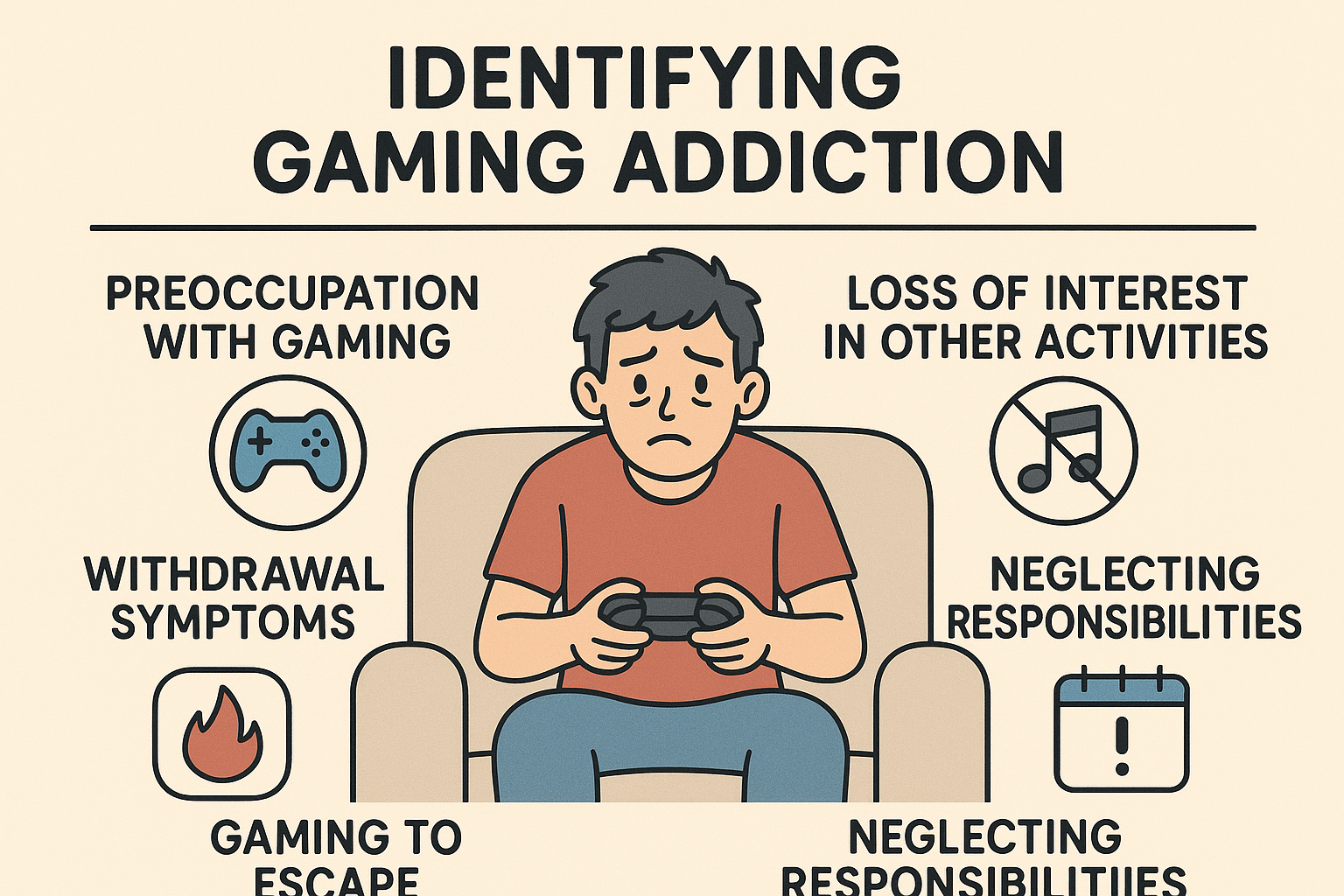
    One of the earliest signs is disruption to ordinary routines. Bedtime moves later and later, meals are eaten at the keyboard, and showers or errands slip. When gaming starts to decide the schedule instead of fitting around it, that change deserves attention. Priorities often shift in small steps, so the people around someone may notice the pattern before the person does.

    Emotional signs matter too. Irritability, restlessness or sadness when gaming is unavailable can suggest that the activity has become a way of managing stress rather than a choice made for enjoyment. Some people use games to escape from anxiety, low mood, boredom or conflict at home. Using a game to avoid hard feelings is very common, but when it becomes the only reliable source of relief, the pattern is harder to change without support.

    Responsibilities often suffer next. Schoolwork slides, job performance drops, bills get paid late, and promises to family are broken. A useful question is whether the person keeps gaming even after these problems have become obvious to them. Continuing despite visible harm is one of the features that separates a heavy habit from a disorder.

    Money can be another warning sign. In-game purchases, loot items, subscriptions and expansion packs add up quickly. Someone who spends more than they can afford, hides purchases, or borrows money to keep up with spending needs a closer look. Financial strain is often one of the first consequences families notice.

    Social withdrawal is common as well. Gaming can be social, especially with online teams, but it can also replace friends, hobbies and family time. A person who used to see people regularly and now avoids invitations, or who spends most free time alone with a screen, may be showing a change worth discussing.

    Physical symptoms can appear over time. Eye strain, headaches, back and neck pain, wrist discomfort and poor sleep are all possible after long sessions. These problems are easy to dismiss. What matters more is whether the person keeps gaming through them, or ignores advice from a doctor or family member to cut back.

    Passion or Problem: Questions to Ask

    A few simple questions can help sort out whether gaming is a hobby or a concern. Can the person stop when they planned to? How do they react when asked to take a break? Has the time spent gaming grown steadily over the past year? Are work, school, sleep, health and relationships holding up? These questions are not a test to pass or fail, but they give a clearer picture than hours alone.

    It also helps to look at the pattern across several months. A busy exam period or a stressful job change can temporarily increase gaming. A sustained shift in how someone lives, with gaming pushing out almost everything else, is different. If you are unsure, a conversation with a doctor, counsellor or addiction specialist can clarify where things stand.

    Treatment and Support Options

    Treatment for gaming addiction usually focuses on the thoughts and habits that keep the pattern going. Cognitive behavioural therapy is one of the most common approaches. It helps people notice triggers, understand the urges that pull them back to the screen, and build other ways to respond to boredom, stress or loneliness. Sessions often also address sleep routines, daily structure and how to recover from a setback without giving up entirely.

    Family involvement often makes a real difference. Parents, partners and siblings can learn how to talk about gaming without constant arguments, how to set limits that are clear and consistent, and how to encourage healthy activities without turning every conversation into a fight. Family therapy can also address conflict that has built up over time.

    Some people also have depression, anxiety, attention difficulties or other conditions alongside a gaming problem. Those conditions need their own assessment and care. Any decision about medication belongs to a physician or psychiatrist who can review the person’s full health history. Nobody should start, stop or change a medication based on advice from a forum or social media post.

    Peer support groups can help people who feel isolated in their struggle. Hearing from others who have cut back and rebuilt their routines can reduce the shame that keeps many people from asking for help. Support works best when it fits into a wider plan that includes clinical care, family understanding and steady follow-up.

    Metamorphosis Centre for Change offers several levels of care, including virtual outpatient care and family support. These options can suit people who need structured help while continuing to work or study. To talk through which level of care fits your situation, visit the contact page or call 705-429-3870.

    Frequently Asked Questions

    Is gaming addiction a real diagnosis?

    Yes. The World Health Organization recognizes gaming disorder as a condition, and clinicians assess it using the criteria in its classification system. A proper evaluation looks at how gaming affects daily functioning over time, not only how many hours someone plays.

    Can someone cut back on gaming without treatment?

    Some people do reduce their gaming on their own, especially when a clear reason appears, such as a new job or a commitment to a family member. If the pattern has continued for months, if attempts to cut back keep failing, or if other areas of life are suffering, professional support is worth considering.

    What if a family member refuses to talk about it?

    Stay calm, choose a time when neither of you is angry or exhausted, and focus on specific concerns rather than labels. Describe what you have noticed and how it affects you. You can also seek support for yourself through a counsellor or family program, since change is often easier when the household is involved. If there is any risk of harm, contact a doctor or emergency services right away.
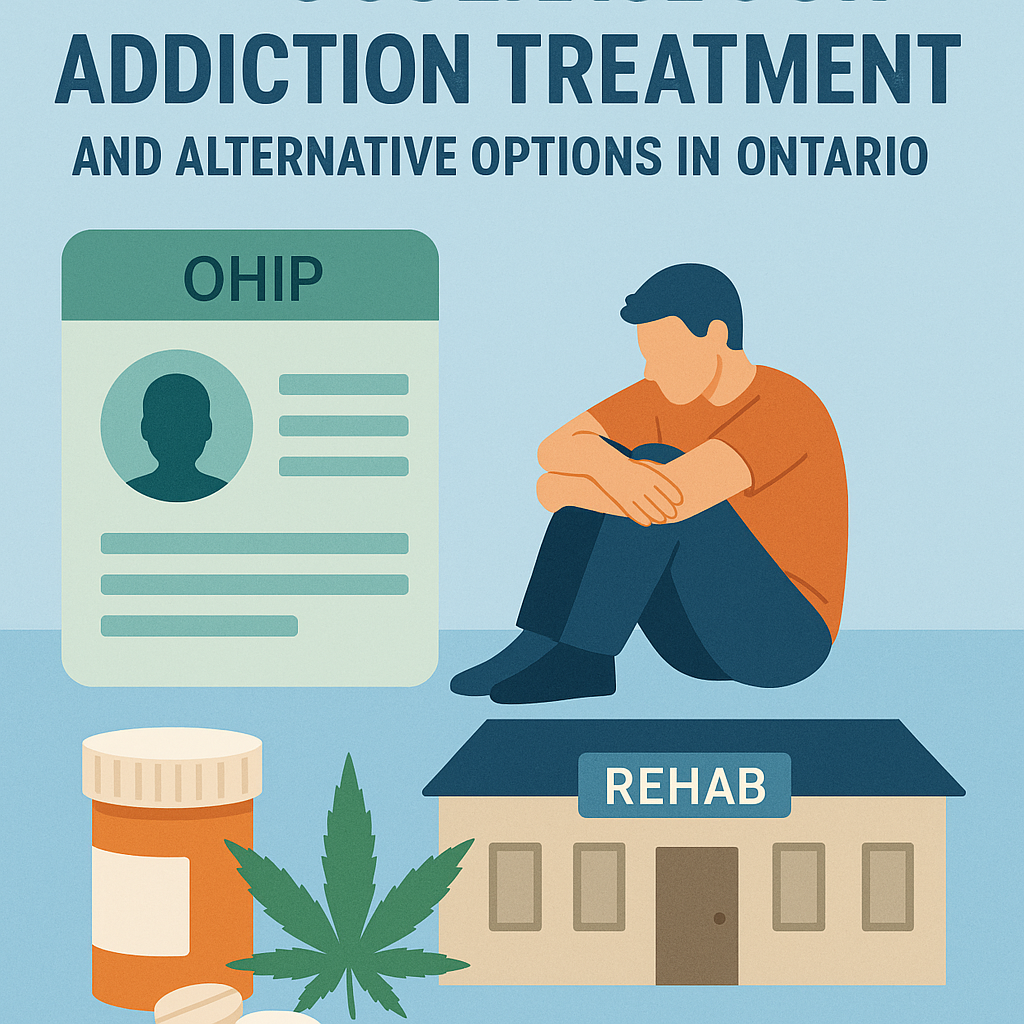
  • OHIP Coverage For Addiction Treatment and Alternative Options in Ontario

    OHIP Coverage For Addiction Treatment and Alternative Options in Ontario

    Many families ask the same question early on: does OHIP pay for addiction treatment in Ontario? The short answer is that OHIP covers some hospital and physician services connected to addiction and mental health, but it does not generally pay for the private residential programs many people have in mind. Coverage depends on the type of service, where it is delivered, and whether a physician has made a referral. This page explains how the system works in practice and which funding routes are worth checking if you need care soon.

    OHIP’s Stance on Addiction Rehab: Not a Blanket Coverage

    OHIP is Ontario’s health insurance plan. It pays for medically necessary hospital care and many physician services, and some of that care relates to substance use and mental health. It does not provide a blanket guarantee for every rehab program. Publicly funded addiction services are often hospital-based or delivered by community agencies, and access usually runs through a referral or an assessment rather than a direct private admission.

    Public options are worth checking first. ConnexOntario offers free, confidential information and referral for people concerned about alcohol, drugs or gambling, at 1-866-531-2600, 24 hours a day. Staff can explain which publicly funded services exist near you and what waits look like when you call. Before you assume a service is covered, ask the program directly what it bills to OHIP and what it expects you to pay.

    Hospital-Based Programs: The Pros and Cons

    Hospital-based programs are often the first stop for people who cannot pay privately. Their main advantage is cost. For someone who needs withdrawal management or a short period of medical stabilization, an OHIP-covered hospital stay can be the most realistic option available.

    The drawbacks are real. Programs differ in how much time they can give each client, and many are short by design. A stay built around medical safety may not include the longer therapy, family work or relapse prevention planning that some people need. Waits can also be long, especially for residential beds, and waiting is hard when you are ready to start now. If you choose a public route, plan the next step before you leave, whether that is outpatient counselling, peer support or a private program.

    Private Rehab Centers: A Quality but Costly Alternative

    Private residential programs usually offer more time with clinicians, a wider range of therapies and quicker access to a bed. Many also plan aftercare in advance, which matters because the weeks after discharge are when many people struggle. The trade-off is cost. Private treatment is generally paid out of pocket or through private insurance, and the price depends on length of stay, level of care and what is included.

    Ask every private centre for an itemized estimate, a list of what the daily rate covers, what is billed separately, and what happens if you need to stay longer. A good provider will answer those questions plainly. For a general look at payment and planning, see our finance page.

    Employer Insurance and Private Insurance: Filling the Gaps

    If you have employer-provided extended health coverage, check it before you assume you must pay the full amount. Some group plans include addiction treatment, sometimes with annual limits, pre-approval requirements or restrictions on which facilities are eligible. Private insurance policies vary just as widely. Read the policy wording, ask whether the program is an approved provider, and get any pre-authorization in writing before admission.

    When you call your insurer, ask four questions: is residential treatment covered, what is the daily or annual limit, does the coverage include detox as well as rehab, and what documents does the provider need from you. Keep notes of who you spoke with and the reference number for each call.

    Community and Government Grants: Lesser-Known Avenues

    Some community organizations and government programs offer grants or subsidies for addiction care. These are often based on financial need, and applications can take time. Eligibility rules change, so confirm current information with the organization directly. Start early, and ask what documents you will need, such as proof of income, identification or a referral letter.

    Some centres also offer payment plans or sliding-scale arrangements. These are not always advertised, so ask. Our finance page is a good place to start if you are planning how to pay.

    Out-of-Province Options: A Controversial Choice

    Some Ontario residents look outside the province for lower-cost treatment. This can make sense for some people, but it has trade-offs. OHIP generally does not cover non-emergency care received in another province, so you may lose any public support that would otherwise apply. Quality is also harder to judge from a distance. Before you travel, confirm the program’s licensing, accreditation and staff credentials, speak with the clinical team, and plan how you will transition home. Distance can also make family involvement and local aftercare harder to sustain.

    Conclusion

    OHIP provides a level of coverage for addiction care through hospital-based and publicly funded services, but it usually falls short of the immediate, longer and more personalized care that many people seek from private programs. Employer and private insurance, community grants and payment plans can close some of the gap. Each option has its own rules and deadlines, so work through them one at a time and keep written records. If you want help sorting out which route fits your situation, contact our team or call 705-429-3870 to talk through your options.

    Frequently asked questions about OHIP coverage for addiction treatment

    Does OHIP cover addiction treatment in Ontario?

    OHIP covers some hospital and physician services related to addiction, but it does not generally pay for private residential rehab. Coverage depends on the service and how it is delivered, so check with the program before admission.

    How do I find publicly funded addiction services?

    ConnexOntario offers free, confidential information and referral at 1-866-531-2600, 24 hours a day. Your family doctor can also make referrals to publicly funded services.

    Does private insurance pay for rehab?

    Some employer and private plans include addiction treatment, often with limits or pre-approval rules. Read your policy and ask your insurer before you book.

    Related reading: Addiction rehab in Toronto.

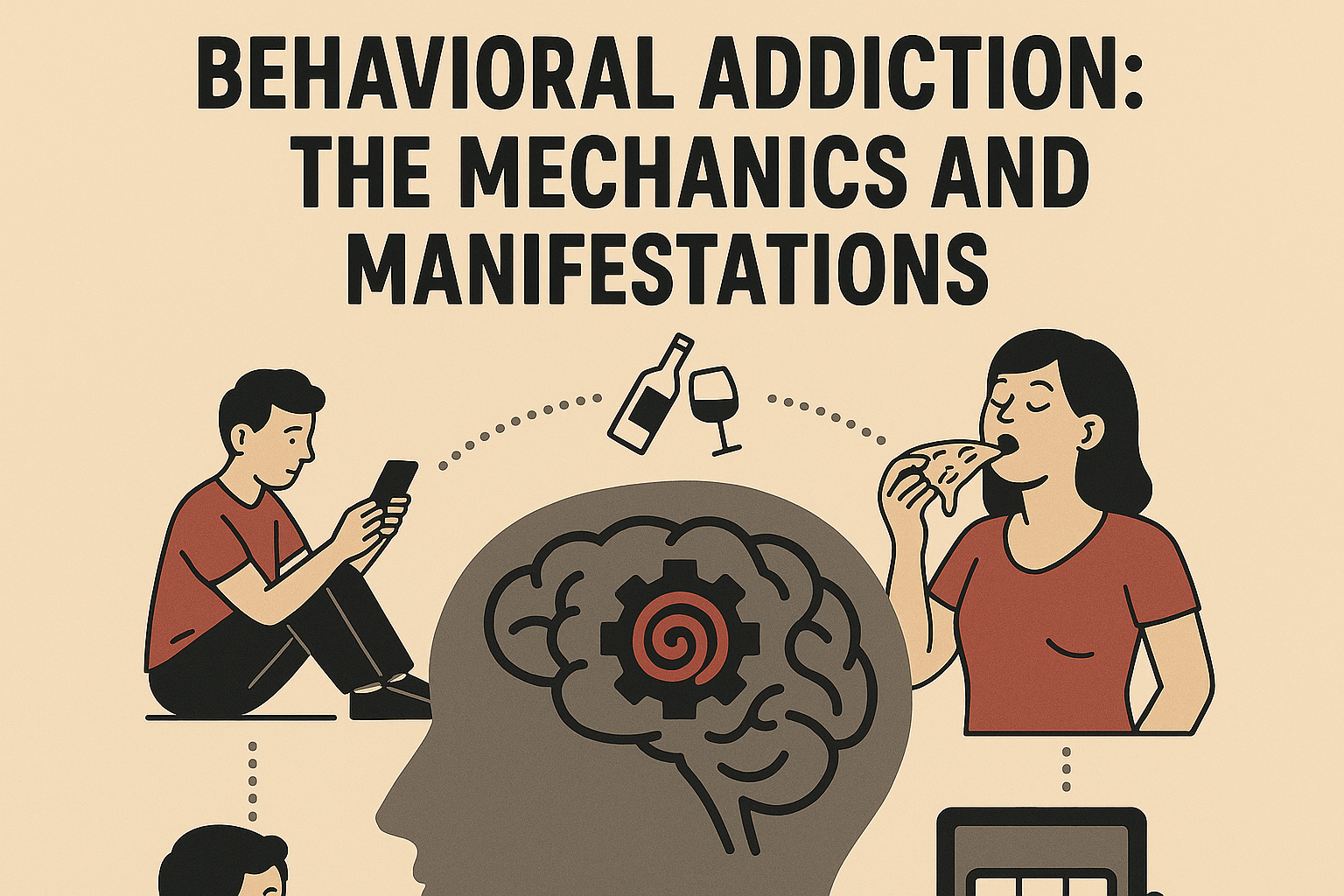
  • Behavioural Addiction: The Mechanics and Manifestations

    Behavioural Addiction: The Mechanics and Manifestations

    When people hear the word addiction, they usually think of alcohol, drugs or tobacco. Behavioral addiction is a different kind of dependency. It involves a repeated behavior, such as gambling, gaming, shopping, eating or exercise, that continues despite clear harm and that becomes hard to control. This page explains how behavioral addiction develops, the brain pathways involved, common forms, the signs families and individuals tend to miss, and the treatment approaches that are used.

    Defining Behavioral Addiction: More than a Habit

    A habit is something you do without much thought. A behavioral addiction is different because the behavior takes up more and more space in a person’s life while it becomes less satisfying. Someone may gamble with money they need for rent, spend hours gaming after they promised to stop, or keep shopping after the bills arrive. The activity usually provides a short lift in mood or relief from stress, and the relief fades quickly, which can push the person to repeat the behavior more often.

    Behavioral addiction does not depend on a chemical substance, but it shares many features with substance dependence. These include loss of control, continued use despite negative consequences, and withdrawal-like discomfort when the behavior is stopped. Irritability, restlessness and low mood are common when someone tries to cut back.

    The Brain’s Reward Circuitry: An Unwitting Accomplice

    The brain’s reward system evolved to encourage behaviors that support survival, such as eating, social connection and rest. Activities that feel rewarding trigger the release of dopamine and other chemical messengers, which teaches the brain to repeat them. Behavioral addiction can take advantage of that same learning process. Unpredictable rewards, such as a win at a slot machine or a notification from a game, can be especially powerful because the brain keeps looking for the next payoff.

    Over time, the brain can start to expect the reward and respond more strongly to cues, such as a phone sound, a betting app or a shopping website. This is one reason why people with behavioral addictions often describe strong urges even when they are not enjoying the activity. The pattern is not a character flaw. It is a learning process that has been pushed too far.

    Common Types of Behavioral Addiction: A Varied Landscape

    Behavioral addiction can take many forms. Gambling is one of the most widely recognized, and it can be fueled by online betting platforms that are available at any hour. Gaming disorder involves continued, escalating play that damages sleep, school, work or relationships. Compulsive shopping, internet use, pornography use, and compulsive eating or exercise are other patterns that clinicians and support groups see regularly.

    Exercise is worth mentioning because it is usually seen as healthy. When training becomes rigid, is used to avoid feelings, or continues through injury and illness, it can cross into a problem. The common thread is not the activity itself. It is the loss of choice and the harm that follows.

    Subtle Signs and Symptoms: Not Always Easy to Spot

    Unlike substance use, behavioral addiction often leaves few physical signs. Families may notice money going missing, unexplained debt, late nights, or a person who seems to be always on a device. The person may also insist they can stop whenever they want. Key indicators include neglecting responsibilities or relationships, repeated unsuccessful attempts to cut back, and a preoccupation with the activity that crowds out almost everything else.

    Emotional signs can be just as telling. Irritability, restlessness and social withdrawal often appear when the behavior is not possible. Shame and secrecy are also common, so the person may hide how much time or money is involved. If you notice several of these patterns together, it is reasonable to raise the concern gently and suggest an assessment.

    Treating Behavioral Addiction: A Holistic Approach

    There is no single medication that treats every behavioral addiction, so treatment usually relies on psychological approaches. Cognitive behavioural therapy is commonly used to identify triggers, examine the thoughts that lead to the behavior, and build alternative coping skills. Motivational approaches can help people decide to change, and relapse prevention planning helps them prepare for high-risk situations. Group support and family involvement can also be valuable.

    When a person also has depression, anxiety, trauma or another mental health condition, those problems need attention too. A prescriber may consider medication for an underlying condition, and any medication decision should be made with a doctor or pharmacist who knows the full history.

    Prevention and Awareness: The First Line of Defense

    Prevention starts with awareness, both in recognizing that behavioral addiction exists and in noticing early signs in oneself or others. Setting limits on time and money, using tools that block or cap gambling or gaming, and keeping regular activities that do not revolve around screens or betting can help. Talking openly about stress and boredom also reduces the chance that the behavior becomes a default coping tool.

    Early help matters because the pattern tends to grow slowly. A conversation with a family doctor, counsellor or addiction specialist can clarify whether the concern is a passing phase or a pattern that needs support.

    Conclusion

    Behavioral addiction extends the idea of addiction beyond chemical substances. It involves a reward system that can be trained toward a repeated behavior, and it can carry psychological, financial and relational costs that are just as serious as those of drug or alcohol dependence. Recognizing the signs early, using evidence-based therapy and addressing any co-occurring mental health concerns give people the best chance of regaining control. If this sounds familiar, you can reach out to our team or call 705-429-3870 to discuss next steps.

    Frequently asked questions about behavioral addiction

    Is behavioral addiction a real addiction?

    Behavioral addiction is recognized by clinicians as a form of addictive disorder when a repeated behavior becomes hard to control and continues despite harm. Gambling disorder is the most established example.

    How is behavioral addiction different from a strong hobby?

    A hobby usually fits into a person’s life and can be set aside. A behavioral addiction keeps growing, causes harm, and is hard to stop even when the person wants to.

    Can behavioral addiction be treated?

    Yes. Psychological treatment, including cognitive behavioural therapy and relapse prevention, is the main approach. Treating any co-occurring mental health condition is an important part of recovery.

    Related reading: Addiction rehab in Toronto.

  • The Complex Landscape of Medical Detox Considerations

    The Complex Landscape of Medical Detox Considerations

    For anyone thinking about a new start away from alcohol or drugs, medical detox often comes up as a first step. It may seem like a simple process of clearing substances from the body, but the details are far more involved. Detox means monitoring a person’s health, managing withdrawal symptoms, and deciding whether medication is appropriate. The right approach depends on what has been used, for how long, and what other health concerns are present. This article walks through the main considerations that individuals and families usually weigh when deciding whether and how to pursue medical detox.

    What Medical Detox Involves

    Medical detoxification is usually the first phase of addiction treatment. It is a medically supervised process in which clinicians watch over a person while the body adjusts to the absence of a substance and respond to withdrawal symptoms as they appear. The goal is to reduce physical risk and prepare the person for the next stage of care. Detox on its own does not address the thoughts, habits and circumstances that drive addiction, which is why clinicians treat it as one part of a longer plan.

    Supervision matters because withdrawal can become dangerous. Some substances, including alcohol and benzodiazepines, can cause serious complications when they are stopped abruptly, and the risk differs from one person to another. Stopping heavy use alone at home without a plan is not safe for everyone. A medical assessment can help determine whether home support, outpatient care or a supervised residential setting is the right fit. Our medical detox program page describes how that process is structured.

    Most supervised programs begin with an intake assessment. Staff gather a history of substance use, previous withdrawal experiences, medical conditions, current medications and mental health. They may also ask about recent overdoses or periods of abstinence, since changes in tolerance can affect risk. This information shapes the plan and helps the care team decide how closely the person needs to be watched during the first days.

    Withdrawal Symptoms and Medication

    Withdrawal symptoms are far from uniform. They can range from irritability, sweating, shakiness and sleep problems to more serious complications such as hallucinations or seizures. The type of substance, how long and how much it was used, the person’s general health, and any previous withdrawal experiences all influence what someone may face. Because of that variation, medical detox usually involves an individual plan rather than one standard routine.

    During detox, clinicians often monitor heart rate, blood pressure, hydration, sleep and mood, and they adjust care when symptoms change. Some programs use standardized rating tools to track severity over time, which gives the team a consistent way to judge whether symptoms are improving or getting worse. Families can help by reporting new or worsening symptoms to staff promptly rather than waiting for the next scheduled check.

    Medication can play an important role, but it is not a simple answer. For opioid withdrawal, clinicians may use medications such as methadone or buprenorphine to reduce discomfort and cravings under supervision. These medications can make a hard process more manageable, yet they also carry risks and require careful decisions about who should take them and how long treatment should continue. Some people worry that medication simply swaps one dependence for another. That concern is worth raising openly with a physician, who can explain the goals and the plan for tapering or ongoing care.

    No one should adjust, start or stop a medication during detox based on advice from friends or online sources. Questions about dosing, timing and drug interactions belong with a doctor or pharmacist who knows the person’s full medication list and medical history.

    Co-Occurring Conditions and Choosing a Setting

    Depression, anxiety, trauma-related conditions and other mental health concerns often occur alongside substance use. These conditions can make withdrawal harder to tolerate and raise the risk of relapse if they go unaddressed. Careful detox planning usually includes a mental health assessment, so that symptoms are not mistaken for withdrawal and are not left untreated once the physical process settles. Care teams that include physicians, nurses, counsellors and psychiatrists are often well placed to address these overlapping needs.

    Families and friends can also help plan for safety. This may include knowing the warning signs of a mental health crisis, keeping emergency numbers somewhere easy to find, and agreeing with the person on what support will look like at home. A written safety plan, shared with the treatment team, can make the transition between settings smoother.

    Detox can take place in different settings. Inpatient or residential detox provides round-the-clock medical supervision in a controlled environment, which can matter a great deal for severe withdrawal or significant medical or psychiatric concerns. It does require stepping away from work, school and home for a period. Outpatient detox offers more flexibility and allows people to stay at home, but it usually includes less constant monitoring. Outpatient care may suit some people with milder withdrawal and a stable home environment, and may be unsafe for others. The right setting depends on clinical assessment, not only on personal preference. You can read about our residential treatment option as well.

    Cost, Access and What Comes Next

    Cost and access are real concerns. Detox services can be expensive, insurance plans differ in what they cover, and specialized programs may be limited by location or waiting lists. Asking clear questions early can prevent surprises. It helps to ask what the program fee includes, whether medication and physician visits are billed separately, and what alternatives exist if the first choice is not available. Our finance page is a good place to begin that conversation.

    It can also help to ask how long the program usually runs, what happens if withdrawal lasts longer than expected, and how transfers to other levels of care are handled. A clear written explanation of costs and services is a reasonable request before any admission.

    Detox alone rarely ends addiction. People who complete detox generally benefit from behavioural therapy, medication management where appropriate, peer support and a structured aftercare plan. Without a plan for what comes next, the period after detox can be fragile. Planning for therapy, housing, work, family and support groups before discharge gives people a better chance of staying on track. Relapse during or after detox does not mean the process has failed. It often signals that the plan needs adjusting, such as adding therapy, changing medication or increasing support. Returning to the care team quickly is usually better than waiting until the situation becomes an emergency. The aftercare program page outlines the kinds of ongoing support that can follow treatment.

    Frequently Asked Questions

    Is medical detox always necessary?

    Not always, but a medical assessment is the safest way to find out. Some people with lighter use and few risk factors can stop with support at home, while others need supervision. The answer depends on what has been used, how much, how long, and the person’s overall health. If you are unsure, a physician can help you decide.

    How long does medical detox last?

    The length varies with the substance, the severity of use and how the body responds. Clinicians set expectations for each person rather than offering one timeline for everyone. Ask the care team what to expect in your situation.

    What should I do during a withdrawal emergency?

    Call 911 or your local emergency number for seizures, chest pain, trouble breathing, severe confusion, hallucinations, or if someone cannot be woken. Do not wait to see whether the symptoms pass. Medical supervision matters most in these moments, and emergency care should come first. For questions about admission and the options available, you can also reach our team or call 705-429-3870.

  • Addiction Treatment Approaches for Military and First Responders

    Military service and first response work demand a great deal from the people who do them. Long shifts, exposure to danger, and repeated loss can build up over years, and many of these professionals are trained to keep going no matter what. That mindset can hide early signs of addiction or make it harder to ask for help. This article looks at what addiction treatment can involve for military members, veterans, paramedics, firefighters, police officers and other first responders, and how to find a program that understands the pressures of these careers.

    Why These Careers Create Specific Risks

    Service members and first responders are often exposed to events that most people never face, including violence, serious injury and death. Over time, that exposure can affect sleep, mood, relationships and the way a person copes with stress. Some turn to alcohol or drugs to switch off after a difficult call or deployment. Others begin using prescription pain medication after a physical injury and then find it hard to stop. Shift work, irregular sleep and the expectation of toughness can all make the pattern harder to notice from the inside.

    Warning signs often look different in these roles. A firefighter who stops sleeping well, a paramedic who pulls away from crew members, or a service member who drinks alone after every shift may each be dealing with a problem that others see as ordinary stress. Friends, supervisors and family members are often the first to notice changes, and they can start a conversation without judgment by describing what they have seen and asking how the person is doing.

    Culture matters too. Many people in these fields worry that asking for help will be seen as weakness, that it could affect their career, or that colleagues will treat them differently. Those fears can keep someone using long after they know something is wrong. Treatment that acknowledges these concerns, and that explains clearly how information is handled, can make the first step feel more possible.

    Trauma-Informed and Co-Occurring Care

    Post-traumatic stress disorder and addiction often occur together in military members and first responders. Trauma can drive substance use as a way to manage nightmares, hypervigilance, guilt or emotional numbness, and substance use can in turn make trauma symptoms worse. Trauma-informed care starts from the idea that the question is not only “what is wrong with this person” but also “what happened to them, and how is it still affecting them.” Treating only the addiction while ignoring trauma usually leaves an important part of the problem untouched.

    Clinicians often use therapies such as cognitive behavioural therapy (CBT) and eye movement desensitization and reprocessing (EMDR) to address trauma and addiction at the same time. The right mix depends on the person, their history and what their treatment team recommends. Assessment should look at trauma history, sleep, mood, substance use and physical health together, because a clinician who considers only one of these areas may miss how they reinforce each other. A good program will explain its approach, outline how it plans to address both conditions, and adjust the plan as the person’s needs change.

    Peer Support and Family Involvement

    Peer support can be especially valuable for people who have served or worked in high-stress roles. Being in a group with others who understand the work, the pressure and the culture can reduce isolation. People often speak more openly when they do not have to explain every reference or fear being judged by someone who has never worked a shift like theirs. Peer groups are most helpful when they sit alongside clinical care rather than replacing it.

    Family members are affected as well. Spouses, partners and children can carry the stress of deployments, shift schedules and sudden changes in behaviour. Addiction often adds fear, anger and confusion to that load. Family programs can help loved ones understand addiction, learn ways to communicate without constant conflict, and build a support system that lasts beyond formal treatment. Our family support program is one place to start that conversation.

    Privacy, Confidentiality and Whole-Person Care

    Confidentiality is a serious concern for many people in these fields. Professional licensing, security clearances, employer policies and public visibility can all make a person hesitant to seek treatment. Before enrolling in any program, it is reasonable to ask how records are stored, who receives information, what consent is required, and what would be shared with an employer or other organization. Clear answers to those questions can help people decide with less fear.

    Whole-person care also matters. Physical health, sleep, nutrition, exercise and mindfulness practices often support recovery, particularly for people whose work depends on physical fitness and sharp judgment. These supports work best as part of a clinical plan, not as a replacement for medical or psychological treatment. Anyone with a serious injury or chronic pain should involve their physician in decisions about pain medication and recovery, so that treatment for the injury and treatment for addiction are coordinated.

    Aftercare and Returning to Work

    Completing treatment is an important milestone, but recovery continues after discharge. Aftercare often includes ongoing therapy, peer support, check-ins with a clinician, and help with daily routines. For some people, career counselling is part of the plan, especially when a return to a demanding role is being considered. Decisions about returning to duty or to a safety-sensitive job usually involve medical clearance and an honest assessment of readiness, and they should be made with the care team rather than under pressure from others.

    Anyone in the middle of a crisis should contact emergency services right away. For those who want to explore treatment options, the residential treatment and aftercare pages describe how care is structured. You can also reach our team through the contact page or call 705-429-3870.

    Family members and peers can also play a role after treatment. Regular check-ins, shared routines and honest conversations about stress can help a person notice early warning signs before they become a crisis. Some people find it useful to agree in advance on what a difficult day looks like and who they will call when one arrives. That kind of plan is easier to build during treatment than in the middle of a crisis.

    When comparing programs, it is reasonable to ask about staff training in trauma, whether clinicians have experience with first responders and military families, how peer groups are run, and how the program keeps in touch after discharge. The answers can show whether a program is likely to understand the setting you or your loved one works in.

    Frequently Asked Questions

    Do military members and first responders need a different kind of treatment?

    The core treatments for addiction apply to everyone, but the context matters. A program that understands trauma, occupational stress and the culture of these careers can tailor therapy, peer support and family work to fit the person’s life. Ask any program how it approaches these issues before you enrol.

    Will seeking treatment affect my career?

    This depends on the profession, the employer and the rules that apply to the role. Many people worry about this and need accurate information before deciding. Ask the treatment team how records are handled, and speak with a legal or occupational advisor if you have specific concerns about licensing or clearance.

    What if I am not sure I have a problem?

    You do not need to be certain before asking for an assessment. A clinician can review your drinking or drug use, your sleep, your mood and your work and family life, and help you understand what is happening. Early conversations are often the easiest time to make changes.

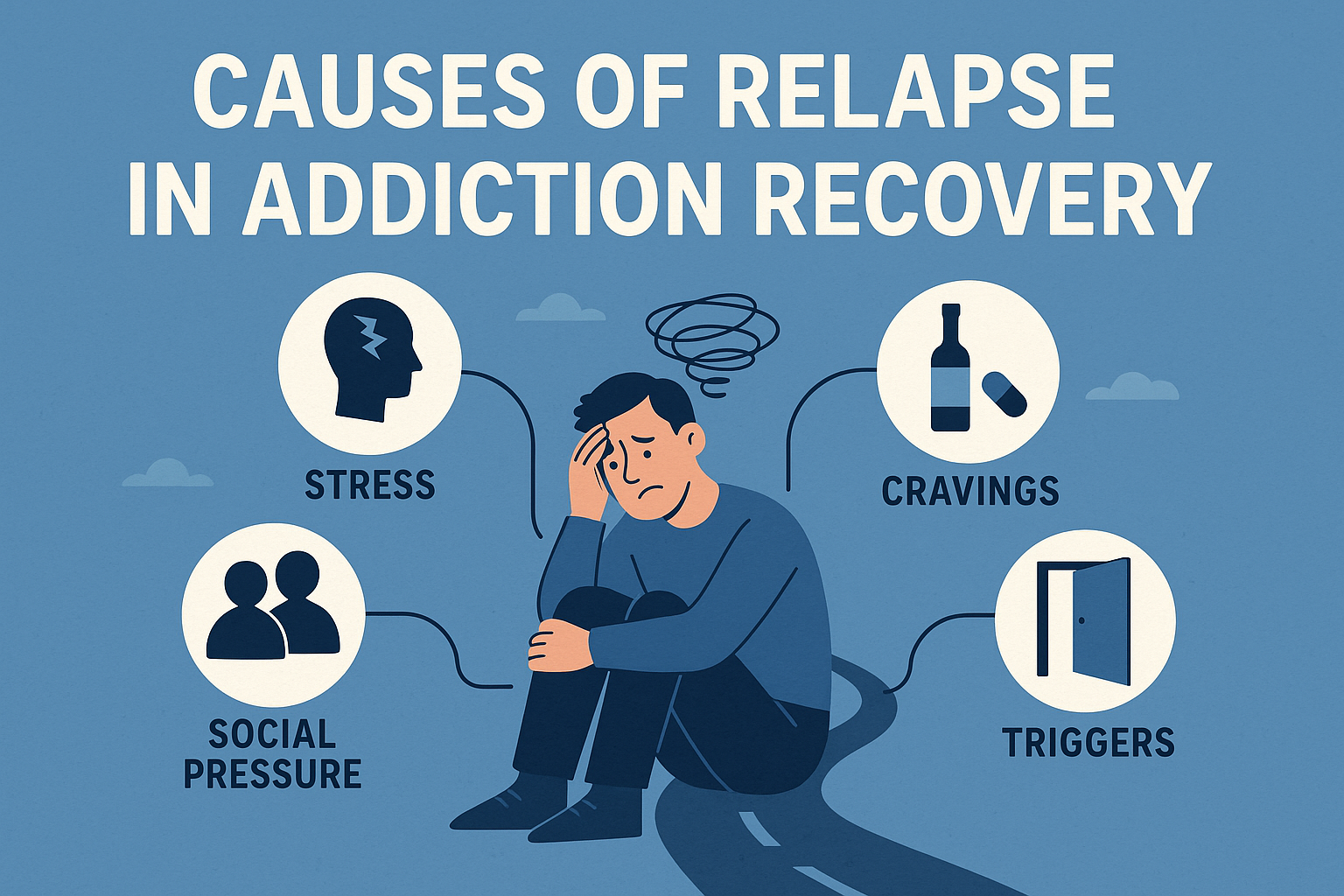
  • Causes of Relapse in Addiction Recovery

    Causes of Relapse in Addiction Recovery

    Recovery from addiction is rarely a straight line. Many people who work hard at it experience setbacks, and some return to substance use after a period of stability. A relapse does not erase progress, and it does not prove that treatment failed. It does point to triggers that deserve attention. This article describes the most common causes of relapse, explains why they matter, and suggests practical ways to plan for them. Understanding these patterns can help people and their families respond early, before a slip grows into a longer return to use.

    Stress and Emotional Triggers

    Stress is one of the most common triggers. Pressure from work, relationships, money or health problems can make relief seem urgent, and for someone with a history of substance use, the familiar habit may come to mind first. Stress is a normal part of life, so the goal is not to eliminate it. The goal is to build healthier ways to recover from it, such as regular exercise, sleep, time outdoors, or talking with someone trusted.

    Emotional states can be just as powerful. Strong positive feelings, such as celebrating a milestone or a wedding, can create a sense that a single drink or dose is harmless. Painful feelings, such as grief, loneliness or shame, can make the urge to escape feel overwhelming. Both extremes can unsettle the balance that recovery depends on. Noticing mood shifts early and talking them through with a counsellor or peer group can give someone time to respond before a choice is made.

    Some people also carry unresolved mental health concerns into recovery. Depression, anxiety and trauma symptoms can increase cravings or make everyday stress harder to manage. When these conditions are present, they deserve their own assessment and treatment rather than being left to fade on their own.

    Sleep deserves special mention. Poor sleep increases irritability and makes stress feel heavier, and many people in early recovery have sleep disruption. Talking with a doctor about sleep problems, rather than trying to manage them with substances, is a practical step.

    Social Settings and Old Routines

    The people and places around someone in recovery matter a great deal. Peer pressure, social gatherings where substance use is normal, and contact with people who still use can all make cravings stronger. Routines can be a trigger too. Driving past a familiar bar, returning to a neighbourhood where use was frequent, or keeping old habits tied to a particular time of day may bring back old patterns with little warning.

    Recovery often involves changing these environments, at least for a while. That may mean limiting contact with people who encourage use, choosing new places to spend time, or setting firm boundaries at events where alcohol or drugs are present. It is reasonable to plan an exit strategy before attending any gathering, including a trusted person to call and a clear reason to leave.

    Supportive relationships are equally important. Friends, family members and peers who understand recovery can offer encouragement without pressure. Some people find that rebuilding these connections takes time, and that is normal. Peer support groups can be a useful starting point when close relationships are still fragile.

    Coping Skills, Overconfidence and Complacency

    Many people in recovery have not yet built the coping skills needed for the emotional and practical demands of everyday life. Without those skills, old habits can seem like the only way to manage a hard day. Learning to name feelings, ask for help, tolerate discomfort and solve problems step by step takes practice. Therapy, group work and structured routines are often where these skills develop.

    Overconfidence is a less obvious risk. Milestones can bring real pride, but they can also produce thoughts such as one drink will not hurt or I have it under control now. These beliefs can lower a person’s guard and lead to decisions made without planning. A healthy balance involves respecting the progress already made while staying alert to the possibility of a slip.

    Complacency can build quietly when life feels settled. Missed meetings, skipped check-ins and shrinking support networks often come before a relapse. Noticing these small changes early, and reaching out when they appear, is one of the most practical protections available.

    Aftercare and Ongoing Support

    Completing an initial treatment program is an important achievement, but it is not the end of recovery. Continuing to engage with aftercare services such as counselling, support groups and check-ins with a clinician is critical. Disengagement from these structures can increase vulnerability, especially in the months after discharge, when routines are changing and support may feel less visible.

    Aftercare plans work best when they are specific. A plan might name the therapist or group a person will attend, the days and times of appointments, the people they will contact during a craving, and what they will do if they miss a session. Reviewing the plan regularly and updating it as life changes helps keep it useful. Our aftercare program page describes the kinds of ongoing support that can follow treatment.

    Relapse prevention work is often most effective when it is practiced before it is needed. Rehearsing responses to likely triggers, such as a stressful phone call or an invitation to a party, can make real situations less overwhelming.

    Recovery also includes learning from a relapse without shame. Shame tends to push people away from help and toward isolation, which is exactly the environment where triggers grow stronger. A calm review of what happened, what came before it, and what would help next time is far more useful than a verdict on character. Many clinicians treat each relapse as information for updating the plan.

    Planning Ahead for High-Risk Moments

    A personal relapse prevention plan can help people respond to high-risk moments with less guesswork. Useful elements include a list of personal triggers, early warning signs such as sleep changes or isolation, a set of coping steps to try first, and the names and numbers of people to call. The plan should also say what to do if use happens. A slip does not have to become a full return to use, and reaching out quickly is usually better than hiding it.

    If a person uses a substance after a period of abstinence, the risk of overdose can be higher than it was before, because tolerance may have dropped. Anyone who has used, and especially anyone who may have taken a stronger or unknown substance, should seek medical help. For a medical emergency, call 911 or your local emergency number immediately.

    Families can help by learning these warning signs, avoiding blame, and encouraging the person to return to their care team. Calm, specific conversations tend to work better than accusations. If you are looking for support on the next steps, you can reach out to our team or call 705-429-3870.

    Frequently Asked Questions

    Does relapse mean treatment did not work?

    No. Relapse is a common part of many people’s recovery, and it often provides useful information about triggers and gaps in the plan. What matters most is how quickly the person reconnects with support and adjusts their approach.

    What is the difference between a slip and a relapse?

    A slip is a single use or a brief lapse, while relapse usually means a return to regular use over a period of time. The distinction matters because a slip can be addressed quickly before it grows. Both deserve an honest discussion with a clinician or support group.

    How can I tell if someone I love is at risk of relapse?

    Watch for changes such as withdrawing from support, skipping meetings, sleeping poorly, sudden secrecy, money problems or new contact with people linked to past use. Ask direct, caring questions and offer to help them contact their care team. If you believe they are in danger, call 911 or your local emergency number.

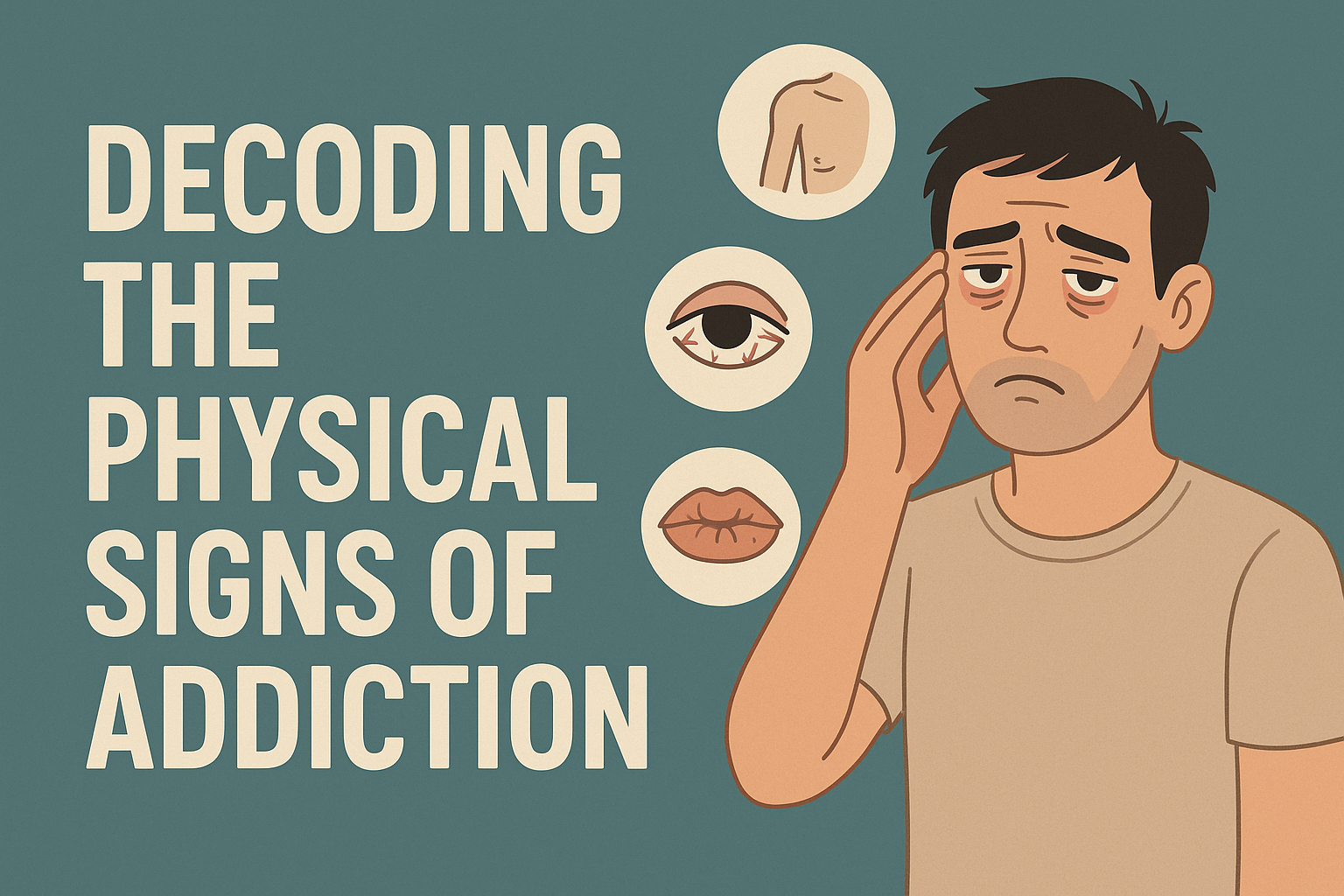
  • Decoding the Physical Signs of Addiction

    Decoding the Physical Signs of Addiction

    Addiction often starts out hidden, shaped by private habits and private thoughts. As substance use continues, though, the body can begin to show signs that other people may notice. Those physical changes are not proof of addiction on their own, because many health conditions, medications and life stresses can cause similar symptoms. Still, they can be useful early clues, especially when they appear together or change over time. This article explains the physical signs most often linked with substance use, why they matter, and what to do if you notice them.

    Why Physical Signs Matter

    The body responds to substances in ways that are often visible long before someone admits to a problem. Some changes come from a drug’s direct effects, such as altered pupil size or changes in appetite. Others develop more slowly, as repeated use strains the heart, liver, digestive system and skin. Because these signs can look like ordinary illness or fatigue, they are easy to dismiss, which is one reason they are often missed in the early stages.

    Physical signs are most useful when they are considered alongside behaviour, mood, work or school performance and relationships. A single symptom rarely tells the full story. A pattern of changes over several weeks or months, especially when it is new and unexplained, is a better reason to talk with a doctor or treatment provider.

    Eyes, Skin and Appearance

    Substance use often leads to visible changes in the eyes. Constricted pupils are commonly associated with opioid use, while red, bloodshot eyes are often seen with cannabis and alcohol. Eyes can also look glassy or heavy-lidded after use. Any single observation can have many explanations, so it helps to notice whether the change keeps appearing.

    The skin can also reflect substance use. Injection drug use can leave track marks, bruising, scarring or infections at injection sites, and these need prompt medical attention. Heavy alcohol use can cause a flushed face, broken capillaries around the nose and cheeks, and changes in skin tone. Some people also develop persistent itching or rashes, which a doctor should evaluate.

    A general decline in personal care is one of the more visible signs. Neglected hygiene, unkempt hair, worn or unwashed clothing and a lack of attention to grooming can appear gradually. These changes can also result from depression, grief or illness, which is why they are best viewed as part of a broader picture rather than a standalone verdict.

    Weight, Sleep and Digestion

    Significant weight changes over a short period deserve attention. Stimulants such as cocaine and methamphetamine often suppress appetite, which can lead to rapid weight loss. Alcohol is calorie dense and can contribute to weight gain, and it can also affect nutrition by replacing meals. Weight changes can also reflect thyroid problems, infections, cancer, depression or other conditions, so a medical evaluation is important.

    Sleep changes are common. Stimulants can cause long periods of wakefulness, while alcohol, sedatives and some opioids can lead to excessive sleep or a broken sleep cycle. Waking frequently at night, relying on sleep aids, or feeling exhausted despite long hours in bed can all point to a sleep problem that may be connected to substance use.

    The digestive system can be affected too. Alcohol and opioids can cause constipation, diarrhea, nausea and stomach pain. Heavy alcohol use can contribute to serious conditions such as liver disease and gastrointestinal bleeding. Black stools, vomiting blood, yellowing of the skin or eyes, or severe abdominal pain need urgent medical care.

    Coordination, Withdrawal and Safety

    Impaired motor skills can show up as unsteady hands, clumsiness, slurred speech, slowed reactions or difficulty with tasks that require fine movement, such as writing or handling small objects. These symptoms are often dismissed as fatigue, stress or nerves. They can also appear during intoxication, and they can be dangerous when a person drives, works with machinery or cares for children.

    Tremors, sweating and restlessness can also be signs of withdrawal, particularly from alcohol, benzodiazepines or opioids. Withdrawal can become medically serious, and the safest way to manage it is with clinical supervision. Anyone who has been using heavily and is considering stopping should speak with a physician first rather than attempting to stop alone.

    Keeping a simple record can make a difference. Noting what you have observed, when it happened, and whether it is getting better or worse gives a clinician a clearer timeline than memory alone. Stick to observable facts, such as a change in weight, a sleep pattern or a new injury, rather than guesses about the cause. Bring those notes to the appointment, along with a list of all medications, supplements and substances that are being used.

    Physical signs can also show up in people who are not using substances at all, including people managing chronic illness, mental health conditions or the side effects of prescribed medication. That is why the goal is not to reach a label but to understand what is happening and get the right care. A thorough medical assessment can clarify whether substance use is part of the picture and what needs to happen next.

    Getting Help and Next Steps

    If you notice several of these signs in someone you care about, or in yourself, start with a conversation and a medical check-up. A doctor can look for physical causes, ask about substance use without judgment, and order any tests that are needed. Being honest about what has been used, how much, and how often gives the care team the information it needs to keep the person safe.

    Some signs call for immediate help. Seizures, chest pain, trouble breathing, extreme confusion, unresponsiveness, vomiting blood, or a suspected overdose require emergency care. Call 911 or your local emergency number right away. Do not wait to see whether the symptoms pass.

    Once the physical picture is clearer, treatment can address both the body and the patterns that drive use. Our medical detox program describes how supervised withdrawal is managed, and the alcohol addiction and cocaine addiction pages offer more information about specific substances. To discuss what might fit, contact our team through the contact page or call 705-429-3870.

    When a doctor evaluates these concerns, the process usually includes a medical history, a physical examination and, where needed, blood tests. Some tests can show signs of liver strain, anemia or infection, which helps guide care. Drug testing is generally done with a person’s knowledge and consent, and results are interpreted by clinicians who understand the limits of each test. Being open with the care team tends to lead to more accurate results and more useful advice.

    Frequently Asked Questions

    Can physical signs confirm addiction on their own?

    No. Physical changes can have many causes, including illness, medication side effects, aging and stress. They are best used as prompts to speak with a doctor, who can consider the full picture, including behaviour, health history and test results where needed.

    Should I confront someone about the physical changes I see?

    It is usually more helpful to describe what you have noticed in a calm, specific way than to make accusations. Choose a private moment, focus on your concern for them, and avoid trying to diagnose. Encourage a medical check-up and offer to help them find support.

    Is it safe to stop using a substance suddenly?

    Not always. Withdrawal from alcohol, benzodiazepines and opioids can be dangerous for some people, and the risks depend on the substance, how much and how long it was used, and individual health. Speak with a physician or pharmacist before stopping, and seek emergency help for seizures, confusion or other serious symptoms.

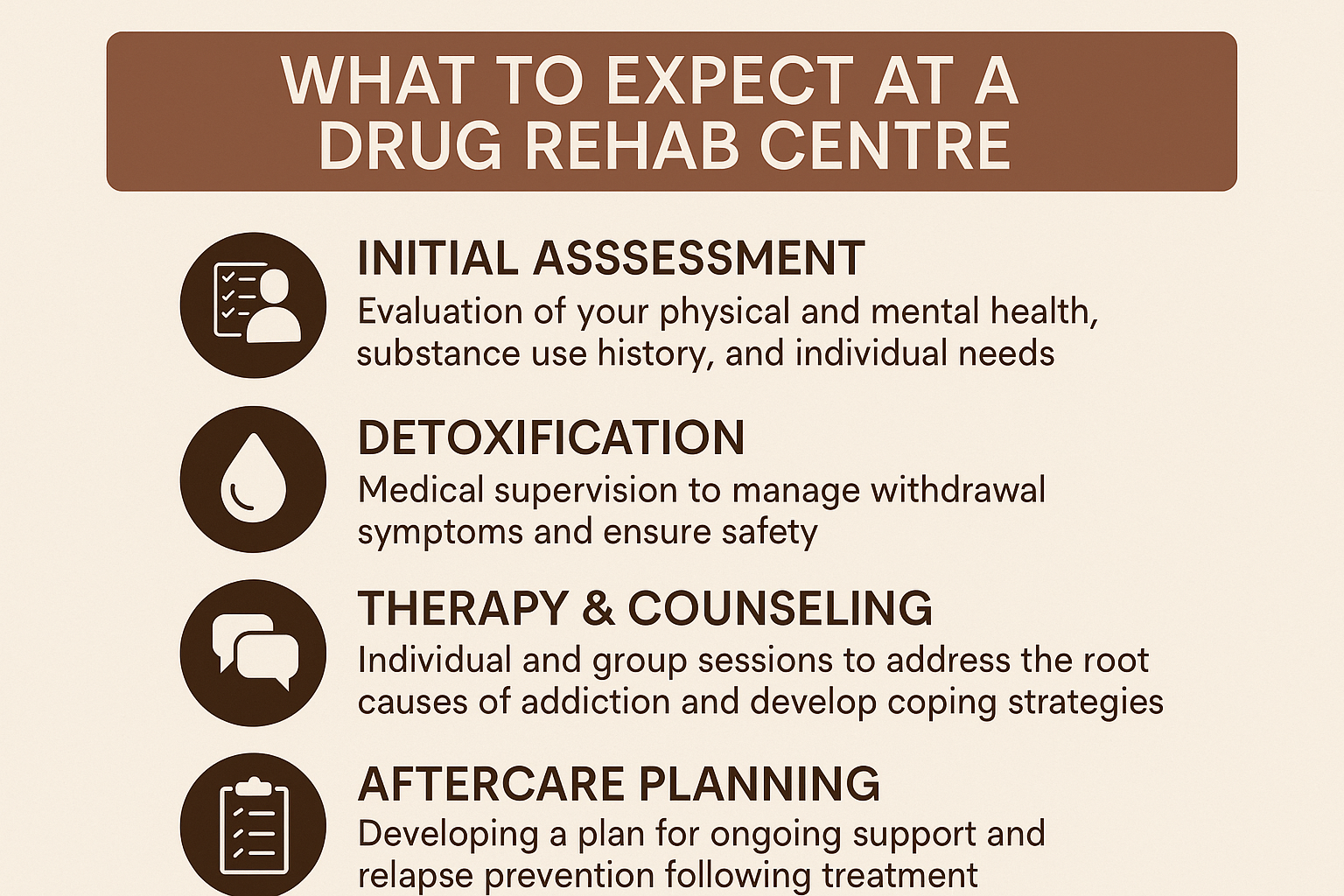
  • What to Expect During a Stay at an Addiction Treatment Centre

    What to Expect During a Stay at an Addiction Treatment Centre

    Walking into an addiction treatment centre for the first time can feel intimidating. Many people worry about being judged, about what the process will involve, or about leaving familiar surroundings for something new. Knowing what usually happens can make that first step easier. This article describes the typical stages of a residential stay, from intake and assessment through daily routines, therapy, family involvement and discharge planning. Every centre runs its own program, so the details will vary, but the general shape is similar across most reputable settings.

    Intake and Assessment

    Most stays begin with intake. On arrival, staff usually review the person’s history of substance use, previous treatment, medical conditions, current medications, mental health and family situation. They may also ask about recent use and any withdrawal symptoms. This assessment helps the team understand the nature and extent of the addiction and whether other conditions need attention. It is also the point where safety concerns are identified, so being honest at this stage makes the rest of the plan more accurate.

    Intake also includes paperwork. This typically covers consent forms, privacy information, program rules and a clear outline of expectations. The administrative side can feel overwhelming, but it protects both the person and the program, and it sets out what the stay will involve. It is reasonable to ask questions about anything that is unclear before signing. Many centres also provide a list of what to bring and what is not allowed, which can help reduce stress on arrival. Our what to bring page gives a general overview of items to think about before a stay.

    If withdrawal is a concern, the intake team may recommend medical detox before the rest of the program begins. Detox and residential treatment are different stages, and the right sequence depends on the person’s needs. Our medical detox program explains how that phase is managed.

    The first days are often the hardest. Sleep may be disrupted, cravings can be strong, and it can take time to adjust to a new environment and new people. Staff generally expect this and check in regularly to see how someone is coping. Telling a staff member about physical discomfort, low mood or sudden thoughts of self-harm is important, and those concerns are taken seriously. Medical emergencies are handled by medical staff and, when needed, by emergency services.

    A Structured Daily Routine

    One of the hallmarks of residential treatment is structure. Days often include a mix of individual therapy, group sessions, education about addiction, recreation, meals and rest. Structure reduces the amount of unplanned time that can lead to cravings or old habits. It also gives people a chance to rebuild a sense of rhythm after a period of disorder in sleep, eating and daily responsibilities.

    Medication, where it is part of the plan, is usually given according to a physician’s orders and reviewed regularly. Staff track these schedules carefully so that doses are given correctly and changes are documented. Any questions about medication should go to the medical team rather than being decided informally between residents or family members.

    Structure also teaches practical skills. Keeping to a schedule, following house rules, contributing to shared spaces and communicating with staff and peers can all be part of learning to live with responsibility again. Many people find that these routines feel unfamiliar at first and become easier over time.

    Recreation and wellness activities are often included as well. Physical activity, creative expression and time outdoors, where the setting allows, can give people healthier ways to spend their time and manage stress. These activities complement clinical care rather than replacing it.

    Therapy, Groups and Family Involvement

    Treatment centres use a range of therapeutic approaches. Cognitive behavioural therapy (CBT) helps people identify the thoughts and situations that lead to use and practise different responses. Dialectical behaviour therapy (DBT) focuses on managing intense emotions, tolerating distress and improving relationships. Other programs may use motivational interviewing, trauma-focused work, or holistic activities such as art, music or physical exercise. The right combination depends on the individual, and a good team will explain its reasoning.

    Group therapy is often central. In group sessions, people share experiences, practise communication and offer each other support that may be hard to find elsewhere. Hearing others describe similar struggles can reduce isolation and shame. Groups also require respect, confidentiality and a willingness to take part, and staff usually help set those expectations.

    Individual sessions give space for more personal work, such as examining past experiences, addressing mental health concerns or planning for specific challenges. Progress is usually reviewed with the clinical team, and the plan is adjusted as needs change.

    Family involvement is another common element. Addiction affects loved ones as well, and many centres offer family sessions to share information, repair relationships and build support skills. Families can learn about addiction, how to set boundaries and how to respond to a relapse without blame. More information is available on our family support page.

    Measuring progress is part of the process too. Rather than relying only on how a person feels on a given day, teams often look at participation, sleep, mood, relationships and goals over time. Milestones are celebrated, and setbacks are discussed openly as information for the next step. Some people find it helpful to keep personal progress notes to bring into sessions.

    Aftercare Planning and Discharge

    Before discharge, a comprehensive aftercare plan is usually developed. It may include outpatient therapy appointments, support group meetings, follow-up with a physician, and arrangements for housing, work or school. Some centres also offer alumni services, such as check-ins and community events that help people stay connected after treatment.

    Good discharge planning starts early. Clinicians and the person work together to identify triggers, set realistic goals, and name people who will provide support. A plan that is written down and shared with the person’s family, with their consent, is easier to follow when stress returns.

    The transition home can be challenging. Daily life, old relationships and responsibilities can all test recovery. Staying in contact with the aftercare team, attending scheduled appointments and reaching out early when difficulties arise are among the most protective steps. Information about ongoing support is outlined on our aftercare page, and the residential treatment page describes the structure of a stay.

    Before choosing a centre, it helps to ask how intake works, who will be on the care team, what a typical week includes, how families are involved, and how aftercare is arranged. Clear answers are a reasonable expectation. A program that welcomes these questions is often one that stays transparent during treatment as well, and you should feel free to ask them by phone or in person.

    Frequently Asked Questions

    How long does a stay at a treatment centre last?

    Length of stay depends on clinical need, the type of program, and the person’s progress and goals. Clinicians set expectations during intake and review them over time. Ask the admissions team what is typical for the program you are considering.

    Can I have contact with family during treatment?

    Many programs allow some form of contact, often with rules about timing, phone use and visits. Policies differ, so ask the centre how communication works. Family sessions may also be part of the plan.

    What should I do if I am nervous about going?

    Nervousness is common and does not mean the decision is wrong. Write down your questions, ask the team what to expect, and consider talking with a trusted person before you arrive. If you want to learn more, you can contact us or call 705-429-3870.

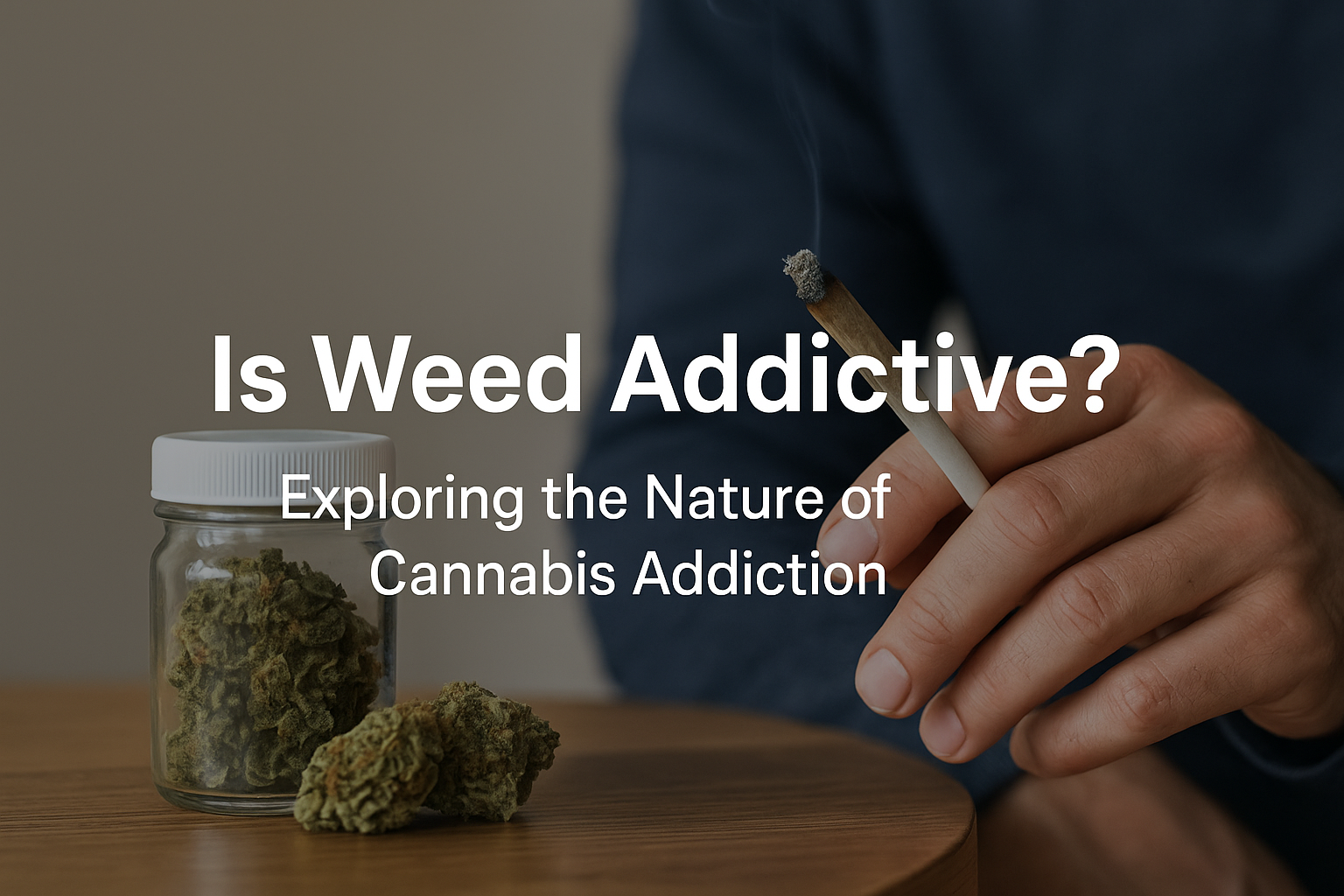
  • Is Weed Addictive? Understanding Dependence and Risk

    Is Weed Addictive? Understanding Dependence and Risk

    Cannabis is legal in many places now, and many people wonder whether it can be addictive. The honest answer is that it can be, although the picture is more nuanced than it is for some other substances. Most people who use cannabis do not develop a use disorder, but some do, and the risk depends on many factors. This article explains how dependence develops, the difference between physical and psychological dependence, the warning signs to watch for, and how people can get help when use is causing problems.

    What Makes Cannabis Potentially Habit-Forming

    Cannabis contains many compounds, but delta-9-tetrahydrocannabinol (THC) is the main one responsible for the psychoactive effects people seek. THC interacts with the brain’s endocannabinoid system, which helps regulate mood, appetite, pain, sleep and reward. Cannabidiol (CBD), another compound, is not psychoactive and is studied for other uses, but it is THC that is most often linked to questions about dependence.

    Repeated use can change how the brain responds to THC and to the situations linked with use. Some people find that they want more to get the same effect, although this is not universal. Because cannabis can produce relaxation and relief from stress, it may become a regular way of coping. Over time, that pattern can make it harder to manage stress, sleep or difficult emotions without the substance.

    Researchers continue to study the mechanisms behind dependence, and the evidence is still developing. What is clear is that cannabis has a potential for dependence in some users, and that the risk is shaped by individual factors such as age at first use, how often the person uses, mental health, family history and the strength of the product.

    Part of the difficulty is that cannabis is used in very different ways. Some people use it occasionally at social events, while others use it several times a day to manage pain, sleep or stress. Products also vary widely in strength, and the way they are consumed, whether smoked, vaporized or eaten, can change how quickly effects arrive and how long they last. Because of this variety, a single rule about whether cannabis is addictive does not describe everyone’s experience. Looking at patterns of use over time is more useful than a simple yes or no answer.

    Physical and Psychological Dependence

    When people talk about addiction, they often distinguish between physical and psychological dependence. Physical dependence means the body adapts to regular use, so that stopping produces withdrawal symptoms. Psychological dependence involves the mental and emotional pull of a substance, including cravings, preoccupation and the belief that it is needed in order to cope.

    Cannabis withdrawal is recognized in clinical guidance, and it can include irritability, anger, restlessness, sleep difficulties, reduced appetite and low mood. These symptoms are usually less intense than those seen with alcohol or opioid withdrawal, but they can still make quitting difficult, especially for someone who uses daily. Many people who try to stop on their own return to use because the discomfort feels hard to manage without support.

    Psychological dependence can be just as challenging. A person may find themselves thinking about cannabis throughout the day, planning around the next opportunity to use, or feeling anxious about being without it. This preoccupation can shape friendships, routines and decisions over time, even after the physical symptoms have eased.

    Many people who use cannabis do not develop a use disorder. Risk tends to be higher among people who start using at a young age, use frequently or daily, or use to manage significant anxiety, depression or trauma. A family history of substance use can also raise risk. Knowing these factors can help people make more informed decisions about their use.

    Signs That Use Has Become a Problem

    Cannabis use becomes a concern when it begins to affect important areas of life. Motivation may drop, and hobbies, school or work may slip. Judgment can be affected, and relationships may suffer. Some people notice that they have stopped doing things they used to enjoy, or that cannabis has become the main way they relax.

    Other signs include trying to cut back and being unable to do so, spending more time or money on cannabis than planned, continuing to use despite health or relationship problems, and using in situations that are unsafe, such as before driving or while caring for children. When these patterns persist for a while, they deserve a closer look.

    Self-reflection can be helpful. It may help to ask whether cannabis is still a choice or has started to feel necessary, how the person feels when they cannot use, and whether friends or family have raised concerns. If the answers point toward a problem, a conversation with a clinician is a good next step.

    Mental health should be considered alongside use. Cannabis can worsen anxiety or contribute to paranoia in some people, and it is often used to manage symptoms of depression or trauma. Treating those conditions directly is frequently an important part of making a change that lasts.

    Driving deserves a clear mention. THC can affect reaction time, coordination and judgment, and impairment can last beyond the feeling of being high. Anyone who is worried about their use should avoid driving after using, and should not rely on personal judgment alone to decide whether they are fit to drive.

    Getting Help for Cannabis Use

    Support for cannabis use is available in several forms. Cognitive behavioural therapy can help people identify triggers, build alternatives to using and address the thoughts that drive cravings. Motivational interviewing is often used to explore mixed feelings about change and build confidence. Support groups can provide peer understanding and practical strategies for daily life.

    Family involvement can be valuable. Loved ones can learn how to talk about cannabis use without constant conflict, set reasonable expectations, and support healthy routines. Family sessions can also address tension and help rebuild trust over time.

    Some people use cannabis together with alcohol, other substances or prescription medications. Mixing substances can increase risk and complicate treatment, so it is important to be open with a healthcare provider about everything being used. Any decisions about medication, including for sleep, anxiety or pain, should be made with a physician or pharmacist.

    To learn more, read our marijuana addiction treatment information, or speak with our team through the contact page or by calling 705-429-3870. If someone is experiencing a medical emergency, such as a severe reaction to a substance, chest pain, or confusion, call 911 or your local emergency number.

    Change is rarely a single decision. Many people cut back several times before they stop, and some find that reducing use is a more realistic first goal than quitting completely. Keeping a simple diary of use, noticing which situations lead to it, and identifying other ways to relax can make change more concrete. A clinician can help set goals that fit the person’s situation.

    Frequently Asked Questions

    Is cannabis addictive for everyone who uses it?

    No. Most people who use cannabis do not develop a use disorder. The risk depends on factors such as age at first use, how often a person uses, their mental health and family history. It is still possible to develop problematic use, so paying attention to changes matters.

    Can you have a cannabis problem without withdrawal symptoms?

    Yes. Psychological dependence can be significant even when physical withdrawal is mild or absent. Preoccupation, continued use despite harm and failed attempts to cut back are important signs, regardless of physical symptoms.

    Is it safe to stop using cannabis on my own?

    Many people stop without medical help, but support can make the process easier, especially for daily users or those who have tried before. If you use cannabis with other substances, or have significant anxiety, depression or sleep problems, speak with a clinician before making major changes.

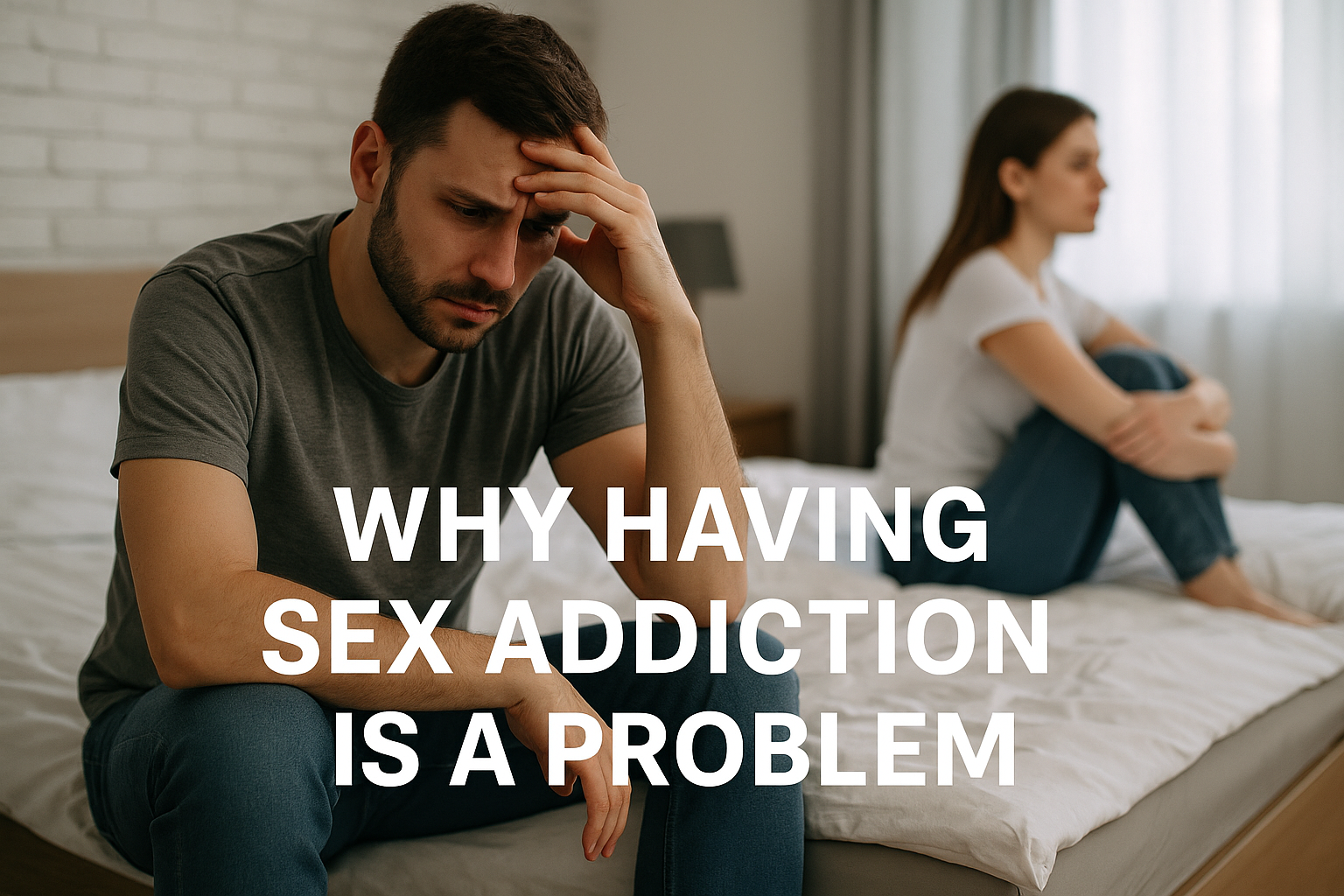
  • Why Sex Addiction Is a Problem: The Consequences

    Why Sex Addiction Is a Problem: The Consequences

    Sex addiction is a term many people have heard, often surrounded by jokes and stereotypes. For the people and families affected by it, the reality is usually far less amusing. Compulsive sexual behaviour can take over time, money and attention, and it can damage health, relationships, work and self-worth. Clinicians still debate the terminology. The ICD-11 includes compulsive sexual behaviour disorder, while the DSM-5 does not list a separate diagnosis. This article explains the consequences that individuals and families most often describe, and how treatment can help.

    What Compulsive Sexual Behaviour Looks Like

    Compulsive sexual behaviour is generally described as a repeated pattern of intense sexual thoughts, urges or activities that become central to a person’s life and are hard to control, even when the person wants to stop and recognizes the harm. The concern is less about sexuality itself and more about loss of control and the consequences that follow. Sexual behaviour that is consensual, healthy and freely chosen is not a problem in itself.

    The pattern can involve risk-taking, such as unprotected sex, multiple partners in quick succession, or encounters that conflict with personal values or social norms. It may also involve hours spent on pornography, online encounters or other activities that take over daily routines. When the urge is strong, people often describe a sense of being pulled, followed by shame or regret, and then the cycle repeats.

    It helps to separate the behaviour from the person. Many people who struggle with compulsive sexual behaviour carry a great deal of shame, and that shame often keeps them from talking to anyone. Describing the pattern in plain terms, such as how often it happens, what triggers it, and what it costs, can make it easier to discuss with a clinician. Clinicians generally approach the concern with curiosity rather than moral judgment, because the goal is to reduce harm and restore choice.

    Relationship Strain and Family Impact

    Long-lasting relationships depend on trust, intimacy and mutual respect. Compulsive sexual behaviour can undermine all three. Secrecy, lying about where time is spent, and infidelity are common sources of conflict, and partners often describe a deep sense of betrayal. Even after the behaviour slows, rebuilding trust can take a long time.

    Families can be affected in many ways. Children may witness conflict, feel anxious about the household, or be exposed to content or situations that are not appropriate for them. Partners may feel responsible for the problem, or may struggle with their own anger, grief and uncertainty about the future. Support for partners and family members is often a valuable part of treatment.

    Friendships can suffer as well, particularly when a person withdraws to hide the behaviour or when trust breaks down. Recovery usually involves honest conversations, consistent accountability and patience on all sides.

    Trust repair often involves a level of openness that the partner chooses to receive and ask for on their own terms. Some couples find that structured conversations, clear agreements about devices and time, and couples counselling help them understand what happened and what would make the relationship safer. Decisions about whether to stay together are personal, and it is reasonable to take time to think them through with a professional.

    Health, Work and Legal Consequences

    Physical health is one area of concern. Preoccupation with sexual encounters can lead to neglect of safer sex practices, which increases the risk of sexually transmitted infections. Some people also engage in sexual activity while intoxicated or under stress, which can add further risks. Anyone with concerns about sexual health should speak with a physician and arrange testing as needed.

    Work and daily responsibilities can also suffer. Time and mental energy spent on compulsive behaviour can lead to missed deadlines, reduced performance, conflict with colleagues and difficulty keeping commitments. Over time, these problems can limit career advancement and strain financial stability, especially when the behaviour involves paid services or repeated spending.

    Some behaviours carry legal consequences. Compulsive acts may cross legal lines, such as public indecency, harassment or the sharing of intimate images without consent. Legal outcomes can affect employment, housing, family arrangements and reputation. Anyone facing legal concerns should seek advice from a qualified lawyer.

    Financial harm deserves its own mention. Repeated spending on sexual services, online content or related activities can create debt, strain shared finances and lead to hidden accounts. Anyone who notices unexplained charges or money that disappears should address it openly and consider advice from a financial counsellor.

    Self-Esteem, Mental Health and Treatment

    Perhaps the most overlooked impact is on self-esteem and mental health. The cycle of compulsion and regret can lead to shame, worthlessness and emotional distress. Those feelings can increase the risk of depression and anxiety, which in turn may make the compulsive behaviour feel like the only available relief. Breaking that cycle usually requires attention to both the behaviour and the emotions beneath it.

    Self-compassion is often part of recovery, although it can be hard to practise. Learning to notice shame without acting on it, and to separate a mistake from a verdict on one’s whole character, can reduce the pressure that drives compulsive cycles.

    Treatment often includes individual therapy, such as cognitive behavioural therapy, which helps people recognize triggers, challenge distorted beliefs and build alternative coping skills. Some approaches also address trauma, relationship patterns and shame. Where other mental health conditions are present, they should be assessed and treated directly.

    Relapse and setbacks are common in any behavioural change, and they do not mean that treatment has failed. A setback is useful information about triggers and gaps in the plan. What matters most is returning to support quickly, being honest about what happened, and adjusting the plan.

    Group support can help people feel less alone. Many people find that talking with others who have similar struggles reduces shame and provides practical accountability. Partners and family members may also benefit from their own support, separate from the person in treatment.

    Medication may be considered in some cases, particularly when a co-occurring condition is present. Decisions about medication should be made with a physician or psychiatrist who can review the full health history and discuss benefits and side effects.

    If you or someone you love is struggling, you can look into our hybrid program and virtual outpatient options to see which level of care may suit. You can also contact our team or call 705-429-3870.

    If you are not sure what to do next, start with a conversation. A physician, counsellor or addiction specialist can listen without judgment, ask about the pattern, and suggest the right next steps. You do not need every answer before asking for help, and early support often makes change more manageable.

    Frequently Asked Questions

    Is sex addiction a recognized diagnosis?

    Terminology is debated. The ICD-11 includes compulsive sexual behaviour disorder, while the DSM-5 does not list a separate diagnosis for it. Clinicians focus on the pattern, the loss of control and the harm caused, whatever terms are used.

    Does having a high sex drive mean someone has a problem?

    No. A high sex drive, or an interest in sexuality that is consensual and healthy, is not a problem by itself. Concern arises when behaviour feels out of control, repeatedly causes harm, and continues even though the person wants to stop.

    How can I support a partner who is struggling with this?

    Focus on honest communication and your own wellbeing. Consider seeking support for yourself through counselling or a partner support group. Recovery usually takes time, and it helps to set clear boundaries about what you need. If there is any risk of harm, call 911 or your local emergency number.