Metamorphosis Centre for Change

Author: Frank

  • Government Funded Rehab in Ontario: How to Access It, What to Expect, and When Private Care Fits

    Government Funded Rehab in Ontario: How to Access It, What to Expect, and When Private Care Fits

    Yes, Ontario pays for a range of addiction services, and the first step costs nothing. ConnexOntario, reached at 1-866-531-2600, is free and open 24 hours a day, and its staff can search more than 5,000 mental health, addiction and gambling programs for you. The harder part is timing. The most recent provincial figure we could verify comes from the Auditor General of Ontario’s 2019 report, which found the average wait for a publicly funded residential addictions program had risen from 43 days in 2014/15 to 50 days in 2018/19. Waits vary by region and program, so many people combine a public referral with a plan for staying safe while they wait.


    Man seated on a sofa at home making a phone call and taking notes
    Quiet common room with armchairs arranged in a circle in front of a large window with trees outside

    What government funded means, and where to start

    It means the province pays for the service, so you do not pay the program a fee. There is no single government rehab centre. Ontario funds a mix of community counselling, hospital programs, withdrawal management (supervised detox), residential treatment and medication-based care. These services are run by hospitals, community agencies and other organizations, and each one sets its own intake steps.

    Several starting points are free and need no referral. Confirm hours and locations before you travel, because they change.

    • ConnexOntario: a free, confidential directory and phone service. Call 1-866-531-2600, text CONNEX to 247247, or use live chat. It is open 24 hours a day.
    • Health811: free, confidential advice from a registered nurse. Dial 811 or visit health811.ontario.ca to ask about withdrawal symptoms and what to do next.
    • Rapid Access Addiction Medicine (RAAM) clinics: quick access to addiction medicine and counselling referrals. The Ontario government says no appointment or referral is needed.
    • Your family doctor or nurse practitioner: can assess you, prescribe where appropriate and refer you to community services. A walk-in clinic can help if you do not have one.

    If you want publicly funded therapy, the Ontario Structured Psychotherapy Program is available to adults and is often used for anxiety or depression. It usually requires a referral from a health professional. If opioids are part of the picture, opioid agonist therapy is a medically supervised option worth learning about before your first appointment. Whether it fits you is a decision for you and a prescriber.

    How intake and the wait work

    There is no central waiting list that places you in a bed. Each program decides who it accepts. The Auditor General found that addictions funding grew from about $191 million in 2014/15 to about $239 million in 2018/19, with most of the money going to non-residential counselling. Residential care, where you live on site for several weeks, is the kind of program most people picture when they say rehab.

    The general intake pattern looks like this. Call ConnexOntario, describe the substance and the kind of care you want, and ask whether a specific program is publicly funded. Ask each program whether it accepts self-referral, needs a doctor’s referral or requires an assessment first. Complete the assessment, then ask how long people are waiting right now and whether there is an interim plan while you wait. Ask what follow-up exists after discharge, because some stays include a discharge plan and some do not.

    The wait depends on your region, the program and the substance involved. We could not find a current, province-wide figure. The 2019 audit linked longer waits to more repeat emergency department visits, and a 2021 follow-up found little progress on standardizing how waits are measured. Treat the 50-day average as a historical marker and ask each program for its current wait. Being willing to travel to another community, or being flexible about the timing of an assessment, can sometimes open an earlier spot.

    Public and private care compared

    Neither option wins automatically. Public programs remove the cost barrier. Private programs usually offer quicker admission and more say over the setting. The right fit depends on your health, your finances, your timeline and what you need from the stay.

    • Who pays: the Ontario government pays public programs. Private residential care is generally paid for by you, an employer plan or an extended health plan, not through OHIP.
    • Getting started: public intake rules vary. At Metamorphosis Centre for Change, you do not need a referral from a doctor.
    • Timing: public waits can be long. Metamorphosis states a goal of admitting clients within 24 to 48 hours once intake is complete.
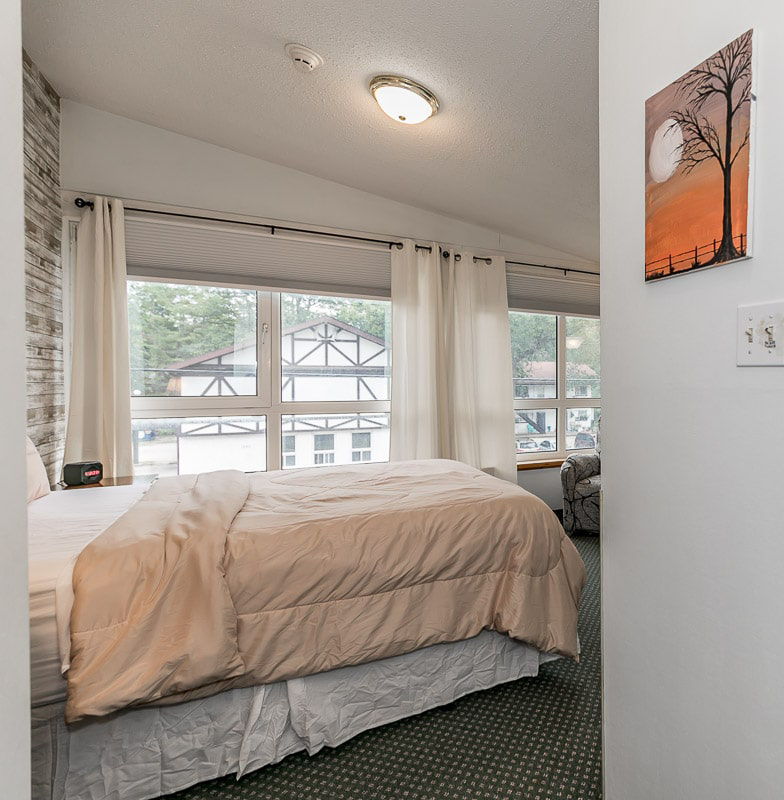
    • Rooms: public programs vary. Metamorphosis offers private rooms in its inpatient program.
    • Oversight: withdrawal management has provincial standards. Ask any centre, public or private, for its licences, its staff credentials and how it handles medical emergencies.

    Before you choose any program, ask who is on the clinical team and who is on site overnight, how withdrawal is managed, whether anxiety, depression or trauma are treated alongside substance use, and what the total cost includes. For more on what private care involves and how payment can work, see our finance information.

    While you wait

    Waiting at home is sometimes reasonable and sometimes not. It depends on what you use and how much. Stopping alcohol or benzodiazepines suddenly after regular heavy use can cause seizures and other serious problems, so get medical advice before you cut back. Opioid withdrawal is rarely dangerous on its own, but it can be very hard to get through, and it often leads people back to using. Please do not try to manage withdrawal alone.

    While you wait, call Health811 at 811 to speak with a nurse, see your family doctor or visit a RAAM clinic, and tell one person you trust what you are doing and when you will check in with them. Keep any follow-up appointments, even the small ones.

    Seek emergency care right away for seizures, confusion, chest pain, severe vomiting, thoughts of harming yourself or signs of an overdose. If you or someone near you is in crisis, call or text 988, which is available 24 hours a day. If there is immediate danger, call 911. Neither ConnexOntario nor a treatment admissions line is an emergency service.

    When private care is worth considering

    Private care tends to suit people who need to start soon and cannot absorb a long wait, who want a private room and a quieter setting, who want a longer planned stay, or who have tried community services and want a more intensive step. It is not the only credible option, and cost matters.

    Metamorphosis Centre for Change is a private, family-owned treatment centre at 725 Gibralter St in Delhi, Ontario, and it serves people from across the province. Admission begins with a phone call or the website form, followed by an intake form and a confidential assessment. You must be 18 or older and able to manage basic self-care. Reach admissions at 705-429-3870 or through our contact page. Asking questions does not commit you to anything.

    Payment options include major credit cards and bank drafts, and the centre states that financing is available through third-party lenders. Terms depend on the lender, so ask for the interest rate, the term and the total repayment amount in writing before you sign anything.

    Frequently asked questions

    Does the Ontario government pay for addiction treatment?

    Yes, in part. Ontario funds a range of addiction services through hospitals and community organizations, including withdrawal management, counselling and some residential programs. Publicly funded services do not charge a program fee, but each program sets its own intake rules and may have its own wait.

    How do I find government funded rehab near me?

    Call or text ConnexOntario at 1-866-531-2600 (text CONNEX to 247247) and tell them where you live and what you need. You can also search its directory online, and ask whether each program you are given is publicly funded.

    Can I apply to public and private programs at the same time?

    Yes. Many people join a public intake list while also asking about private options, then choose whichever opening comes up first and fits best. Let each program know if your situation changes.

    Does the Metamorphosis admissions line count as emergency help?

    No. If you are in crisis, call or text 988, or call 911 if you are in immediate danger. Admissions is for planning treatment, not for emergencies.

    Disclaimer: This article is general education and not medical, legal or financial advice. Program availability, eligibility, funding rules and wait times change, and the figures cited come from the sources named above. Confirm current details with the program or provider, and speak with a doctor or nurse about your own health.

    Written by Dr. Leonard Bienenstock, Medical Director, Metamorphosis Centre for Change.

    Related reading: Addiction rehab in Toronto.
  • Alcohol Addiction Treatment: How Inpatient Rehab Works and Who It Helps

    Alcohol Addiction Treatment: How Inpatient Rehab Works and Who It Helps

    Inpatient alcohol addiction treatment means living at a treatment centre for a set period, with medical detox, daily therapy and staff on site around the clock. Many people consider it when outpatient care has not held, when withdrawal is a concern, or when home is full of the people and routines that make drinking harder to stop. It is not the right fit for everyone, and outpatient care has real strengths. This guide explains how the two options compare and what to ask before you decide.

    Alcohol Addiction Treatment: Why Inpatient Rehab Delivers the Highest Success Rate

    How inpatient rehab differs from outpatient care

    The main difference is where you sleep. Inpatient programs ask you to stay at the facility for the length of the program. Outpatient programs let you keep living at home, going to work and handling family life, while you attend scheduled sessions. That flexibility is useful, but it also means you return each evening to the same environment where drinking happened.

    • Living arrangement: inpatient care means staying at the facility. Outpatient care means living at home.
    • Level of support: inpatient programs have staff on site at all hours. Outpatient programs usually run on scheduled sessions.
    • Exposure to triggers: inpatient care limits access to alcohol and to people who drink with you. Outpatient care keeps those things close.
    • Cost and daily life: inpatient care is generally more expensive and pauses work and family responsibilities. Outpatient care usually costs less and fits around a job.

    Outpatient treatment can be a strong choice for milder problems, for people with stable home lives, or as a step down after residential care. The question is whether the level of structure matches what you need right now.

    What a sound inpatient program includes

    A well-run residential program usually combines several parts. Ask programs to describe each one in plain terms:

    • Medical detox, with withdrawal managed by clinical staff
    • Individual therapy and group therapy
    • Psychoeducation about alcohol use and how it affects the body and brain
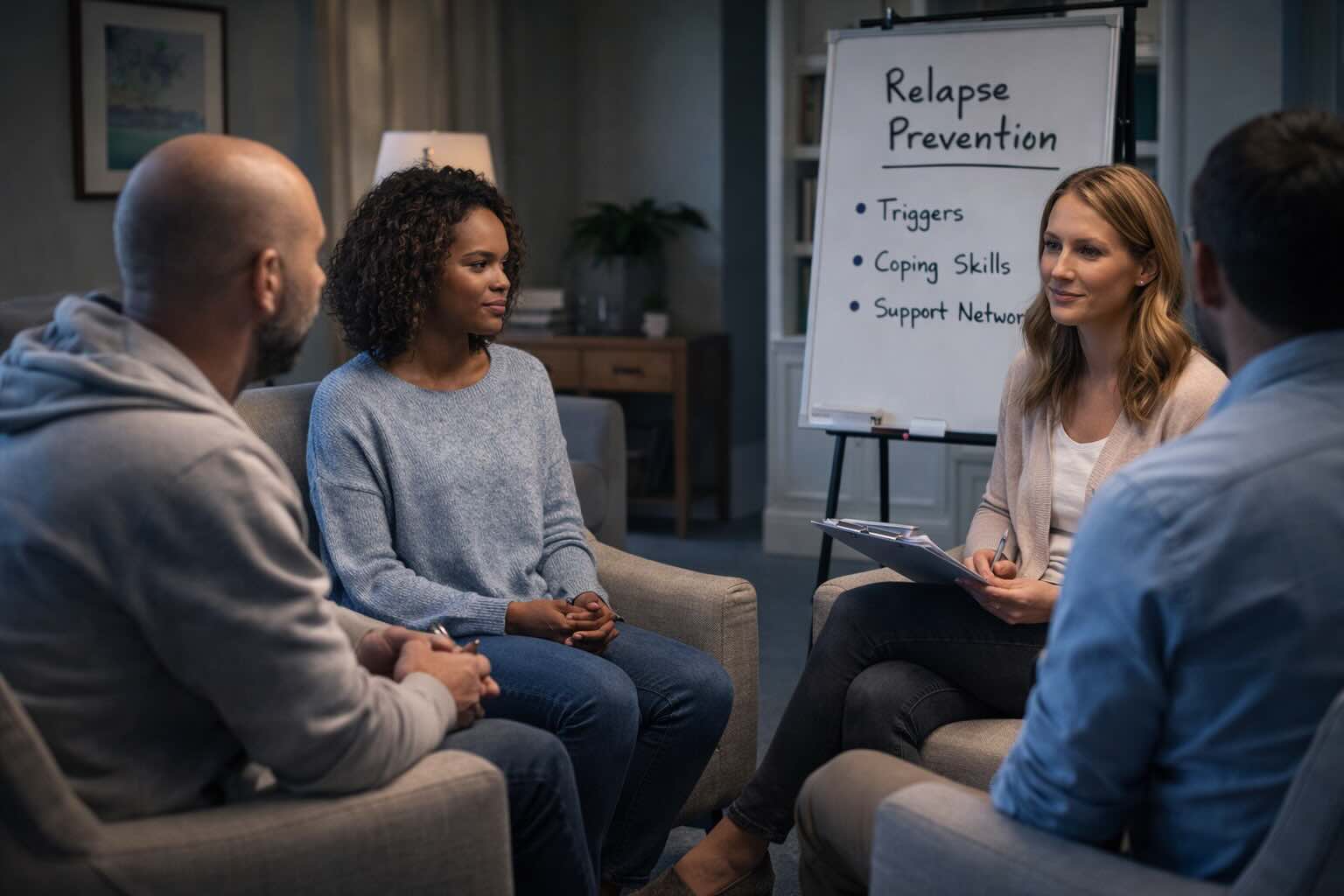
    • Relapse-prevention planning that is written down and reviewed
    • Holistic wellness practices, such as sleep, nutrition and physical activity
    • Aftercare planning that starts before discharge

    Detox matters more than many people expect. Alcohol withdrawal can be dangerous for some people, and symptoms can escalate quickly. Medical staff on site can monitor the process and respond if complications appear. Many people who tried to stop drinking at home found the symptoms frightening, which is one reason supervised detox exists. If you are thinking about cutting back or stopping, please speak with a doctor before you do so on your own. Our medical detox program page describes how that stage is handled.

    Once detox is complete, therapy usually becomes the main focus. Common approaches include cognitive behavioral therapy, which helps people notice and change thinking patterns linked to drinking, and dialectical behavior therapy, which builds skills for handling stress and strong emotions. Trauma-informed counselling and family sessions may also be part of the plan when they are appropriate.

    Why structure matters in early sobriety

    Early sobriety can feel unsteady. Sleep may be poor, moods can swing, and cravings can arrive without warning. For many people, the first weeks are when the risk of returning to drinking is highest. An inpatient setting reduces daily exposure to triggers, which gives the body and mind time to settle.

    Living among peers who understand the experience can also help. People often feel less isolated when they are not the only one struggling. Staff availability matters too, because support is there when a craving peaks late at night or after a difficult session, rather than hours later at the next appointment.

    Structure has limits. A stay in a treatment centre is a starting point, not a cure, and recovery depends on what happens after discharge. A good program helps you prepare for that transition from the first week.

    Who inpatient care tends to suit

    Inpatient care is often recommended for people with moderate to severe alcohol use disorder. It is worth considering when someone has a long history of drinking, has relapsed several times after outpatient care, has a risk of serious withdrawal, lives in an unstable or unsafe home, or has mental health concerns that need to be treated alongside alcohol use. Each of these points deserves a direct conversation with a clinician.

    Trying to manage severe dependence in an outpatient setting can be very hard, because the environment keeps pulling a person back toward drinking. Good intentions help, but they are rarely enough on their own when physical dependence is involved. That is why many clinicians look at the full picture, including the person’s history, health and home life, before recommending a setting.

    If you have tried outpatient treatment before, do not read that as failure. Many people need more than one approach over time, and a residential stay can be the step that makes later outpatient work more effective. For more on how the two settings differ, see our alcohol addiction education page.

    Length of stay, cost and aftercare

    Programs vary in how long they run, and the right length depends on the person. Some needs call for a shorter stay, and others call for more time to address mental health, relationships and relapse prevention. Ask each program how it decides on length of stay, what progress it measures and how a discharge decision is made.

    Cost also varies widely. It depends on the facility, its location, whether rooms are shared or private, and the services included. Insurance and workplace benefits may cover part of the cost. Before you commit, ask for a written breakdown of what is included and what is extra. Our finance information page can help you think through the options.

    Aftercare is where many plans succeed or fail. Useful aftercare can include outpatient therapy, sober living housing, peer support groups such as AA or SMART Recovery, family counselling and alumni programs. A structured aftercare program or a hybrid program can help bridge the gap between residential care and everyday life.

    Questions to ask before you choose a program

    When you compare programs, the answers matter more than the brochure. Consider asking:

    • Is medical detox provided on site or elsewhere?
    • What does a typical day look like?
    • Are treatment plans individualized, and how is that done?
    • How many staff are available for each client?
    • What happens in an emergency, and who is on call overnight?
    • Which therapies are offered, and how is family involvement handled?

    No program will answer every question perfectly. You are looking for clear answers and a team that is open about its approach.

    Frequently asked questions

    How long does inpatient alcohol treatment last?

    It varies by program and by person. Some stays are shorter and some are longer. Ask the program how it sets the length of stay and what it looks at when deciding whether someone is ready to leave.

    Does insurance cover inpatient rehab?

    Coverage depends on your plan and on the program. Ask your insurer or benefits provider what it covers for addiction treatment, and ask the centre for a written breakdown of its costs.

    Should my family be involved?

    Many programs encourage family involvement, because alcohol use affects the whole household. Family sessions can help people rebuild communication and learn how to support recovery without making things worse. Our family support program page describes how this can work.

    Can I stop drinking at home while I decide?

    Please do not stop suddenly on your own without medical advice. Withdrawal can be dangerous for some people. Speak with a doctor or a helpline nurse first. If you have seizures, confusion, chest pain or thoughts of harming yourself, call 911 or 988 right away.

    If you would like to talk through which setting might fit your situation, you can call 705-429-3870 or use our contact page. Reaching out does not commit you to anything.

    Related reading: Addiction rehab in Toronto.

  • Rehab Packing Checklist for Ontario Patients (2026 Admissions)

    Rehab Packing Checklist for Ontario Patients (2026 Admissions)

    Packing for rehab can feel like a simple errand, but it often carries more weight than people expect. Clothes and toiletries are easy to list. Phones, medications and certain personal items raise harder questions. This checklist covers what most Ontario residential programs ask for, what they often restrict, and what to confirm with the admissions team before the day you arrive. Every program sets its own rules, so treat this list as a starting point and check your specific instructions.

    Rehab Packing Checklist for Ontario Patients (Printable Guide for 2026 Admissions)

    Documents and insurance to bring

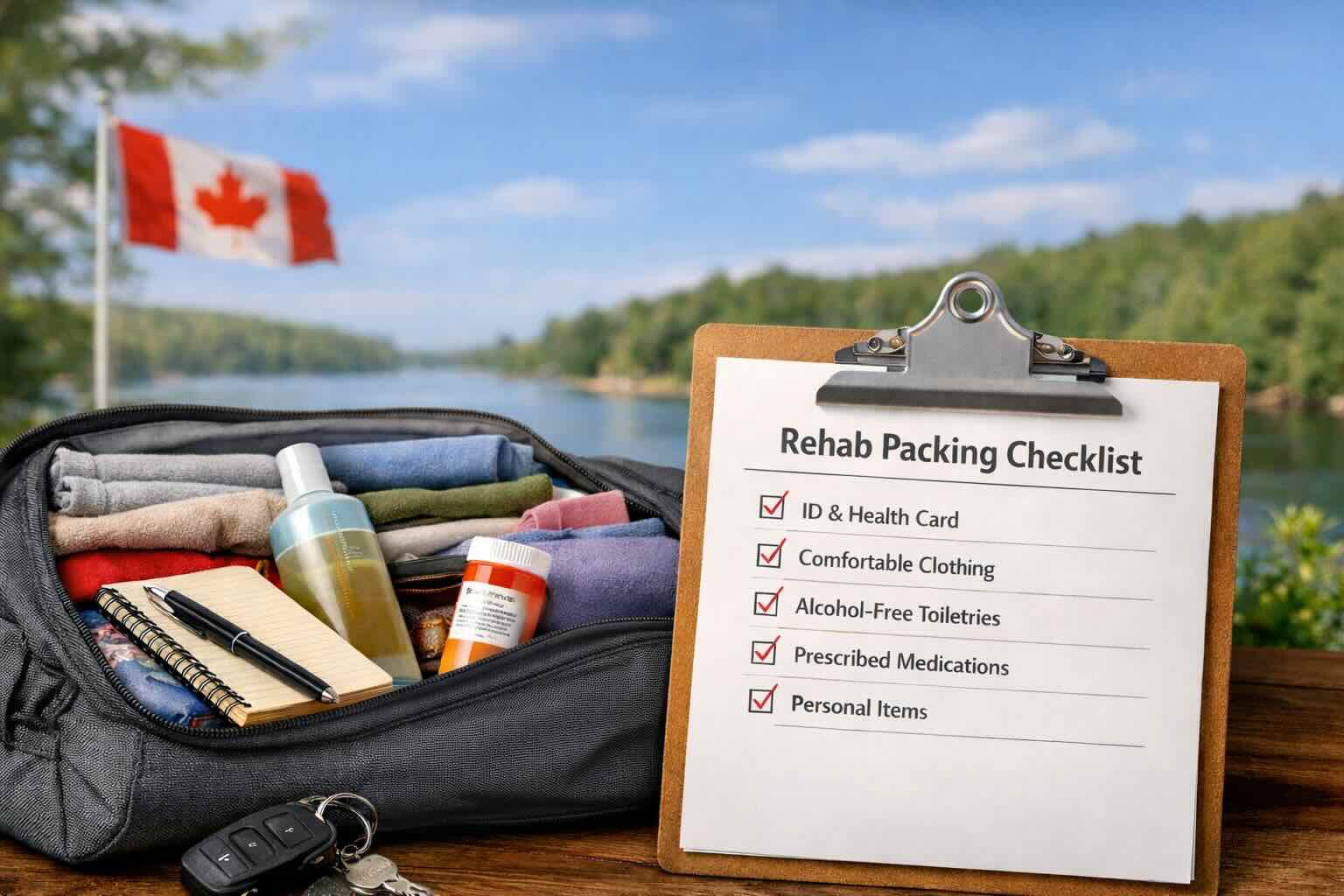
    Start with paperwork, because intake depends on it. Bring these items in a single folder so they are easy to find:

    • Government-issued photo identification
    • Your Ontario health card, or your private insurance card if you are paying through a plan
    • Admission paperwork that the centre sent you
    • Emergency contact names and phone numbers
    • A list of the healthcare providers involved in your care
    • A written list of current diagnoses and allergies

    Even if the centre already has copies on file, bring your own. Files can go missing, and intake staff change shifts. If you are unsure whether you need a document, bring it. It is easier to leave something at home than to be turned away at the door.

    Some people find it useful to write a short note of what they packed and what they left with someone at home. This makes it easier to recover a forgotten item later and gives family members a clear record of what was sent. Keep the note with your admission folder, not in your bag, so it is available during intake.

    Clothing and personal care

    Clothing rules are usually broad. Plan for loose, modest clothing that is comfortable for group settings. Most people do well with enough outfits for about a week, since laundry is often available on site. Include comfortable sleepwear and at least one warm layer, even in summer, because indoor spaces can be cool. In winter, pack warm layers and indoor slippers. Ask whether heavy coats, boots and gloves can be kept with your belongings when you are not outside.

    Avoid clothing with drug, alcohol or explicit branding, and avoid accessories that could raise safety concerns. A familiar sweater or hoodie can be grounding, as long as it meets the program’s rules.

    Personal care items are where many people get caught out. Many programs require toiletries to be alcohol-free, unopened and non-aerosol. This applies to products you might not expect, such as mouthwash, hand sanitizer, perfume and some lotions, because many everyday products contain alcohol even when they do not smell like it. Bring basics such as a toothbrush, toothpaste, soap, shampoo, any hair care products you need and shaving supplies if you use them. Expect staff to review these items at intake. If something is not allowed, it is usually stored or sent home.

    Medications, glasses and comfort items

    Medications need careful handling. Many programs ask that prescription medications stay in their original pharmacy containers with a current label. Do not move pills into organizers, combine them into one container or bring expired prescriptions. Bring a written medication list that shows each name, the dose and the schedule as your prescriber has set them. Do not change any dose or timing on your own before you arrive. If you have a question about a medication, ask your doctor or pharmacist.

    Also pack glasses or contact lenses with solution, and any medical device the facility has approved. Once the basics are covered, many centres allow comfort items such as a journal, a few books, photos of family and small personal items. These can help with grounding and with managing stress during the first days. Ask the admissions team before you pack anything that might be unusual.

    Items programs usually restrict

    This section is the one people often read last, and it is the one that causes the most frustration at intake. Knowing the rules ahead of time prevents awkward moments.

    • Phones and devices: many programs limit personal electronics during early treatment. Some allow phones after an initial period, and others allow scheduled or supervised access. Commonly restricted items include smartphones, tablets, laptops, smartwatches with messaging features and gaming systems. If staying in touch is important, ask admissions about the communication options they offer.
    • Substances, supplements and scents: drugs and alcohol in any form are not allowed. Over-the-counter supplements, herbal remedies, essential oils and strongly scented products are often restricted, even when they are labelled natural. Ask about nicotine policies before you pack, because they vary.
    • Logos and reading material: clothing with alcohol or drug branding is often discouraged. Materials that glamorize substance use, violence or explicit content may also be restricted, because a shared living space needs to feel neutral for everyone in it.

    If you bring something that is not allowed, it is usually logged at intake and then stored on site, sent home with a family member, or returned when you leave if that is appropriate. Items that pose an immediate safety risk may not be stored at all. Staff should explain this clearly at intake.

    It helps to pack in stages rather than all at once. A week or so before admission, gather your documents, write out your medication list and ask the admissions team any policy questions. A few days before, lay out clothing and toiletries and check each item against the rules you were given. On the day itself, pack last, keep your paperwork in a separate folder you can hand over at the desk, and wear the bulkiest layers you plan to bring so your bag stays lighter.

    If someone else is helping you pack, give them this list and ask them to bring it to the admissions desk with you. Shared checklists reduce the chance that a document or medication is forgotten, and they make the morning of admission feel less rushed. Remember that the people helping you are there to support you, and they do not need to know every detail of your history to help you prepare.

    Frequently asked questions

    Can I bring my phone?

    It depends on the program. Many centres restrict phones during the early phase of treatment, which can last from a few days to a couple of weeks. Some allow limited access later, often scheduled or supervised. Talk with admissions before you arrive if staying in touch with family, children or work is essential.

    Will my belongings be searched?

    Most residential programs search bags as part of their safety procedures. Searches are usually done privately and respectfully. Knowing this in advance can reduce the discomfort of the moment.

    Can someone bring me forgotten items later?

    Some centres allow drop-offs after intake, though items are usually screened before they are passed along. Others restrict this in the early phase or require advance approval. Ask the admissions team how drop-offs are handled.

    When should I review this list with the admissions team?

    Ideally a few days before intake, rather than the night before. Ask whether any policies have changed, what happens if you bring a prohibited item and whether the program can support the specific medications you take.

    If you have questions about what to bring, you can call our admissions team at 705-429-3870 or visit our what to bring page. You can also reach out through our contact page. Packing well will not solve every worry, but it can make the first days calmer, and staff are there to help you settle in.

    Related reading: Addiction rehab in Toronto.
  • Is Rehab Safe? Inside the Medical Monitoring and Safety Protocols You Should Expect

    Is Rehab Safe? Inside the Medical Monitoring and Safety Protocols You Should Expect

    Yes, professional drug and alcohol rehab is generally considered safe, because it is designed to manage the real medical risks of stopping substance use. Withdrawal can be uncomfortable, and in some cases it can be dangerous. Seizures, heart complications, dehydration and confusion are possible, particularly with alcohol, benzodiazepines and long-term opioid use. Safety in rehab comes from structure: trained staff, ongoing observation, documented care and clear plans for emergencies. This guide explains what that monitoring looks like and how to check a program before you commit.

    Is Rehab Safe? Inside the Medical Monitoring & Safety Protocols You Should Expect

    Why withdrawal makes safety a real concern

    Stopping heavy alcohol or sedative use can affect the whole body. The nervous system has to readjust, blood pressure and heart rate can shift, and sleep may be disrupted for days. Without supervision, these changes can escalate quickly. This is why medical detox exists. It is not only about stopping a substance, but about managing physical instability with people who know the early warning signs and when to act.

    Substance use today is also more complicated than it was a decade ago. Many people use more than one substance, and many have mental health conditions, trauma histories or other medical issues. That combination makes mistakes easier to make and harder to spot. Anyone considering treatment should tell the program about everything they take, including prescriptions, over-the-counter products and supplements.

    Fear is understandable too. Some people worry that no one will notice if something goes wrong, while others worry they will be overmedicated or treated without dignity. Both concerns are worth raising directly. A good program will explain how monitoring works, what it does not do and how patients are treated day to day.

    What medical monitoring involves during detox

    Monitoring is not a single check-in. It changes with the person’s level of risk and the stage of withdrawal. During the early and most sensitive part of detox, clinical staff typically watch heart rate, blood pressure, temperature, oxygen levels and mental state. Checks are based on medical need rather than convenience, so someone whose health is less stable is observed more closely.

    Alcohol withdrawal in particular needs close supervision because of the risk of seizures and severe confusion. Opioid withdrawal is less likely to be life-threatening on its own, but it can still cause serious dehydration and can raise the risk of overdose if someone returns to using after a period of reduced tolerance. Medical teams may use withdrawal medications to ease symptoms and steady the body. These decisions belong to a physician, who chooses the medication, adjusts it based on how the person responds and records each change. Please do not adjust any medication on your own, and speak with a doctor or pharmacist about any question you have about a prescription.

    Around-the-clock staffing is one of the most important safety features. Withdrawal symptoms often peak at night, so clinical staff should be on duty at all hours. Clinical checkpoints give the team regular chances to reassess risk, notice trends and step in before small problems become emergencies. Our medical detox program page describes how this stage is handled.

    How to check a program’s safety and credentials

    Safety should be verifiable, not just reassuring. At a minimum, a treatment centre should be licensed by the appropriate provincial authority. Licensing confirms baseline requirements for staffing, medical access, record keeping and physical safety. Many programs also seek independent accreditation from organizations such as CARF or Accreditation Canada. Accreditation reviews often include chart audits, staff interviews and inspections of how medications are stored and handled. Ask for the accreditation status and check it yourself if you can.

    Credentials matter as well. A sound program has physicians or nurse practitioners overseeing medical care, nurses managing detox monitoring and medication administration, and counsellors or therapists addressing mental health and behavioural risk. You can ask how the team is trained and how often it receives updates on withdrawal care. Our article on alcohol addiction treatment covers how medical and clinical care fit together in a treatment plan.

    Staffing levels also matter. When too many people are assigned to too few clinicians, monitoring becomes reactive rather than preventive. Ask how staffing changes when a client’s medical needs increase, and what the program does after an incident. Programs that record incidents and review them to improve care tend to be more transparent about their safety record.

    Red flags to watch for

    Unsafe programs do not always announce themselves. Problems often become visible only when you ask specific questions. Be cautious if a centre cannot explain who monitors clients overnight or how medical decisions are made during detox. Be cautious if it downplays the risk of withdrawal, offers only vague reassurance or avoids talking openly about its licences and accreditation.

    Documentation and communication are also useful signals. Good records keep care consistent, and families should understand consent, privacy and how concerns are raised. Confusion or defensiveness about these topics is a warning sign. Physical safety matters too. A poorly controlled environment can increase stress and disrupt sleep, which can make withdrawal harder to get through.

    If anything about a program makes you uneasy, it is reasonable to walk away and keep looking. You do not need to choose the first option you find.

    It also helps to know what the first days usually feel like. Many people arrive tired, anxious and unsure what to expect. A clear program will explain the intake assessment, the first monitoring checks, how often staff will look in on you and who to tell if you feel worse. You should be told which symptoms need an immediate call to staff and what happens next. If a program cannot describe its first 24 to 72 hours in plain language before you arrive, ask again or consider another option. Clarity at this stage is a good sign that the rest of the care will be organized as well.

    Frequently asked questions

    Can serious complications happen during detox?

    Yes. Serious complications can occur during detox, especially with alcohol, benzodiazepines and heavy long-term use. In a supervised setting, early warning signs are more likely to be noticed, vital signs are tracked and medical staff can respond quickly. That reduces risk, but it does not remove it entirely.

    What happens if there is a medical emergency in rehab?

    A safe program plans for emergencies in advance. Staff should know how to recognize deterioration, how to respond on site and when to contact emergency services. If higher-level care is needed, transfer to a hospital should happen without delay, and the event should be documented.

    How do I verify that a rehab centre is licensed and accredited?

    Confirm the centre’s licence with the provincial authority and ask for its accreditation details. You can also ask how often vital signs are checked during detox, who provides medical coverage overnight and what the protocol is if a client becomes unstable. Clear, specific answers are a good sign.

    What if I am already using alcohol or drugs daily?

    Please do not stop suddenly without medical advice, especially if you drink heavily or use benzodiazepines. A doctor, nurse or helpline can explain the safest next step. If you have seizures, confusion, chest pain or thoughts of harming yourself, call 911 or 988 right away.

    If you would like to ask a clinical question about the medical detox process, you can call 705-429-3870 or visit our contact page. Admissions is for planning care and is not an emergency service.

    Related reading: Addiction rehab in Toronto.

  • Inpatient Rehab for Opioid Addiction: How It Works and Who It Suits

    Inpatient Rehab for Opioid Addiction: How It Works and Who It Suits

    Inpatient rehab for opioid addiction is a live-in treatment program that combines medical supervision, medication-based treatment, therapy and peer support over a set period. It is often considered when outpatient care has not held, when there is a history of overdose or relapse, or when home is an unstable place to recover. Outpatient and medication-only care are valid options for many people. This guide explains how residential treatment works, how it compares with other choices and what to look for in a program.

    What inpatient opioid treatment includes

    Residential programs bring several kinds of care together. Each one matters, and the best programs connect them rather than offering them in isolation:

    • Medically supervised withdrawal: opioid withdrawal is rarely life-threatening on its own, but it can be very uncomfortable and can lead people to leave treatment early. In a residential setting, clinical staff monitor symptoms and adjust care as needed.
    • Medication-based treatment: medications such as buprenorphine and methadone are used in opioid treatment, and other options exist. A prescriber decides which medication, if any, is appropriate, and how it is managed. Some people feel hesitant about these medications, and it is reasonable to ask questions about them before you decide.
    • Therapy: most programs use cognitive behavioural therapy, individual counselling, group work and trauma-informed approaches. The aim is to change patterns of thinking and behaviour, practised over time in a supportive setting.
    • Peer support and community: living alongside others in recovery can reduce isolation, which is a common driver of relapse, and it gives people a chance to learn from one another.

    Many programs also include wellness activities, such as movement, nutrition education and mindfulness. These do not replace medical care or therapy, but they can support sleep, stress management and overall stability.

    How inpatient care compares with outpatient and medication-only approaches

    Outpatient treatment lets people live at home while attending scheduled sessions. For someone with stable housing, strong support and relatively mild use, it can work well. Opioid use disorder, however, is hard to manage when the environment keeps pulling a person back toward use, and early recovery is a particularly vulnerable window.

    Medication-only approaches reduce harm and can keep people alive, which matters a great deal. But medication alone does not always build the coping skills, routines and support that help someone stay well over time. For that reason, many clinicians recommend combining medication with counselling and structure.

    Inpatient care differs in three practical ways. It offers more intensity, with therapy available daily. It limits access to opioids during the period when someone is most at risk. And it connects detox, medication, therapy and discharge planning, so each step builds on the last instead of starting over.

    Why structure and environment matter in early recovery

    Early recovery is not only about motivation. The environment you return to each day has a large effect on whether you can stay on track. Inpatient care reduces exposure to triggers and gives a predictable routine while the body and mind settle. Staff are available at all hours, so a craving or a physical symptom can be addressed the same day rather than at the next appointment.

    Structure also helps people practise new skills. Group sessions, individual therapy and family work, when it is included, can address patterns that often cause problems after discharge. Recovery is rarely a straight line, and having support when things go wrong is one of the most useful parts of residential care.

    Please do not stop opioids suddenly on your own without medical guidance. Tolerance drops during treatment and after it, and returning to the same amount of use can be dangerous. If you use opioids, keep naloxone on hand, make sure people around you know how to use it and call 911 in an overdose. Our medical detox program page explains how the withdrawal stage is handled in a supervised setting.

    Choosing a program and planning for after discharge

    Not every residential program is the same, so ask direct questions before you commit. Look for accreditation or licensing, medical staff on site or closely connected, and experience treating opioid use disorder specifically. Ask how medication decisions are made, who is available overnight and how emergencies are handled. Programs without experience in medically supervised withdrawal may not be equipped to manage it safely.

    Cost and coverage matter as well. Residential care costs more up front than outpatient care, but repeated relapses, emergency visits and short detox stays can add up over time. Ask your insurer or benefits provider what it covers for addiction treatment, and ask the program for a written breakdown of its fees. Our finance information page covers the main options.

    Length of stay also varies. Programs commonly run for several weeks, and longer stays may be recommended for people with long-term use, repeated relapse or co-occurring mental health concerns. Ask how the length is decided. Discharge is the start of the next phase, not the end, so ask what aftercare looks like before you arrive. Useful planning often includes step-down care, continued medication where it is prescribed, sober living or a recovery coach. Our aftercare program and hybrid program pages describe two ways of staying connected after residential treatment.

    It can help to picture the first week before you arrive. Expect some physical discomfort, a lot of tiredness and a mix of relief and anxiety. Staff will usually start with an assessment of your health, your substance use and your mental health, then build a plan around what they find. Therapy often begins gently, and the schedule may feel slow at first. That pace is intentional. Your body and mind need time to settle before deeper work can happen. If you have questions about the first days, ask the admissions team before you arrive so you know what to expect.

    Frequently asked questions

    Why might inpatient care be safer than outpatient care for opioid use disorder?

    Safety depends on timing and environment. Stopping opioids can lower tolerance, and relapse soon after stopping carries a real overdose risk. Residential programs provide daily supervision and can respond quickly if something goes wrong. Outpatient care can work for some people, but it assumes a stable home and a strong ability to manage cravings.

    How long does inpatient opioid treatment usually last?

    It varies. Shorter stays focus mainly on stabilization, while longer stays allow more time for behavioural change, trauma work and relapse-prevention planning. Ask each program how it sets the length of stay for someone in your situation.

    Can I get help if I am already using opioids daily?

    Yes. A doctor, a Rapid Access Addiction Medicine clinic or a helpline such as ConnexOntario can explain your options, including supervised withdrawal and medication-based treatment. If you have trouble breathing, are unresponsive or have seizures, call 911 right away.

    Does insurance cover inpatient opioid rehab?

    Coverage depends on your plan, the program and whether residential treatment is medically necessary in your case. Contact programs directly and ask for help checking your coverage before you assume treatment is out of reach.

    If you would like to talk through whether residential care fits your situation, call 705-429-3870 or use our contact page. If you are in crisis, call or text 988, or call 911 if there is immediate danger.

    Related reading: Addiction rehab in Toronto.

  • Private Inpatient Rehab in Ontario: What It Offers and How It Compares

    Private Inpatient Rehab in Ontario: What It Offers and How It Compares

    Private inpatient rehab in Ontario is a residential option that is paid for privately or through insurance rather than by the province. People often consider it when they need care soon, want a private room and a quieter setting, or need treatment for addiction and mental health at the same time. It is not automatically better than publicly funded care, and it carries real costs. This guide explains what private residential treatment involves, how it differs from public services and what to look for before you choose a program.

    What private inpatient rehab involves

    Private inpatient rehab is a residential program. You live at the facility for a set period, and the care is structured around your daily needs. Stays commonly last several weeks, and some people need longer based on their medical and clinical situation. The length of stay should be set by your treatment plan, not by a fixed schedule.

    Most private programs combine several elements. Medical oversight is available, particularly during withdrawal. Therapy is typically a daily part of the schedule, and it often includes cognitive behavioural therapy, individual counselling and group work. Many programs also offer psychiatric assessment and treatment for people whose addiction and mental health concerns overlap. Some add holistic activities such as mindfulness, movement or nutrition planning. These extras do not replace clinical care, but many people find them useful for sleep, stress and daily routine.

    Private programs also differ from one another. Ask each one to describe its typical day, its clinical team and how it handles emergencies, rather than relying on general descriptions of the field.

    The admissions process is usually the first real step, and it is worth understanding before you call. At Metamorphosis Centre for Change, the process begins with a phone call or the website form, followed by an intake form and a confidential assessment. If you are accepted, the centre states a goal of admitting clients within 24 to 48 hours, and it notes that a deposit is needed to secure a spot. You must be 18 or older and able to manage basic self-care. The centre does not require a referral from a doctor. Timing depends on the assessment and on bed availability, so confirm the details directly with the team. Our what to bring page lists the items you may want to pack once a stay is confirmed.

    How private care differs from publicly funded services

    Publicly funded addiction services in Ontario are essential, and they serve many people well. They can also involve waiting lists, standardized programs and shorter stays. Our guide to alcohol addiction treatment covers some of the options that exist alongside residential care.

    Private residential programs generally differ in a few practical ways. Admission can be faster, which matters when motivation is high and a wait could lead to a return to use. Treatment plans may be more individualized, with more time for assessment and adjustment. Length of stay can be more flexible. Staffing levels vary by program, so ask about the ratio of clients to clinicians and how often you will meet your therapist.

    The main trade-off is cost. Private care is paid by the person, an employer plan or an extended health plan, and it is generally not covered by OHIP. Some families weigh this against the urgency of the situation and the level of care needed. Our finance information page explains the main ways people pay for treatment.

    Potential benefits of private residential care

    Private programs are not all the same, but several benefits come up often when people compare settings:

    • Faster admission: when a program can admit you soon after assessment, you are less likely to lose momentum while waiting.
    • Individualized planning: more time for assessment can mean a plan that reflects your history, health, mental health and supports, and it can be adjusted during your stay.
    • Psychiatric and medical support: people with co-occurring conditions can benefit from having clinicians who can address mental health and substance use together. Our depression treatment information explains how these concerns can overlap.
    • Privacy: private rooms and discreet settings can make it easier for some people to be honest in therapy, including professionals who worry about being recognized.
    • Family involvement: many programs offer family education and sessions to help relatives understand boundaries, warning signs and how to support recovery. Our family support program page describes this in more detail.
    • Aftercare planning: a good program starts planning for discharge early, with follow-up counselling, peer support and relapse-prevention steps tailored to your daily life. Our aftercare program page explains what this can look like.

    These benefits depend on the specific program and on how fully you take part. A private setting does not guarantee results, and motivation, support at home and the quality of aftercare all matter a great deal.

    Questions to ask before you choose a private program

    Websites often sound reassuring, so ask direct questions before you commit. Look for accreditation or licensing, licensed clinicians and addiction physicians or psychiatrists with experience in co-occurring conditions. Evidence-based approaches such as cognitive behavioural therapy and relapse-prevention planning should form the core of the program, with holistic activities as a complement.

    Useful questions include how often you will see your therapist, who manages medications and how decisions about them are made, what happens if you struggle after discharge, and whether aftercare is included or costs extra. If answers are vague, take that seriously. If a program is open and clear, that is a good sign.

    You can also ask for a written summary of costs, including what is included and what is extra. Compare the full cost of the stay and any follow-up, not only the daily rate.

    It also helps to notice how you feel during the first conversation. A good admissions team will listen to your situation, explain the options in plain language and give you time to ask questions. If you feel rushed, pressured to pay before you understand the terms, or unclear about what happens during the first days, those are reasons to slow down and compare other programs. Taking time to decide is a reasonable step, even when urgency is real.

    Frequently asked questions

    Is private inpatient rehab worth it if public care is available?

    For some people it can be. It may be worth considering when wait times are a serious concern, when mental health and substance use need to be treated together, or when privacy matters. For others, publicly funded care is a sound choice. The right answer depends on your needs, your timing and your finances.

    Does OHIP cover private inpatient rehab?

    Generally, no. Private residential fees are usually paid by the person or through private insurance or employer benefits. Check your plan and ask the program for written details about what is covered.

    How long do people usually stay?

    Stays vary. Many programs run for several weeks, and some people need more time based on their clinical needs. Ask how the length of stay is decided for your situation.

    Can I ask questions before deciding?

    Yes, and you should. Ask for a confidential assessment and speak with the admissions team about the program, the costs and the aftercare. Reaching out does not commit you to anything. You can call 705-429-3870 or use our contact page.

    If you are in crisis, call or text 988, or call 911 if there is immediate danger. Admissions is for planning care and is not an emergency service.

  • Your First Day in Rehab: What to Expect and How to Prepare

    Your First Day in Rehab: What to Expect and How to Prepare

    Most people picture the first day of rehab as tense or chaotic. In practice, it is usually quieter and more structured than expected. The day typically covers check-in, paperwork, a clinical intake assessment, orientation and time to rest. If detox is needed, it is monitored, and emotional work usually begins only after the team has assessed your health and your readiness. This guide explains what to expect, what to bring and how to prepare, so the first day feels less like a leap into the unknown.

    What happens when you arrive

    Check-in is usually calm. A staff member or intake coordinator greets you, confirms your identity and takes you to a private room. Staff at treatment centres are used to seeing people who feel nervous, relieved, angry or numb when they arrive, so you do not need to hide how you feel. If you are shaky, tired or uncomfortable after a long period of use, say so. The team is trained to notice physical symptoms and respond.

    The paperwork is often the longest part of the arrival process. Expect forms covering insurance, consent, medical history, confidentiality and the program’s belongings policy. It can feel strange to spend so long on forms when the reason you came is to get help, but each document has a purpose. Confidentiality rules protect your personal information, and you can ask the team how they handle disclosure and who you can authorize to receive updates.

    After the administrative step, you will usually have a clinical intake. A nurse or medical provider takes your vital signs, reviews your substance use history and asks about your medical conditions and current medications. A mental health clinician may then ask about anxiety, depression, trauma or other concerns. You do not need perfect answers. Saying that you do not know, or that you feel everything at once, is a normal part of the process, and the information helps the team build a plan that fits you.

    A typical first day and first week

    There is no single schedule that every centre follows, but most programs use a predictable rhythm. The structure is intentional. When your internal world feels unsettled, a steady routine can be a relief. A first day often looks something like this:

    • Check-in and paperwork
    • Medical evaluation and mental health screening
    • Orientation to the building, the rules and the daily schedule
    • Meals, even if you do not feel hungry
    • Rest time in your room
    • A short, gentle group session if the team considers it appropriate
    • A nursing check-in later in the day

    Most people find that the first 24 to 48 hours are slower than they imagined. Staff generally want you to settle and adjust before they ask for anything emotionally demanding. Over the first week, the routine becomes more predictable. Daily groups, education sessions and individual counselling usually begin once you have been medically cleared. Energy and clarity often return gradually as your body stabilizes.

    Orientation covers the layout of the building, the rules and how to find help. Common rules include no substances, no sharp items, limits on phones and respect for group confidentiality. These boundaries are there to protect everyone’s safety and to give your recovery a stable footing. Many people find that structure is more comforting than they expected.

    Detox, medication and first groups

    If you need detox, your first day may include medical monitoring. Modern medical detox is not the harsh, unsupervised experience many people fear. Nurses check your vital signs at regular intervals, ask about symptoms such as nausea or trembling and offer medication when it is appropriate. Medication decisions are made by a physician, and they can change based on how you respond rather than on a fixed timetable. Please do not stop or change any medication on your own. Our medical detox program page describes how the detox stage is structured.

    Some programs invite people to a short welcome group on the first day, depending on how they feel and whether detox has started. These sessions are usually gentle. You may be asked to introduce yourself or simply to listen. Meals are served at set times, and staff will encourage you to eat, since nourishment supports the stabilization process. The afternoon and evening often include free time, a shower and some rest. A nursing check-in near the end of the day gives staff a chance to see how you are doing and to answer questions.

    How to prepare before you arrive

    Packing is one of the most common sources of stress. Bring comfortable clothing for about a week, alcohol-free personal care products, medications in their original containers, a notebook if writing helps, your insurance card and photo identification, and perhaps a small book. Leave behind drugs, alcohol, vapes, sharp items, strong fragrances and valuables you do not need. Your phone may be held during the early phase of treatment, which can be frustrating, but it gives you room to adjust without constant outside pressure. Our what to bring page has a fuller list.

    Practical matters can also weigh heavily. Before you go, consider setting up automatic payments for recurring bills, letting your employer know about medical leave if it applies, leaving a short list of important contacts with a trusted person and arranging care for children or pets. You do not have to solve everything before you arrive. The goal is enough stability that you can step away for a while.

    It also helps to tell a few loved ones what is happening. A simple message can work well, such as saying that you are getting help and need some time to focus on your health. Let them know communication may be limited during the first days, because intake and medical assessment come first. You are not responsible for managing everyone’s reaction.

    The first night is often the hardest part of the day. Your room may feel unfamiliar, sleep may come in pieces, and worries can gather once the activity stops. Staff usually check in during the evening and overnight, and you can ask for help at any time if symptoms or feelings become difficult. Keeping a short list of questions for the morning can help, because the next day will bring more information and a chance to ask about anything that was unclear.

    Frequently asked questions

    Do you start therapy on the first day?

    Usually not. The first day is generally reserved for intake, medical and mental health assessment, detox planning if needed and orientation. Therapy usually begins after the team has cleared you to take part.

    Will I go straight into detox?

    If detox is needed, it usually begins after the intake assessment, but it is paced carefully. Staff should explain each step and monitor you throughout. Nothing should happen abruptly without an explanation.

    Can someone visit or call me on day one?

    Many inpatient programs limit visits and calls during the first days, so that you can stabilize with fewer distractions. Ask the admissions team how communication works at the program you are considering, and when it becomes more flexible.

    What if I change my mind after I arrive?

    Feeling uncertain in the first hours is common. Staff should talk with you about your concerns and help you understand what is behind the urge to leave. Voluntary programs respect your choices, but it is also worth asking the team to explain the risks of leaving during detox before you decide.

    If you have questions before you arrive, call 705-429-3870 or use our contact page. If you are in crisis, call or text 988, or call 911 if there is immediate danger.

    Related reading: Addiction rehab in Toronto.

  • How Long Does Inpatient Rehab Take? What Shapes the Length of Stay

    How Long Does Inpatient Rehab Take? What Shapes the Length of Stay

    Inpatient rehab usually runs for a set period, and many programs are offered in lengths such as 30, 60 or 90 days. There is no single right answer for everyone, though. The length of stay depends on how severe the addiction is, which substances are involved, whether mental health or medical concerns are present, how withdrawal goes and how the person responds to treatment. A clinical assessment is the most reliable way to estimate a timeline for your own situation. This guide explains what shapes the length of stay and what happens during each phase.

    What shapes how long you stay

    Several factors influence the recommended length of a residential stay. Each one can move the timeline in either direction:

    • Severity and history: longer or heavier use, repeated relapses and previous treatment attempts often call for a longer plan.
    • Substances involved: withdrawal and recovery differ by substance. Alcohol and benzodiazepines can require medically supervised withdrawal, and opioid treatment may involve medication decisions that take time to settle. Using several substances can also extend the timeline.
    • Mental health and trauma: anxiety, depression, post-traumatic stress and other conditions that occur alongside addiction often need time to stabilize. Trying to change addictive patterns without addressing these concerns can make progress harder.
    • Medical needs: detox needs and general health can affect how quickly someone is ready to move into therapy.
    • Practical realities: insurance coverage, work, childcare and other responsibilities can limit how long someone can stay. Treatment teams can help you explore payment plans, step-down care or employer documentation rather than leaving the decision to chance.
    • Progress: clinicians reassess progress throughout the stay and can adjust the plan. Some people stabilize faster than expected, while others benefit from more time.

    Because these factors vary so much, it is not useful to compare your timeline with a friend’s or a statistic from a website. Ask your assessment team to explain how they reached their recommendation.

    What happens in each phase

    Although programs differ, most residential stays follow a broadly similar arc. Some people move through the early stages quickly and slow down later, while others settle in gradually and then progress steadily. Recovery does not follow one fixed pace.

    Medical detox usually comes first when it is needed. The goal is to stabilize the body so that the mind can take part in treatment. During this stage, people often experience poor sleep, mood swings, irritability and cravings, depending on the substance. Therapists usually keep deeper emotional work limited here, because it is hard to process feelings clearly while the body is still adjusting. Supportive counselling, grounding skills and reassurance help people get through the hardest parts. Our medical detox program page explains this stage in more detail.

    Core treatment is where most of the therapy takes place. A typical week may include individual counselling, group therapy, skills practice, education about addiction and mental health, and recovery-focused activities. Insight can arrive suddenly and then fade, and old feelings can surface without warning. This is a normal part of the process, even though it can feel messy. Many people find that the deeper work becomes more manageable after the first few weeks, once they have enough stability to handle more vulnerable conversations.

    Discharge planning begins before the stay ends. Teams help people build relapse-prevention plans, identify triggers, practise ways to manage cravings and plan the next level of care. Family work can also play a part when it is safe and appropriate. Some people feel eager to go home, while others feel uneasy about leaving the predictability of residential care. Both reactions are common.

    Why step-down care matters

    Even a full 60- or 90-day stay is only one part of recovery. Step-down care helps bridge the gap between a protective environment and everyday life. Common options include partial hospitalization, which is structured care for much of the day without an overnight stay, and intensive outpatient programs, which typically involve several hours of therapy and skills work each week. Outpatient therapy, sober living and peer support groups can also help people keep their routines and accountability in place.

    A 30-day stay can be a useful starting point, especially when it is followed by continued support. It often covers detox, early stabilization and the first tools for managing triggers. Many people, however, need more time to build new habits and to address deeper patterns. Without aftercare, the pressure of daily stress can feel overwhelming soon after discharge. A longer plan, or a plan that moves through several levels of care, is often worth discussing with your team.

    Our hybrid program and aftercare program pages describe two ways of staying connected after residential treatment.

    How to get a recommendation for your situation

    Reading guides like this one can help you understand the options, but the most reliable answer comes from a clinical assessment. A professional team will usually look at the substances used, the severity and length of use, past treatment, co-occurring mental health concerns, medical needs, detox risks, trauma history, the stability of your home environment, your support system and how ready you feel to change. From there, they can suggest a timeline that is a recommendation rather than a rigid rule.

    Some questions can help you prepare for that conversation. Ask how the team decides when someone is ready to step down. Ask what happens if you need more time. Ask which support is available after discharge, whether it is included in the cost, and how insurance decisions are handled. If your work or family needs are a concern, say so early. Planning around those realities is part of good treatment, not a sign that you are asking for less.

    For a broader view of how residential care fits alongside other options, you can read about alcohol addiction treatment and how the different settings compare. If you would like to discuss a length of stay for your own situation, call 705-429-3870 or use our contact page. Admissions is for planning care, not for emergencies.

    Frequently asked questions

    How long is inpatient rehab on average?

    Programs are commonly offered in lengths of 30, 60 or 90 days, and some people stay longer when their clinical needs call for it. Because the right length depends on the individual, an average figure says little about what your own stay should look like.

    Is 30 days enough for rehab?

    It can be enough to stabilize, complete detox and begin therapy, but it is often best seen as a starting point. Many people need continued support afterward, such as intensive outpatient care, outpatient therapy or sober living. People with more complex histories, co-occurring mental health concerns or trauma may benefit from a longer plan.

    Can my inpatient stay be extended or changed?

    Yes. Teams reassess progress throughout the stay and can change the plan when deeper concerns come up, when detox takes longer than expected or when someone would benefit from more structure before going home. Ask how changes are discussed with you and how insurance is handled if a stay is extended.

    Do all addictions need the same amount of time in rehab?

    No. Each substance has its own withdrawal and recovery profile, and the right timeline depends on the person as well as the substance. Your assessment team can explain how your history affects the plan.

    If you are in crisis, call or text 988, or call 911 if there is immediate danger. Please do not stop using alcohol, benzodiazepines or opioids suddenly without medical advice.

    Related reading: Addiction rehab in Toronto.

  • Inpatient vs Outpatient Rehab: Which Program Actually Works Better in 2026?

    Inpatient vs Outpatient Rehab: Which Program Actually Works Better in 2026?

    Inpatient rehab is not automatically better than outpatient rehab, and outpatient care is not a lesser version of treatment. Both models use the same core tools: individual therapy, group counselling, medication support when it is appropriate, relapse prevention, and aftercare. The real difference lies in structure, supervision, and intensity. Residential programs usually suit people with severe addiction, unstable housing, or a risk of dangerous withdrawal. Outpatient and intensive outpatient programs (IOP) often work well for people with lower-risk profiles and a stable home. The right answer depends on the person, not only on the setting.

    Inpatient vs Outpatient Rehab

    Understanding 2026 Rehab Program Models

    Rehab looks different than it did a few years ago. Virtual intensive outpatient programs are now a standard option rather than a fringe idea, and detox has become more individualized. The two core models remain familiar, though, and it helps to understand each one before comparing them.

    Most treatment journeys move through a few recognizable stages: an assessment, stabilization or detox when it is needed, active treatment at the chosen level of care, and then aftercare. Knowing those stages makes it easier to see where each program fits.

    Research keeps pointing to one theme. Time in treatment and continuity of care matter as much as the setting itself. Longer programs, generally lasting at least 90 days whether inpatient, outpatient, or a combination, are often associated with stronger long-term outcomes, especially when they include aftercare, relapse-prevention planning, and ongoing community support.

    What Is Inpatient Rehab and How Does It Work?

    Residential treatment, also called inpatient rehab, means living at the facility full time. The day follows a set schedule that can include individual therapy, group counselling, medication management, relapse-prevention workshops, and healthy routines such as regular meals, rest, and physical activity. Our residential treatment program follows this kind of structure.

    Many people choose inpatient care because of the controlled environment. For someone with severe alcohol, opioid, or benzodiazepine dependence, especially when detox is needed, 24-hour monitoring can be medically necessary. It is not simply a comfort measure.

    Inpatient programs are also often associated with higher completion rates. Part of the reason is reduced exposure to triggers. When the outside world is not constantly pulling you back toward old habits, it is easier to stay in treatment long enough for it to work. If you are considering inpatient care, it helps to know what the practical side looks like. Our guide on what to bring to treatment can make those first steps feel more manageable.

    What Is Outpatient Rehab (Including IOP) and How Does It Work?

    Outpatient rehab lets you live at home while attending treatment sessions during the week. The term covers several levels of care:

    • Standard outpatient (OP): typically one to three sessions a week.
    • Intensive outpatient program (IOP): typically nine to 15 hours a week. Research on IOP suggests outcomes can be comparable to residential care for people with lower-risk profiles.
    • Partial hospitalization (PHP): 20 or more hours a week, close to a full-day clinical schedule.

    Outpatient care works well partly because it is flexible. You can keep your job, care for children, or stay in school. It also usually costs less than residential care because there are no housing fees. Our virtual outpatient program is one example of how these options can fit into everyday life.

    Outpatient care does require a stable home environment and a high level of personal motivation. Without those, the risk of relapse rises. That is less a flaw in outpatient care than a sign that the surrounding context is not yet supporting recovery.

    Key Differences

    The two models differ in predictable ways. The table below compares the main features, and the sections that follow explain how each one plays out in real life.

    Key Differences: A Side-by-Side Breakdown

    FeatureInpatient rehab (residential)Outpatient rehab
    SettingLive onsite, around the clockLive at home and attend scheduled sessions
    SupervisionContinuous medical and mental health supervisionPart-time clinical support, no overnight monitoring
    IntensityHighly structured, immersive daily scheduleFlexible levels: OP, IOP, or PHP
    CostGenerally higher because of room, board, and staffingUsually less expensive, with no residential housing fees
    Best suited forSevere addiction, co-occurring disorders, unstable housing, high relapse riskMilder addiction, a strong support system, work and family responsibilities

    Cost, Insurance and Time Commitment

    Inpatient treatment costs more because it covers room, board, and round-the-clock staffing. Insurance may pay for a large share, but your out-of-pocket amount depends on your network status, deductibles, and how long you stay. Outpatient care is usually less expensive and easier for families to sustain over several months.

    Ask your insurer or the program what is covered before you arrive. Clarify whether residential care, IOP, and any medical detox are billed separately, what your daily or weekly costs would be, and whether aftercare sessions are included. Written answers are easier to compare than verbal estimates.

    Structure, Supervision and Medical Support

    Inpatient rehab offers continuous supervision. For people with co-occurring mental health conditions, complicated withdrawal risks, or unstable living situations, that structure can be essential. Outpatient care, including IOP and PHP, still operates on a part-time basis, so it cannot watch over you overnight. If a medical concern comes up between sessions, the plan needs a clear way to reach the care team.

    Environment, Triggers and Peer Community

    Inpatient care limits immediate access to substances and many harmful influences. Outpatient treatment requires you to manage real-life triggers from the first day. Some people find that empowering. Others find it overwhelming, and that difference is worth discussing honestly with a clinician.

    Peer community looks different in each model. Residential programs put you in daily contact with other people in recovery, which can build connection quickly. Outpatient groups meet on a schedule, so the friendships form more slowly but can carry into everyday life.

    Flexibility for Work, School and Family

    Life does not always pause for treatment. Many people choose IOP specifically to keep their jobs or meet parenting responsibilities. It is not always the most clinically ideal choice, but sometimes it is the only realistic one, and that practical reality should be part of the decision.

    Consider the people around you as well. A family that can provide transportation, notice warning signs, and help with daily routines can make outpatient care much more workable. A household where substances are used regularly is a different situation, and it usually shifts the recommendation toward a more structured setting.

    Success Rates and Relapse Risk in 2026

    Success in addiction treatment is measured in different ways. Some programs look at abstinence, others at reduced use, improved work and family functioning, or fewer emergency visits. Outcomes vary with substance type, severity, mental health, and the support available afterward. Keep that in mind whenever you see a single number.

    What the Data Says About Inpatient Completion and Outcomes

    Published completion rates differ between studies and populations. Residential programs often report higher completion than outpatient programs, but the figures should be read as a rough guide rather than a promise. Completing a program is linked to stronger relapse-prevention skills and better participation in aftercare.

    Ask any program how it defines completion, what its completion rates are, and what happens after discharge. A good program will explain its numbers in plain language and will not promise a specific outcome for you. Because long-term recovery depends on ongoing support, many clients continue with our continuation of care program, which provides follow-up counselling and relapse-prevention support after treatment.

    When Outpatient and IOP Perform Just as Well

    Outpatient care is sometimes wrongly seen as a lighter version of treatment. For people with mild to moderate addiction, stable housing, and reasonably strong coping skills, IOP can perform as well as residential care for relapse prevention and long-term outcomes. Some clinicians put it this way: inpatient care helps you build the foundation, and outpatient care helps you test it under real conditions.

    Outpatient care is not ideal for everyone. If triggers are everywhere at home, or attendance is hard to keep up, it can become overwhelming quickly. In that case the match was simply wrong, which is a reason to reassess rather than to give up.

    How Substance Type and Severity Change the Equation

    Substance type can matter as much as the setting. Severe alcohol use disorder, benzodiazepine dependence, and opioid addiction, particularly when several substances are involved, often call for an inpatient phase first. Detox from these substances can be unpredictable or medically risky. Alcohol withdrawal can cause seizures. Benzodiazepine withdrawal can lead to serious complications. Opioid withdrawal is rarely dangerous on its own, but it can be intensely uncomfortable and destabilizing.

    In these situations, inpatient care is sometimes medically necessary, not simply preferable. Outpatient care becomes appropriate after stabilization or once the main risk factors have decreased. To learn how detox fits into that picture, read about our medical detox program.

    How to Choose the Right Rehab Model

    People often want a simple answer. The real decision usually sits at the intersection of safety, practicality, and clinical need. Clinicians look at several factors that can tip the recommendation one way or the other.

    Assessing Severity, Co-Occurring Disorders and Safety

    A thorough assessment usually covers:

    • How severe the addiction is, including how often and how much is used, how long use has lasted, and whether withdrawal has been experienced before
    • Co-occurring mental health conditions, such as depression, PTSD, or bipolar disorder
    • Previous treatment attempts and patterns of relapse
    • Medical concerns, including seizure risk or chronic illness
    • Whether the home environment is safe, stable, and free of substance use
    • Current stressors, such as work pressure or relationship conflict

    Practical factors matter too. Not knowing when you can take time off work, or not having a reliable way to get to appointments, can change the recommended level of care.

    When Inpatient Makes the Most Sense

    Clinicians often recommend inpatient rehab when:

    • Detox may require round-the-clock monitoring
    • The home environment carries a high risk of relapse
    • The person has tried outpatient treatment before and struggled
    • Co-occurring mental health conditions need to be stabilized
    • Daily functioning has deteriorated significantly
    • Social support or safe housing is lacking

    Many people describe residential care as a pause they did not know they needed. For some, that pause is essential. It does not mean they are weaker. It means the structure is doing its job.

    When Outpatient or IOP Is Enough (and When It Is Not)

    Outpatient or IOP is often a good fit for people who can stay safe and substance-free at home, have mild withdrawal symptoms or none at all, need to keep working or providing care, respond well to structured therapy, have a supportive family or partner, and show consistent motivation.

    Outpatient may not be enough if the person relapses repeatedly within days of trying to stop, substance use continues to be present at home, mental health concerns are untreated, particularly suicidal thoughts, attendance becomes inconsistent, or cravings escalate quickly without in-person support.

    Many outpatient clients step up to residential care when they realize they need more stabilization. Many residential clients step down to IOP or outpatient afterward. Movement between levels of care is a normal part of a good continuum of care.

    Common Questions About Inpatient vs Outpatient Rehab

    Can I Work or Study While in Treatment?

    Often, yes, if you choose an outpatient or IOP schedule. Many programs offer daytime or evening sessions to fit around work and school. Residential programs require you to be on site for the length of the stay, so they usually mean stepping away from work or classes for a period. Talk with the program about schedules early, and ask whether they can provide letters or documentation for an employer or school.

    Is Inpatient Worth the Extra Cost?

    That depends on your situation. If you need around-the-clock monitoring, a break from a home where substances are used, or a stable environment to address mental health concerns, the added structure can be worth a great deal. If you are stable, have a supportive home, and can attend regular sessions, outpatient care may give you similar benefits at a lower cost. Ask a clinician to explain how the recommendation was reached, so you understand the reasons.

    Will Insurance Cover Both Options?

    Coverage varies by insurer, plan, and province, and it can differ between residential care, IOP, and detox. Some plans cover one model fully and the other only partly. Ask for a written summary of benefits, confirm whether the program is in your network, and ask what your out-of-pocket costs would be for each option.

    Final Take: Which Rehab Works Better in 2026?

    Why the Best Program Depends on the Person

    There is no universal winner between inpatient and outpatient care. The better choice is the one that matches the person’s severity, safety, responsibilities, and readiness to make changes. A program that works well for one person can be the wrong fit for another, even with the same diagnosis. That is why a careful assessment matters more than a general ranking.

    Next Steps: Getting a Professional Recommendation

    If you are weighing these options, start with an assessment. A clinician can review your history, current health, home situation, and goals, then recommend a level of care. You can ask questions at any stage, and it is reasonable to ask for a second opinion. To talk with our team about your situation, call 705-429-3870 or visit our contact page.

    Some people find it useful to decide with a family member or trusted friend who can listen with them. Bring a short list of questions to any program you contact. Ask how daily life is structured, how staff respond to a medical concern at night or on weekends, how family members are involved, what happens if you need to step up or step down a level of care, and how aftercare is arranged once the formal program ends. Pay attention to how the staff answer. Clear, specific answers are a good sign, and vague promises deserve follow-up questions.

    It is also worth remembering that the first choice is not necessarily the final one. A person who starts in outpatient care and finds it is not enough can move to a more structured program without shame. A person who completes residential care and returns home can build a strong step-down plan with IOP or regular counselling. The goal is a sequence of care that fits the person at each stage, not a single decision made once and never revisited.

    FAQs About Inpatient vs Outpatient Rehab

    What is the difference between inpatient and outpatient rehab?

    Inpatient rehab means living at the treatment facility around the clock, with constant supervision and a set schedule. Outpatient rehab lets you live at home and attend therapy during the week. Outpatient gives you more freedom but less control over your surroundings.

    Is inpatient rehab more effective than outpatient rehab?

    Not always. Inpatient treatment is often better for people with severe addiction or unstable environments. Outpatient and IOP can be just as effective for people with moderate addiction and strong support systems.

    Can outpatient rehab treat severe addiction?

    For severe addiction, outpatient care alone is usually not enough, especially when detox or medical stabilization is needed. It can work very well after a stay in hospital or residential care.

    How long does inpatient vs outpatient rehab usually last?

    Most residential programs last between about four weeks and three months. IOP commonly runs for about eight to twelve weeks, and standard outpatient care can continue for months. Length should follow the plan your clinician recommends.

    How do I decide between inpatient and outpatient treatment?

    Start with an assessment. Consider how severe the addiction is, whether detox is needed, what your home environment is like, whether you have a mental health condition that needs stabilization, and what your work and family responsibilities require. A clinician can weigh these factors with you and explain the recommendation.

    Related reading: Addiction rehab in Toronto.

  • Benefits of Private Room in Addiction Rehab

    Benefits of Private Room in Addiction Rehab

    Private addiction treatment in Delhi, Ontario

    A bright and comfortable private bedroom at our Ontario rehab centre, providing a personal space for healing.

    Benefits of Private Room in Addiction Rehab

    A private room in addiction rehab gives each person their own sleeping space, away from roommates and the constant noise of a shared unit. For many people, that one change makes it easier to sleep, settle emotionally, and take part in therapy. Privacy also reduces the shame and self-consciousness that keep some people from opening up. A private room does not treat addiction on its own, and it does not replace clinical care. It is one part of an environment that supports recovery. This guide covers the main benefits, when a private room tends to matter most, and what to ask a treatment centre before you arrive.

    Why Privacy Matters in Early Recovery

    Many people who enter treatment carry shame, fear of judgment, and worries about what others might hear or see. Talking openly in a group or in individual therapy is one challenge. Feeling exposed in the place where you sleep is another. A private room gives a person a place to cry, pray, write, or sit quietly without anyone else in the room.

    Privacy matters for people whose jobs depend on discretion, such as healthcare workers, lawyers, business owners, and people in the public eye. Some of them delay seeking help because they fear being recognized. A private room can lower that barrier, so they can focus on their own care instead of scanning the room for who might be watching.

    It also helps to think about privacy in practical terms. Ask whether the room stays private for the whole stay, whether roommate assignments can change, and how quickly staff respond to requests at night. These details shape how safe and settled a person feels, and they are reasonable questions to ask any centre before you commit to a program.

    Privacy is also a matter of dignity. Being able to close a door, control the lights, and keep personal belongings out of sight can make a stay feel less like being managed and more like being cared for. That sense of respect often makes it easier to trust the team and the program.

    Sleep and Physical Recovery

    Sleep is often disrupted in the first days and weeks of treatment. The body is adjusting to the absence of substances, and withdrawal symptoms, anxiety, and stress can all make it hard to rest. In a shared room, snoring, movement, light from a phone, and late-night conversations can add to the problem, even for people who normally sleep well.

    A private room lets a person set a steadier routine. They can decide when the lights go off, how warm the room feels, and when they want quiet. Consistent sleep does not cure addiction, but it supports mood, memory, and the ability to learn new coping skills during therapy. Many people feel more able to engage in their program after a few nights of decent rest.

    If sleep is a serious concern, tell the clinical team early. Sleep problems during withdrawal can be part of a larger medical picture, and the team can decide what support is appropriate. Decisions about sleep medication should always be made with a doctor, not based on what worked for someone else.

    Room to Reflect and Process Emotions

    Therapy days can be intense. A person may have worked through painful memories, heard difficult feedback in a group, or simply felt drained by the effort of showing up. Without a quiet place to land afterward, those feelings can build up and come out at the wrong moment, often at night.

    Some people use the time for simple rituals, such as a warm shower, a short walk back to the room, or a few minutes of stretching before bed. Small routines like these signal to the body that the day is ending, which can ease the move from intense therapy to rest.

    A private room offers space for journaling, grounding exercises, breathing practices, prayer, or lying down in silence. Many people find that this time helps them think through what they learned in session instead of pushing it aside. It is a practical part of recovery, not an extra.

    This matters most for people with a history of trauma. Shared spaces can feel unpredictable to a nervous system that has learned to stay alert. A private room gives a sense of control over the environment, and that sense of control can make emotional work feel safer and more manageable.

    Private Rooms Compared with Shared Rooms, and Who Tends to Benefit

    The table below summarizes the general differences. Individual needs vary, so the right choice depends on the person and their clinical picture.

    FeaturePrivate roomShared room
    PrivacyPersonal space and confidentialityOngoing roommate presence
    SleepEasier to control light, noise and routineMore interruptions from others
    Emotional decompressionQuiet time after therapyLess room for reflection
    Personal controlGreater control over daily routinesShared routines and spaces
    Often suited toDetox, trauma recovery, sensitive professional situationsPeople who find isolation difficult and benefit from peer connection

    Shared rooms can be valuable too. Some people, especially those who isolate easily, benefit from the daily accountability and peer connection that come with living alongside others. The goal is balance: enough privacy to rest and reflect, and enough connection to stay engaged.

    A private room tends to matter more for people in certain situations:

    • People in early detox or the first weeks of stabilization
    • People living with anxiety, depression, PTSD, or a history of trauma
    • People who have ongoing sleep problems
    • People who are highly sensitive to noise, crowds, or sensory stress
    • People in professional or public roles who need confidentiality

    These are general patterns, not promises of results. A treatment team can help you decide whether a private room is a clinical priority for you.

    How Metamorphosis Centre Handles Room Assignments

    Metamorphosis Centre offers private accommodations as part of individualized treatment plans. Availability depends on the program level, clinical needs, and intake scheduling. Because of that, the most useful next step is to ask the admissions team what is available for your situation and when.

    If you are considering detox, the medical detox program page explains how care is structured during the first stage of treatment. For longer stays, the residential treatment page describes how daily life and therapy fit together. You can also review what to bring and financing options before you arrive.

    To ask about room availability, call our admissions line at 705-429-3870, or send your questions through the contact page. A conversation costs nothing and can make the decision feel clearer.

    Frequently Asked Questions

    Are private rooms better for addiction recovery?

    In many cases, yes. Private rooms can support better sleep, reduce anxiety, give space for emotional processing, and make it easier to engage in therapy. They are often especially helpful during detox and early recovery. They are not a substitute for clinical care.

    Do private rooms reduce the risk of relapse?

    Indirectly. A private room can support sleep, emotional regulation, and participation in treatment, and staying engaged in care is linked to better long-term outcomes. A room alone does not prevent relapse. Aftercare, follow-up support, and a plan for daily life matter just as much.

    Are private rooms only available in luxury rehab?

    No. Private rooms are most common in higher-end programs, but availability varies from facility to facility. Ask each centre directly what it offers and how that fits its clinical model.

    Can I choose a private room at Metamorphosis Centre?

    Private accommodations are offered as part of individualized treatment plans. Availability depends on program level, clinical needs, and intake scheduling. The admissions team can tell you what is available when you are ready to start.

    If you are weighing your options, you do not have to decide alone. Call 705-429-3870 or visit the contact page to talk with our team.

    Ready to talk about your options?

    A confidential call is the simplest first step.