
 Metamorphosis Centre for Change
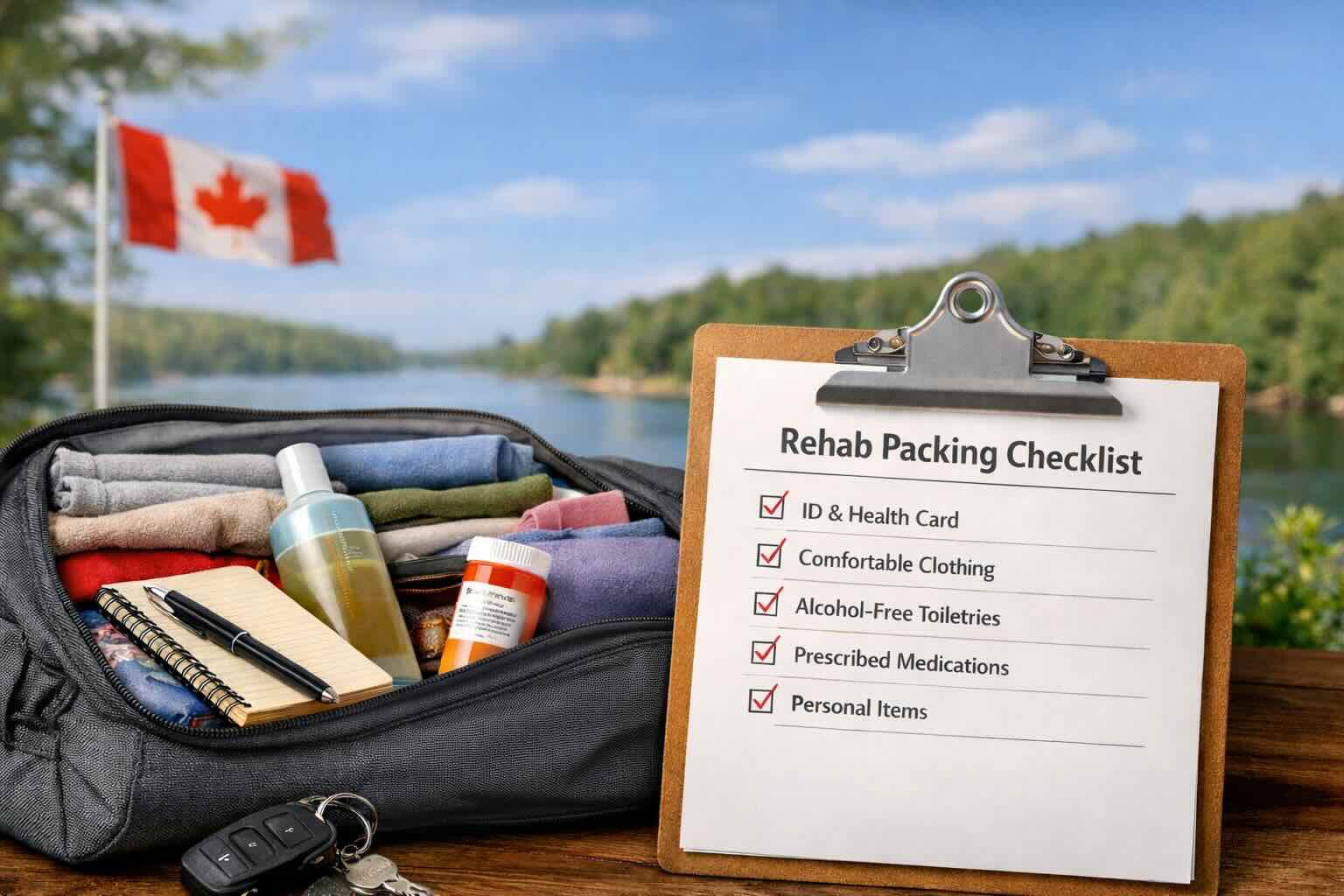
Packing for rehab can feel like a simple errand, but it often carries more weight than people expect. Clothes and toiletries are easy to list. Phones, medications and certain personal items raise harder questions. This checklist covers what most Ontario residential programs ask for, what they often restrict, and what to confirm with the admissions team before the day you arrive. Every program sets its own rules, so treat this list as a starting point and check your specific instructions.

Documents and insurance to bring
Start with paperwork, because intake depends on it. Bring these items in a single folder so they are easy to find:
- Government-issued photo identification
- Your Ontario health card, or your private insurance card if you are paying through a plan
- Admission paperwork that the centre sent you
- Emergency contact names and phone numbers
- A list of the healthcare providers involved in your care
- A written list of current diagnoses and allergies
Even if the centre already has copies on file, bring your own. Files can go missing, and intake staff change shifts. If you are unsure whether you need a document, bring it. It is easier to leave something at home than to be turned away at the door.
Some people find it useful to write a short note of what they packed and what they left with someone at home. This makes it easier to recover a forgotten item later and gives family members a clear record of what was sent. Keep the note with your admission folder, not in your bag, so it is available during intake.
Clothing and personal care
Clothing rules are usually broad. Plan for loose, modest clothing that is comfortable for group settings. Most people do well with enough outfits for about a week, since laundry is often available on site. Include comfortable sleepwear and at least one warm layer, even in summer, because indoor spaces can be cool. In winter, pack warm layers and indoor slippers. Ask whether heavy coats, boots and gloves can be kept with your belongings when you are not outside.
Avoid clothing with drug, alcohol or explicit branding, and avoid accessories that could raise safety concerns. A familiar sweater or hoodie can be grounding, as long as it meets the program's rules.
Personal care items are where many people get caught out. Many programs require toiletries to be alcohol-free, unopened and non-aerosol. This applies to products you might not expect, such as mouthwash, hand sanitizer, perfume and some lotions, because many everyday products contain alcohol even when they do not smell like it. Bring basics such as a toothbrush, toothpaste, soap, shampoo, any hair care products you need and shaving supplies if you use them. Expect staff to review these items at intake. If something is not allowed, it is usually stored or sent home.
Medications, glasses and comfort items
Medications need careful handling. Many programs ask that prescription medications stay in their original pharmacy containers with a current label. Do not move pills into organizers, combine them into one container or bring expired prescriptions. Bring a written medication list that shows each name, the dose and the schedule as your prescriber has set them. Do not change any dose or timing on your own before you arrive. If you have a question about a medication, ask your doctor or pharmacist.
Also pack glasses or contact lenses with solution, and any medical device the facility has approved. Once the basics are covered, many centres allow comfort items such as a journal, a few books, photos of family and small personal items. These can help with grounding and with managing stress during the first days. Ask the admissions team before you pack anything that might be unusual.
Items programs usually restrict
This section is the one people often read last, and it is the one that causes the most frustration at intake. Knowing the rules ahead of time prevents awkward moments.
- Phones and devices: many programs limit personal electronics during early treatment. Some allow phones after an initial period, and others allow scheduled or supervised access. Commonly restricted items include smartphones, tablets, laptops, smartwatches with messaging features and gaming systems. If staying in touch is important, ask admissions about the communication options they offer.
- Substances, supplements and scents: drugs and alcohol in any form are not allowed. Over-the-counter supplements, herbal remedies, essential oils and strongly scented products are often restricted, even when they are labelled natural. Ask about nicotine policies before you pack, because they vary.
- Logos and reading material: clothing with alcohol or drug branding is often discouraged. Materials that glamorize substance use, violence or explicit content may also be restricted, because a shared living space needs to feel neutral for everyone in it.
If you bring something that is not allowed, it is usually logged at intake and then stored on site, sent home with a family member, or returned when you leave if that is appropriate. Items that pose an immediate safety risk may not be stored at all. Staff should explain this clearly at intake.
It helps to pack in stages rather than all at once. A week or so before admission, gather your documents, write out your medication list and ask the admissions team any policy questions. A few days before, lay out clothing and toiletries and check each item against the rules you were given. On the day itself, pack last, keep your paperwork in a separate folder you can hand over at the desk, and wear the bulkiest layers you plan to bring so your bag stays lighter.
If someone else is helping you pack, give them this list and ask them to bring it to the admissions desk with you. Shared checklists reduce the chance that a document or medication is forgotten, and they make the morning of admission feel less rushed. Remember that the people helping you are there to support you, and they do not need to know every detail of your history to help you prepare.
Frequently asked questions
Can I bring my phone?
It depends on the program. Many centres restrict phones during the early phase of treatment, which can last from a few days to a couple of weeks. Some allow limited access later, often scheduled or supervised. Talk with admissions before you arrive if staying in touch with family, children or work is essential.
Will my belongings be searched?
Most residential programs search bags as part of their safety procedures. Searches are usually done privately and respectfully. Knowing this in advance can reduce the discomfort of the moment.
Can someone bring me forgotten items later?
Some centres allow drop-offs after intake, though items are usually screened before they are passed along. Others restrict this in the early phase or require advance approval. Ask the admissions team how drop-offs are handled.
When should I review this list with the admissions team?
Ideally a few days before intake, rather than the night before. Ask whether any policies have changed, what happens if you bring a prohibited item and whether the program can support the specific medications you take.
If you have questions about what to bring, you can call our admissions team at 705-429-3870 or visit our what to bring page. You can also reach out through our contact page. Packing well will not solve every worry, but it can make the first days calmer, and staff are there to help you settle in.
Related reading: Addiction rehab in Toronto.