
 Metamorphosis Centre for Change
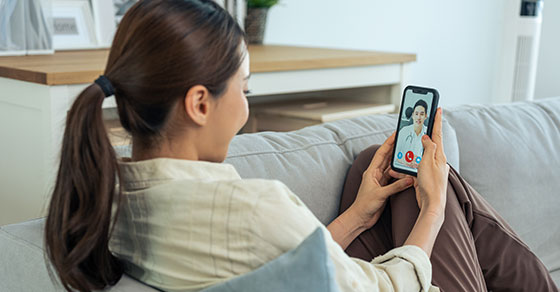
Telehealth addiction treatment uses video calls, phone calls, secure messaging, and apps to deliver counselling, group sessions, assessments, and medication follow-up from home. It can suit people who live far from a treatment centre, have busy schedules, or feel more comfortable starting from home. It is not right for everyone. How well it works depends on the severity of the problem, the home environment, comfort with technology, and the support a person has around them. This guide explains how it works and what to expect.
How Telehealth Became Part of Addiction Care
Before the COVID-19 pandemic, relatively few addiction treatment centres offered telehealth, and government rules limited its use in many places. The pandemic forced a rapid change. Restrictions were loosened so people could reach care without visiting a clinic in person, and telehealth expanded quickly. Many people found that a phone or video appointment fit into their lives in ways in-person visits did not. Virtual care also became a way to reduce the spread of infectious disease and to keep people connected when in-person options were limited.
Telehealth, which includes telemedicine and virtual healthcare, uses tools such as smartphone apps, videoconferencing, texting, and telephone calls to connect people with clinicians. In mental health and addiction care it has been used for counselling, online therapy, group sessions, psychiatry appointments, medication management, and case management. Its goals include reaching people in remote areas, reducing infection risk, coordinating care between professionals, helping people connect with medical staff, and providing advice on managing health between visits.
How Telehealth Sessions Work
Telehealth services use private online video systems to protect confidentiality. Clients are usually given personal access details for their sessions. At the Metamorphosis Centre for Change, our clinicians connect with clients one-to-one by call, messaging software, or video chat, and they use conferencing software for group therapy. Most clients use smartphones, but any device that works for you can be used.
If you are not confident with technology, our team can walk you through setup and show you how the software works before your first session. Sessions are scheduled in advance with your clinician. Ask our team about the privacy and security measures used on the platform, and they can explain how your information is protected before you begin.
Who It Suits and When In-Person Care Is Needed
Virtual outpatient care can be appropriate for people with mild to moderate substance use who have had a proper assessment by a qualified professional. Services may include group therapy, individual therapy, addiction counselling, and medication for addiction treatment prescribed by a physician. Before starting, expect an assessment that covers your substance use, mental health history, medical conditions, current medications, home environment, and goals. The results determine whether virtual care is a safe and appropriate fit.
The effectiveness of virtual care depends on the severity of the addiction, the person's environment, comfort with technology, the strength of their support network, and where they are in recovery. It may not be advisable for everyone. People at risk of serious withdrawal complications, people with unstable medical conditions, and people in an immediate safety crisis need in-person medical care. If you have severe withdrawal symptoms, signs of overdose, or thoughts of harming yourself, call 911 or go to the nearest emergency department rather than waiting for an online appointment. In Canada you can also call or text 988 for mental health crisis support.
Benefits of Online Treatment
Telehealth offers several practical advantages:
- Less stigma about being seen at a clinic. Many people do not want others to know they are struggling. Some worry about being labelled, some want to keep things private, and some value their independence.
- Anonymity. Shame often keeps people from honest reflection. Online support lets people speak openly without attaching a face to their words. It can also help people with social anxiety or people who are naturally introverted.
- Continued support between sessions. Support is available when you need it, provided you can log in and are willing to talk. That can reduce the feeling of being alone in the struggle.
- A wider support network. Some people value being able to reach a group or a peer when a craving shows up.
- Convenience. Travel, childcare, and time off work are real barriers. Treatment in your own home removes some of them.
- Safety on the road. Some people prefer not to drive in poor weather to appointments, and some find therapy safer at home when mental health symptoms are active.
- Time and money saved. Fewer trips mean lower costs and fewer reasons to skip sessions.
- A view of daily life. Video sessions can help clinicians understand a person's environment and routines.
- Care tailored to the person. People respond differently to pacing and style. Telehealth can make it easier to add support where it is needed.
- Plans for ongoing maintenance. People can combine virtual meetings, recovery forums, and sobriety apps with clinical care to build a prevention plan that fits their life.
Our Online and Hybrid Options
Our hybrid format combines two weeks of inpatient care with two weeks of online support. Inpatient clients receive two individual psychotherapy sessions each week from a Master's level registered therapist, along with individual counselling from our addiction counsellors. These sessions help people address trauma or unresolved issues that fuel addiction, handle emotional distress, work through a workbook, and replace unhealthy coping habits.
Our online services include scheduled group meetings, discussions that work on any device, consultations, assessments, medication management, and routine follow-ups. You can read more about our hybrid program and virtual outpatient services. To ask about either option, call 705-429-3870 or use our online contact form.
Starting with telehealth does not lock you in. Many people begin with a virtual option to see how it feels, then adjust as their needs change. The most important step is starting the conversation early, so a clinician can recommend the level of care that matches what you need now. If you want to begin, our team can book an initial conversation to talk through your goals and the options that fit.
Frequently Asked Questions
Is telehealth as effective as in-person treatment?
It depends on the person and the problem. Some people do well with virtual care, while others need the structure and medical support of in-person treatment. A clinician can help you decide which format fits your situation, and the answer may change as your needs change.
Do I need a strong internet connection?
A stable connection helps, especially for video. If your connection is weak, a phone call or audio-only session may work better. Ask our team what options are available before your first appointment.
Can I switch between virtual and in-person care?
Often, yes. Many people move between formats as their needs change, such as starting online and adding in-person support during a harder stretch. Your care team can recommend a higher level of support if telehealth is no longer enough, including in-person or residential care.
Written by Dr. Leonard Bienenstock, Medical Director and Addictions Doctor, M.D., CCFP
Dr. Bienenstock completed medical school at McGill University and his family medicine residency at Toronto Western Hospital. He has further training in addictions medicine and psychotherapy and serves as Medical Director at Metamorphosis Centre for Change.
Related reading: Addiction rehab in Toronto.