
 Metamorphosis Centre for Change
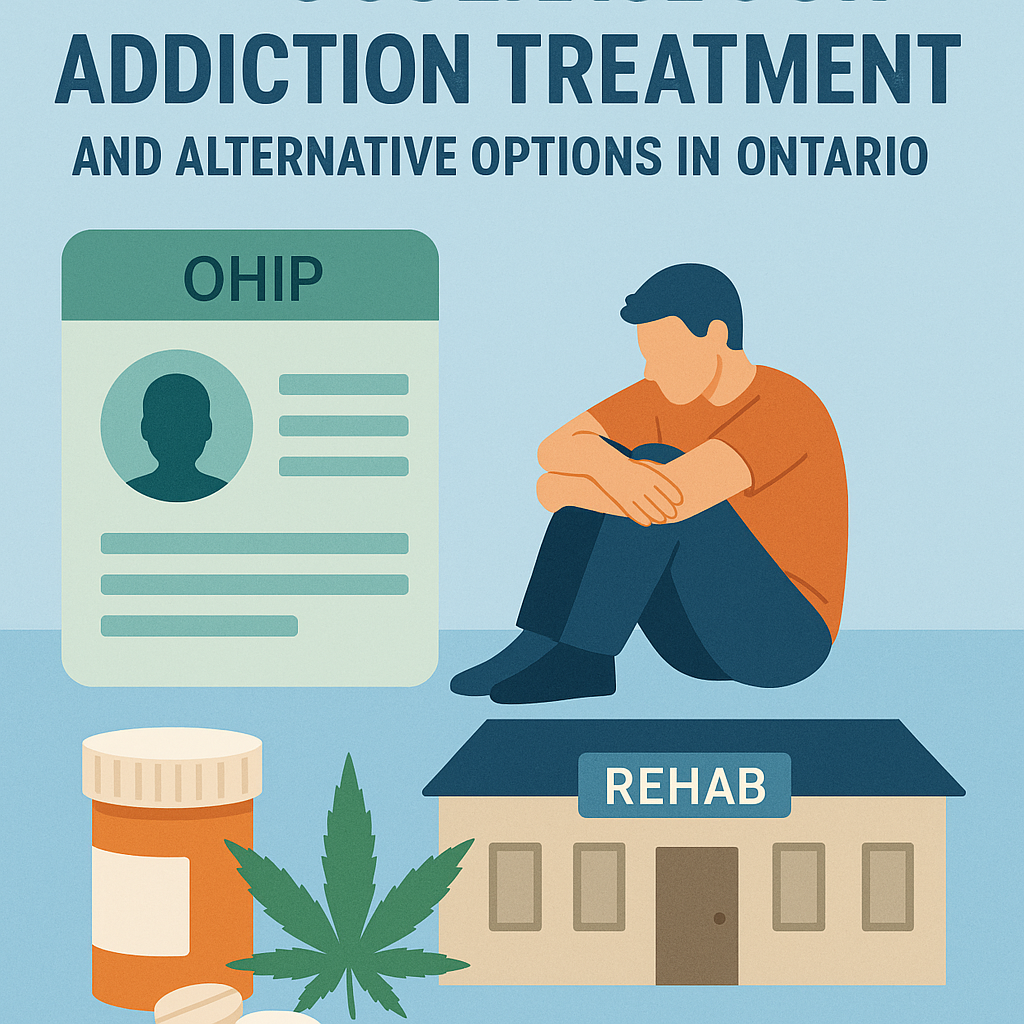
Many families ask the same question early on: does OHIP pay for addiction treatment in Ontario? The short answer is that OHIP covers some hospital and physician services connected to addiction and mental health, but it does not generally pay for the private residential programs many people have in mind. Coverage depends on the type of service, where it is delivered, and whether a physician has made a referral. This page explains how the system works in practice and which funding routes are worth checking if you need care soon.
OHIP's Stance on Addiction Rehab: Not a Blanket Coverage
OHIP is Ontario's health insurance plan. It pays for medically necessary hospital care and many physician services, and some of that care relates to substance use and mental health. It does not provide a blanket guarantee for every rehab program. Publicly funded addiction services are often hospital-based or delivered by community agencies, and access usually runs through a referral or an assessment rather than a direct private admission.
Public options are worth checking first. ConnexOntario offers free, confidential information and referral for people concerned about alcohol, drugs or gambling, at 1-866-531-2600, 24 hours a day. Staff can explain which publicly funded services exist near you and what waits look like when you call. Before you assume a service is covered, ask the program directly what it bills to OHIP and what it expects you to pay.
Hospital-Based Programs: The Pros and Cons
Hospital-based programs are often the first stop for people who cannot pay privately. Their main advantage is cost. For someone who needs withdrawal management or a short period of medical stabilization, an OHIP-covered hospital stay can be the most realistic option available.
The drawbacks are real. Programs differ in how much time they can give each client, and many are short by design. A stay built around medical safety may not include the longer therapy, family work or relapse prevention planning that some people need. Waits can also be long, especially for residential beds, and waiting is hard when you are ready to start now. If you choose a public route, plan the next step before you leave, whether that is outpatient counselling, peer support or a private program.
Private Rehab Centers: A Quality but Costly Alternative
Private residential programs usually offer more time with clinicians, a wider range of therapies and quicker access to a bed. Many also plan aftercare in advance, which matters because the weeks after discharge are when many people struggle. The trade-off is cost. Private treatment is generally paid out of pocket or through private insurance, and the price depends on length of stay, level of care and what is included.
Ask every private centre for an itemized estimate, a list of what the daily rate covers, what is billed separately, and what happens if you need to stay longer. A good provider will answer those questions plainly. For a general look at payment and planning, see our finance page.
Employer Insurance and Private Insurance: Filling the Gaps
If you have employer-provided extended health coverage, check it before you assume you must pay the full amount. Some group plans include addiction treatment, sometimes with annual limits, pre-approval requirements or restrictions on which facilities are eligible. Private insurance policies vary just as widely. Read the policy wording, ask whether the program is an approved provider, and get any pre-authorization in writing before admission.
When you call your insurer, ask four questions: is residential treatment covered, what is the daily or annual limit, does the coverage include detox as well as rehab, and what documents does the provider need from you. Keep notes of who you spoke with and the reference number for each call.
Community and Government Grants: Lesser-Known Avenues
Some community organizations and government programs offer grants or subsidies for addiction care. These are often based on financial need, and applications can take time. Eligibility rules change, so confirm current information with the organization directly. Start early, and ask what documents you will need, such as proof of income, identification or a referral letter.
Some centres also offer payment plans or sliding-scale arrangements. These are not always advertised, so ask. Our finance page is a good place to start if you are planning how to pay.
Out-of-Province Options: A Controversial Choice
Some Ontario residents look outside the province for lower-cost treatment. This can make sense for some people, but it has trade-offs. OHIP generally does not cover non-emergency care received in another province, so you may lose any public support that would otherwise apply. Quality is also harder to judge from a distance. Before you travel, confirm the program's licensing, accreditation and staff credentials, speak with the clinical team, and plan how you will transition home. Distance can also make family involvement and local aftercare harder to sustain.
Conclusion
OHIP provides a level of coverage for addiction care through hospital-based and publicly funded services, but it usually falls short of the immediate, longer and more personalized care that many people seek from private programs. Employer and private insurance, community grants and payment plans can close some of the gap. Each option has its own rules and deadlines, so work through them one at a time and keep written records. If you want help sorting out which route fits your situation, contact our team or call 705-429-3870 to talk through your options.
Frequently asked questions about OHIP coverage for addiction treatment
Does OHIP cover addiction treatment in Ontario?
OHIP covers some hospital and physician services related to addiction, but it does not generally pay for private residential rehab. Coverage depends on the service and how it is delivered, so check with the program before admission.
How do I find publicly funded addiction services?
ConnexOntario offers free, confidential information and referral at 1-866-531-2600, 24 hours a day. Your family doctor can also make referrals to publicly funded services.
Does private insurance pay for rehab?
Some employer and private plans include addiction treatment, often with limits or pre-approval rules. Read your policy and ask your insurer before you book.
Related reading: Addiction rehab in Toronto.