
 Metamorphosis Centre for Change
Seeking professional help is one of the most important steps toward recovery from addiction, and Canada offers many choices. Options range from publicly funded services to private centres, and each has different strengths. The number of choices can make the decision feel overwhelming. This article covers the factors worth weighing when selecting an addiction treatment centre, including the type of care, location, program structure, staff qualifications, cost and the person's individual needs. It is written to help you ask better questions, whichever route you choose.
Public and Private Options
Canada's healthcare landscape includes publicly funded addiction services and private treatment centres. Publicly funded facilities provide essential services at little or no cost, which makes them accessible to a wide range of people. They can, however, have waiting lists, and some may not offer every specialized program a person needs. Private centres often offer faster admission and more specialized care, but they come with a higher price tag that not everyone can meet.
Neither option is automatically the right one. A person who needs care quickly may find that a private centre is the practical choice, while someone with a lower budget and more time may do well in a public program. It is reasonable to ask both kinds of services about their waiting times, the programs they offer and what they can provide for your specific situation before you decide.
Location and Environment
The geographical location of a treatment centre can have a significant effect on recovery. Living close to family and friends can offer emotional support and make visits easier. It can also expose a person to the same people, places and routines that were part of their substance use. Some people find that a centre farther away gives them a fresh perspective and a clearer break from old patterns.
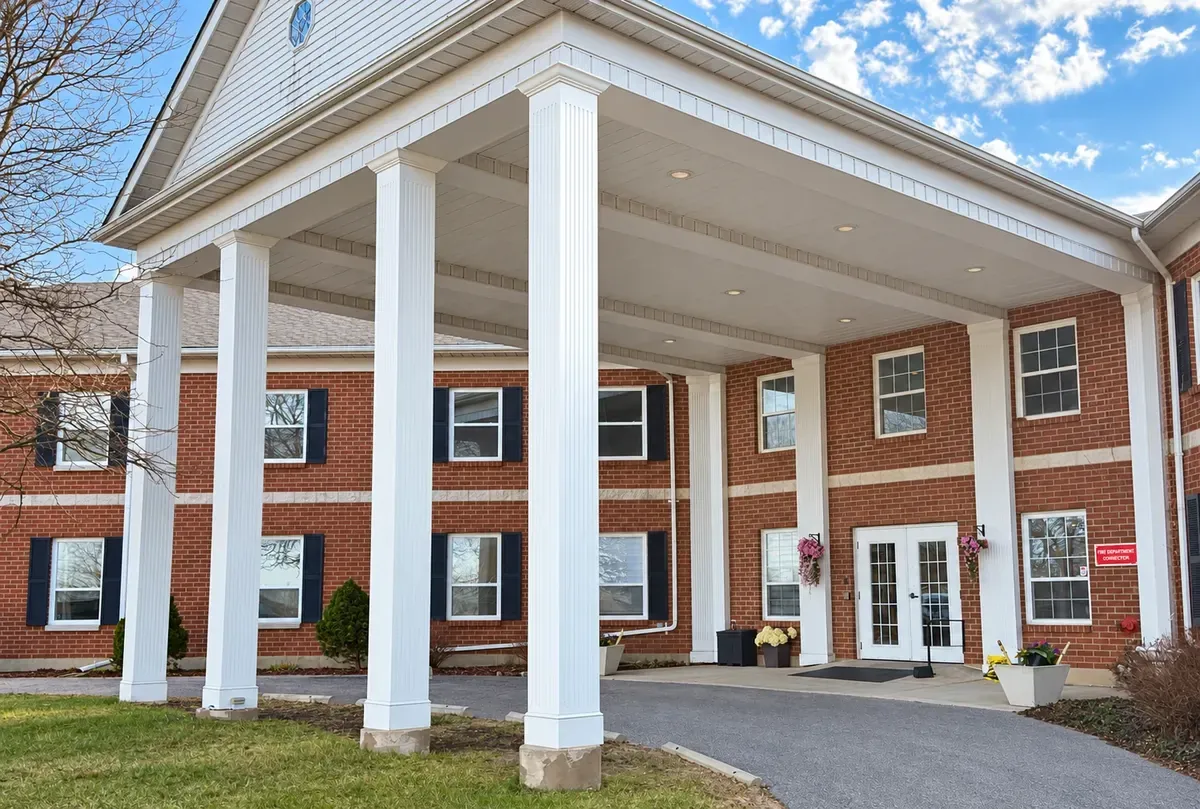
Practical factors matter too. Consider how easy it will be for family members to visit or take part in sessions, how far you would need to travel for follow-up care, and whether the setting feels safe and calm. Our centre is located in Delhi, Ontario, and our what to bring page covers what to prepare before arriving, which can help you think through the practical side of a stay.
Programs, Approach and Aftercare
Treatment centres offer a variety of programs, which can include medical detox, residential treatment, outpatient services and aftercare. The right fit depends on how severe the addiction is, whether there are co-occurring mental health conditions and what daily life looks like for the person. Our medical detox, residential treatment, hybrid program and virtual outpatient pages each describe a different form of care, so you can compare them directly.
Approach matters as well. Some centres emphasize evidence-based methods such as cognitive behavioural therapy or medication-assisted treatment. Others add complementary activities, such as nutrition guidance, physical activity or mindfulness. The most useful question is whether the approach is clearly explained, whether it is backed by a clinical plan and whether it can be adjusted to your needs.
Family involvement is another useful factor. Addiction affects the people around the person, and some centres offer family sessions and education. Our family support program describes how families can take part. Aftercare is equally important, because recovery continues long after the initial stay. Our aftercare page explains how ongoing support is structured. Ask any centre what happens once the program ends, who will be responsible for follow-up and how relapse is handled if it occurs.
Some warning signs deserve attention before you commit. Be cautious of any centre that promises a guaranteed cure, pressures you to sign quickly, avoids questions about fees or refuses to explain its methods. A reputable centre should be willing to talk through its assessment process, its discharge planning and how it measures progress, without making claims it cannot back up.
Staff Credentials and Accreditation
Trust in a healthcare provider is central to successful treatment. Ask who will be providing your care, what their qualifications are and how the team works together. Find out whether physicians, nurses and counsellors are involved in assessment and care planning, and how withdrawal and other medical needs are managed.
Some centres hold accreditation from recognized organizations. If a centre mentions accreditation, ask which body granted it, when it was last reviewed and whether it covers the services you need. Then check that information directly with the organization, rather than relying only on the centre's own description. Accreditation is one useful signal, but it does not replace a conversation about the specific care you would receive.
Waiting times deserve a direct question. Ask each service for its current wait, what happens while you wait, and whether there is a way to be placed on a list for a different program if needed. Information about waits changes over time, so a number on a website may be out of date. Calling the intake team is usually the most reliable way to find out.
Cost, Insurance and Payment
Cost is a vital consideration, particularly for private centres. Ask for a clear written breakdown of fees, what they cover and what they do not. Some treatment facilities offer payment plans or sliding scale fees based on income. Public healthcare covers many essential services, although specialized programs may come at an additional cost. Some personal or employer health insurance plans cover parts of addiction treatment, so it is worth checking your policy and speaking with the insurer before you commit. Our finance page is a useful place to start if cost is a concern.
A practical way to decide is to build a short list of two or three options. Call each one, ask the same set of questions and compare the answers. If you can visit, do so, and notice how staff speak to people and whether the environment feels respectful. Write down what you learn, and bring the notes to a conversation with your doctor, who can help you weigh the options against your health history.
It is also worth asking what happens if a person needs to leave early or needs a different level of care partway through. A clear answer to that question shows how the centre plans for real life, where people do not always progress in a straight line.
Frequently Asked Questions
Is a publicly funded program always better than a private one?
No. The better choice depends on the person's medical needs, how quickly care is required, the specific programs available and the budget. Some people do very well in publicly funded services, while others need the speed or specialized options that a private centre can provide.
What should I ask a treatment centre before admission?
Useful questions include who will provide care, what a typical day looks like, how medical needs and withdrawal are handled, how families are involved, what aftercare is included and what all the costs are. A good centre will answer these questions openly and put the answers in writing where possible.
Can my doctor help me choose?
Yes. A family doctor or addiction specialist can help you assess your needs, explain the different levels of care and suggest options that fit your health history. You can also reach our team through the contact page or call 705-429-3870 to ask about our programs at any stage of your decision.
Related reading: Addiction rehab in Toronto.