
 Metamorphosis Centre for Change
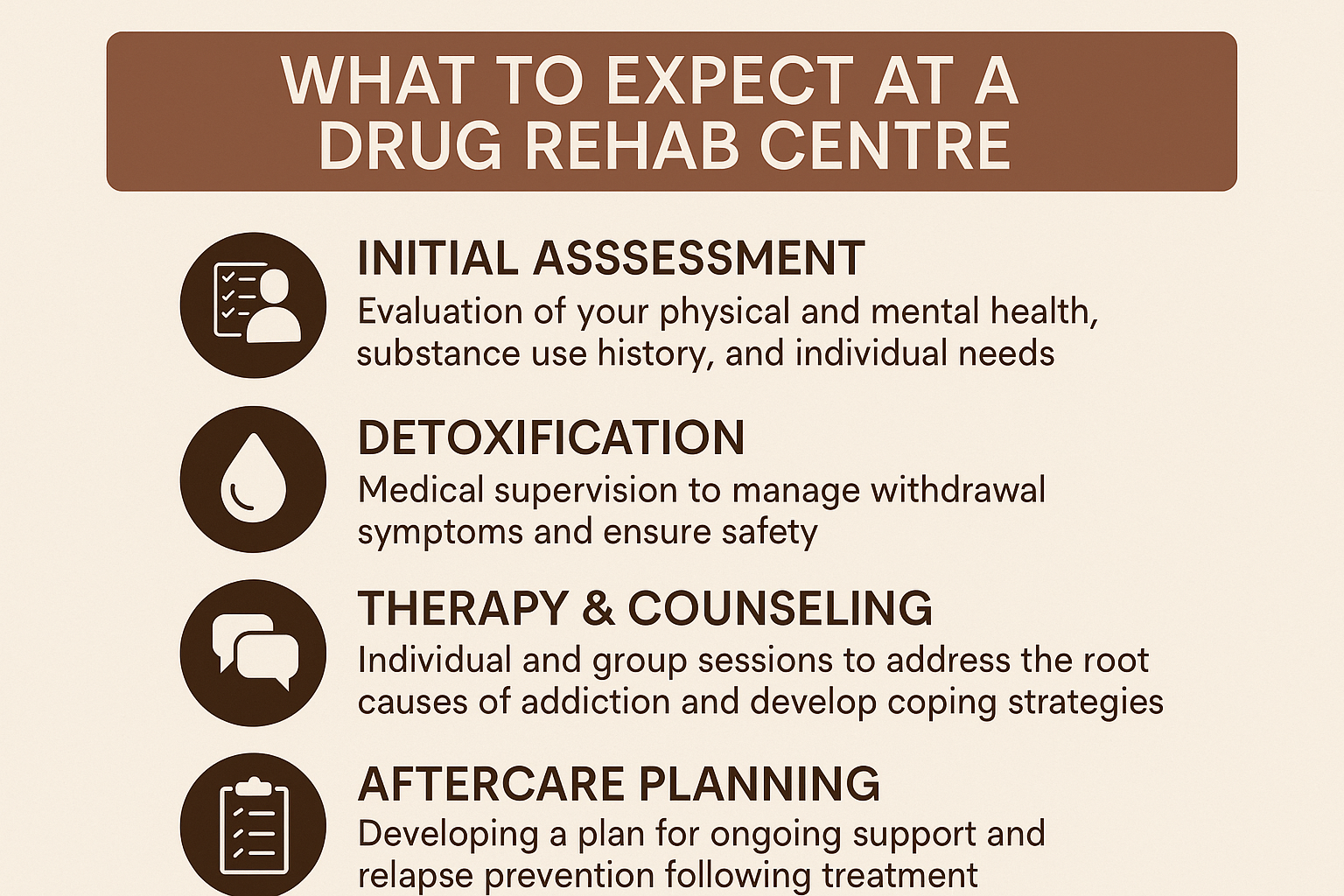
Walking into an addiction treatment centre for the first time can feel intimidating. Many people worry about being judged, about what the process will involve, or about leaving familiar surroundings for something new. Knowing what usually happens can make that first step easier. This article describes the typical stages of a residential stay, from intake and assessment through daily routines, therapy, family involvement and discharge planning. Every centre runs its own program, so the details will vary, but the general shape is similar across most reputable settings.
Intake and Assessment
Most stays begin with intake. On arrival, staff usually review the person's history of substance use, previous treatment, medical conditions, current medications, mental health and family situation. They may also ask about recent use and any withdrawal symptoms. This assessment helps the team understand the nature and extent of the addiction and whether other conditions need attention. It is also the point where safety concerns are identified, so being honest at this stage makes the rest of the plan more accurate.
Intake also includes paperwork. This typically covers consent forms, privacy information, program rules and a clear outline of expectations. The administrative side can feel overwhelming, but it protects both the person and the program, and it sets out what the stay will involve. It is reasonable to ask questions about anything that is unclear before signing. Many centres also provide a list of what to bring and what is not allowed, which can help reduce stress on arrival. Our what to bring page gives a general overview of items to think about before a stay.
If withdrawal is a concern, the intake team may recommend medical detox before the rest of the program begins. Detox and residential treatment are different stages, and the right sequence depends on the person's needs. Our medical detox program explains how that phase is managed.
The first days are often the hardest. Sleep may be disrupted, cravings can be strong, and it can take time to adjust to a new environment and new people. Staff generally expect this and check in regularly to see how someone is coping. Telling a staff member about physical discomfort, low mood or sudden thoughts of self-harm is important, and those concerns are taken seriously. Medical emergencies are handled by medical staff and, when needed, by emergency services.
A Structured Daily Routine
One of the hallmarks of residential treatment is structure. Days often include a mix of individual therapy, group sessions, education about addiction, recreation, meals and rest. Structure reduces the amount of unplanned time that can lead to cravings or old habits. It also gives people a chance to rebuild a sense of rhythm after a period of disorder in sleep, eating and daily responsibilities.
Medication, where it is part of the plan, is usually given according to a physician's orders and reviewed regularly. Staff track these schedules carefully so that doses are given correctly and changes are documented. Any questions about medication should go to the medical team rather than being decided informally between residents or family members.
Structure also teaches practical skills. Keeping to a schedule, following house rules, contributing to shared spaces and communicating with staff and peers can all be part of learning to live with responsibility again. Many people find that these routines feel unfamiliar at first and become easier over time.
Recreation and wellness activities are often included as well. Physical activity, creative expression and time outdoors, where the setting allows, can give people healthier ways to spend their time and manage stress. These activities complement clinical care rather than replacing it.
Therapy, Groups and Family Involvement
Treatment centres use a range of therapeutic approaches. Cognitive behavioural therapy (CBT) helps people identify the thoughts and situations that lead to use and practise different responses. Dialectical behaviour therapy (DBT) focuses on managing intense emotions, tolerating distress and improving relationships. Other programs may use motivational interviewing, trauma-focused work, or holistic activities such as art, music or physical exercise. The right combination depends on the individual, and a good team will explain its reasoning.
Group therapy is often central. In group sessions, people share experiences, practise communication and offer each other support that may be hard to find elsewhere. Hearing others describe similar struggles can reduce isolation and shame. Groups also require respect, confidentiality and a willingness to take part, and staff usually help set those expectations.
Individual sessions give space for more personal work, such as examining past experiences, addressing mental health concerns or planning for specific challenges. Progress is usually reviewed with the clinical team, and the plan is adjusted as needs change.
Family involvement is another common element. Addiction affects loved ones as well, and many centres offer family sessions to share information, repair relationships and build support skills. Families can learn about addiction, how to set boundaries and how to respond to a relapse without blame. More information is available on our family support page.
Measuring progress is part of the process too. Rather than relying only on how a person feels on a given day, teams often look at participation, sleep, mood, relationships and goals over time. Milestones are celebrated, and setbacks are discussed openly as information for the next step. Some people find it helpful to keep personal progress notes to bring into sessions.
Aftercare Planning and Discharge
Before discharge, a comprehensive aftercare plan is usually developed. It may include outpatient therapy appointments, support group meetings, follow-up with a physician, and arrangements for housing, work or school. Some centres also offer alumni services, such as check-ins and community events that help people stay connected after treatment.
Good discharge planning starts early. Clinicians and the person work together to identify triggers, set realistic goals, and name people who will provide support. A plan that is written down and shared with the person's family, with their consent, is easier to follow when stress returns.
The transition home can be challenging. Daily life, old relationships and responsibilities can all test recovery. Staying in contact with the aftercare team, attending scheduled appointments and reaching out early when difficulties arise are among the most protective steps. Information about ongoing support is outlined on our aftercare page, and the residential treatment page describes the structure of a stay.
Before choosing a centre, it helps to ask how intake works, who will be on the care team, what a typical week includes, how families are involved, and how aftercare is arranged. Clear answers are a reasonable expectation. A program that welcomes these questions is often one that stays transparent during treatment as well, and you should feel free to ask them by phone or in person.
Frequently Asked Questions
How long does a stay at a treatment centre last?
Length of stay depends on clinical need, the type of program, and the person's progress and goals. Clinicians set expectations during intake and review them over time. Ask the admissions team what is typical for the program you are considering.
Can I have contact with family during treatment?
Many programs allow some form of contact, often with rules about timing, phone use and visits. Policies differ, so ask the centre how communication works. Family sessions may also be part of the plan.
What should I do if I am nervous about going?
Nervousness is common and does not mean the decision is wrong. Write down your questions, ask the team what to expect, and consider talking with a trusted person before you arrive. If you want to learn more, you can contact us or call 705-429-3870.