
 Metamorphosis Centre for Change
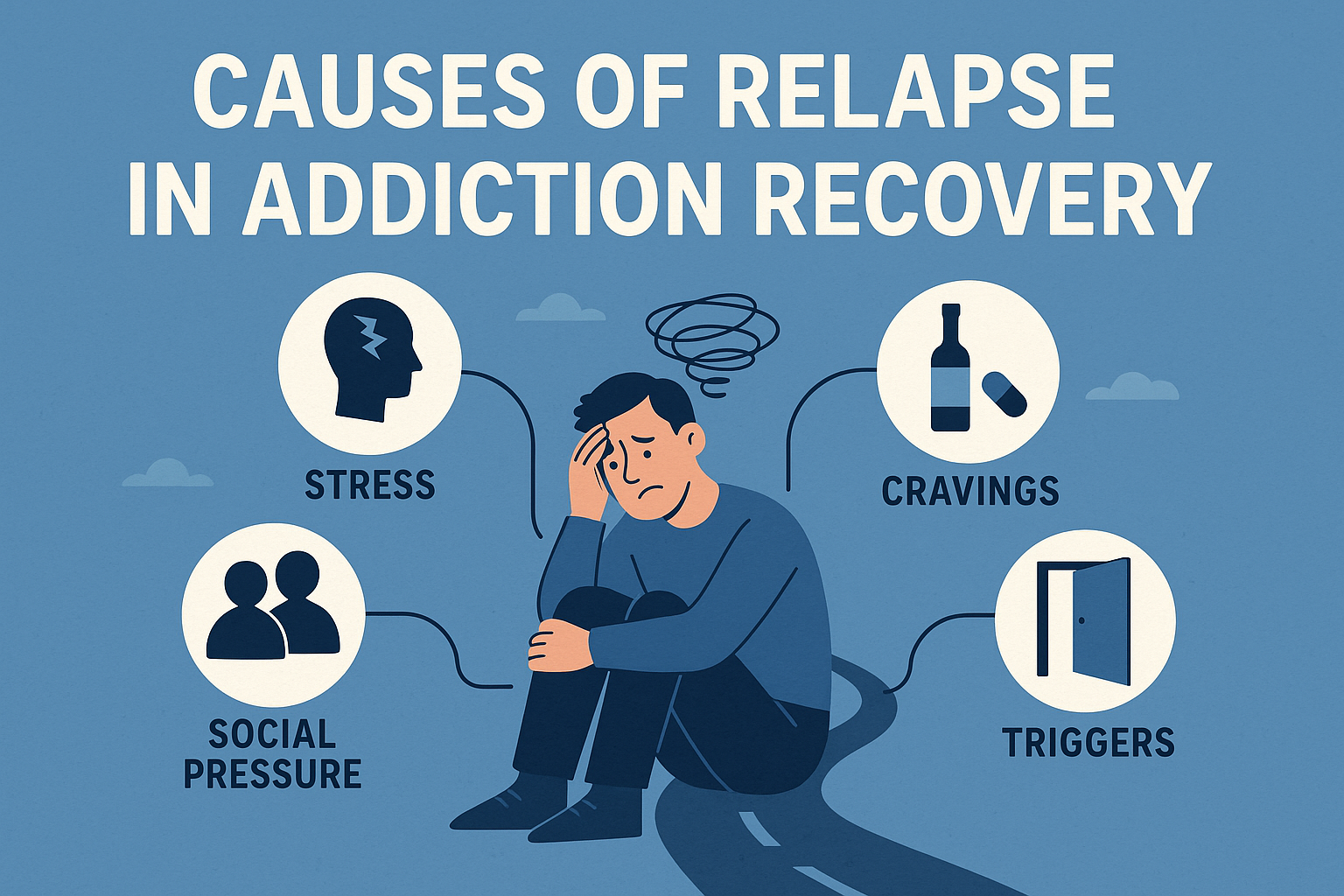
Recovery from addiction is rarely a straight line. Many people who work hard at it experience setbacks, and some return to substance use after a period of stability. A relapse does not erase progress, and it does not prove that treatment failed. It does point to triggers that deserve attention. This article describes the most common causes of relapse, explains why they matter, and suggests practical ways to plan for them. Understanding these patterns can help people and their families respond early, before a slip grows into a longer return to use.
Stress and Emotional Triggers
Stress is one of the most common triggers. Pressure from work, relationships, money or health problems can make relief seem urgent, and for someone with a history of substance use, the familiar habit may come to mind first. Stress is a normal part of life, so the goal is not to eliminate it. The goal is to build healthier ways to recover from it, such as regular exercise, sleep, time outdoors, or talking with someone trusted.
Emotional states can be just as powerful. Strong positive feelings, such as celebrating a milestone or a wedding, can create a sense that a single drink or dose is harmless. Painful feelings, such as grief, loneliness or shame, can make the urge to escape feel overwhelming. Both extremes can unsettle the balance that recovery depends on. Noticing mood shifts early and talking them through with a counsellor or peer group can give someone time to respond before a choice is made.
Some people also carry unresolved mental health concerns into recovery. Depression, anxiety and trauma symptoms can increase cravings or make everyday stress harder to manage. When these conditions are present, they deserve their own assessment and treatment rather than being left to fade on their own.
Sleep deserves special mention. Poor sleep increases irritability and makes stress feel heavier, and many people in early recovery have sleep disruption. Talking with a doctor about sleep problems, rather than trying to manage them with substances, is a practical step.
Social Settings and Old Routines
The people and places around someone in recovery matter a great deal. Peer pressure, social gatherings where substance use is normal, and contact with people who still use can all make cravings stronger. Routines can be a trigger too. Driving past a familiar bar, returning to a neighbourhood where use was frequent, or keeping old habits tied to a particular time of day may bring back old patterns with little warning.
Recovery often involves changing these environments, at least for a while. That may mean limiting contact with people who encourage use, choosing new places to spend time, or setting firm boundaries at events where alcohol or drugs are present. It is reasonable to plan an exit strategy before attending any gathering, including a trusted person to call and a clear reason to leave.
Supportive relationships are equally important. Friends, family members and peers who understand recovery can offer encouragement without pressure. Some people find that rebuilding these connections takes time, and that is normal. Peer support groups can be a useful starting point when close relationships are still fragile.
Coping Skills, Overconfidence and Complacency
Many people in recovery have not yet built the coping skills needed for the emotional and practical demands of everyday life. Without those skills, old habits can seem like the only way to manage a hard day. Learning to name feelings, ask for help, tolerate discomfort and solve problems step by step takes practice. Therapy, group work and structured routines are often where these skills develop.
Overconfidence is a less obvious risk. Milestones can bring real pride, but they can also produce thoughts such as one drink will not hurt or I have it under control now. These beliefs can lower a person's guard and lead to decisions made without planning. A healthy balance involves respecting the progress already made while staying alert to the possibility of a slip.
Complacency can build quietly when life feels settled. Missed meetings, skipped check-ins and shrinking support networks often come before a relapse. Noticing these small changes early, and reaching out when they appear, is one of the most practical protections available.
Aftercare and Ongoing Support
Completing an initial treatment program is an important achievement, but it is not the end of recovery. Continuing to engage with aftercare services such as counselling, support groups and check-ins with a clinician is critical. Disengagement from these structures can increase vulnerability, especially in the months after discharge, when routines are changing and support may feel less visible.
Aftercare plans work best when they are specific. A plan might name the therapist or group a person will attend, the days and times of appointments, the people they will contact during a craving, and what they will do if they miss a session. Reviewing the plan regularly and updating it as life changes helps keep it useful. Our aftercare program page describes the kinds of ongoing support that can follow treatment.
Relapse prevention work is often most effective when it is practiced before it is needed. Rehearsing responses to likely triggers, such as a stressful phone call or an invitation to a party, can make real situations less overwhelming.
Recovery also includes learning from a relapse without shame. Shame tends to push people away from help and toward isolation, which is exactly the environment where triggers grow stronger. A calm review of what happened, what came before it, and what would help next time is far more useful than a verdict on character. Many clinicians treat each relapse as information for updating the plan.
Planning Ahead for High-Risk Moments
A personal relapse prevention plan can help people respond to high-risk moments with less guesswork. Useful elements include a list of personal triggers, early warning signs such as sleep changes or isolation, a set of coping steps to try first, and the names and numbers of people to call. The plan should also say what to do if use happens. A slip does not have to become a full return to use, and reaching out quickly is usually better than hiding it.
If a person uses a substance after a period of abstinence, the risk of overdose can be higher than it was before, because tolerance may have dropped. Anyone who has used, and especially anyone who may have taken a stronger or unknown substance, should seek medical help. For a medical emergency, call 911 or your local emergency number immediately.
Families can help by learning these warning signs, avoiding blame, and encouraging the person to return to their care team. Calm, specific conversations tend to work better than accusations. If you are looking for support on the next steps, you can reach out to our team or call 705-429-3870.
Frequently Asked Questions
Does relapse mean treatment did not work?
No. Relapse is a common part of many people's recovery, and it often provides useful information about triggers and gaps in the plan. What matters most is how quickly the person reconnects with support and adjusts their approach.
What is the difference between a slip and a relapse?
A slip is a single use or a brief lapse, while relapse usually means a return to regular use over a period of time. The distinction matters because a slip can be addressed quickly before it grows. Both deserve an honest discussion with a clinician or support group.
How can I tell if someone I love is at risk of relapse?
Watch for changes such as withdrawing from support, skipping meetings, sleeping poorly, sudden secrecy, money problems or new contact with people linked to past use. Ask direct, caring questions and offer to help them contact their care team. If you believe they are in danger, call 911 or your local emergency number.