
 Metamorphosis Centre for Change
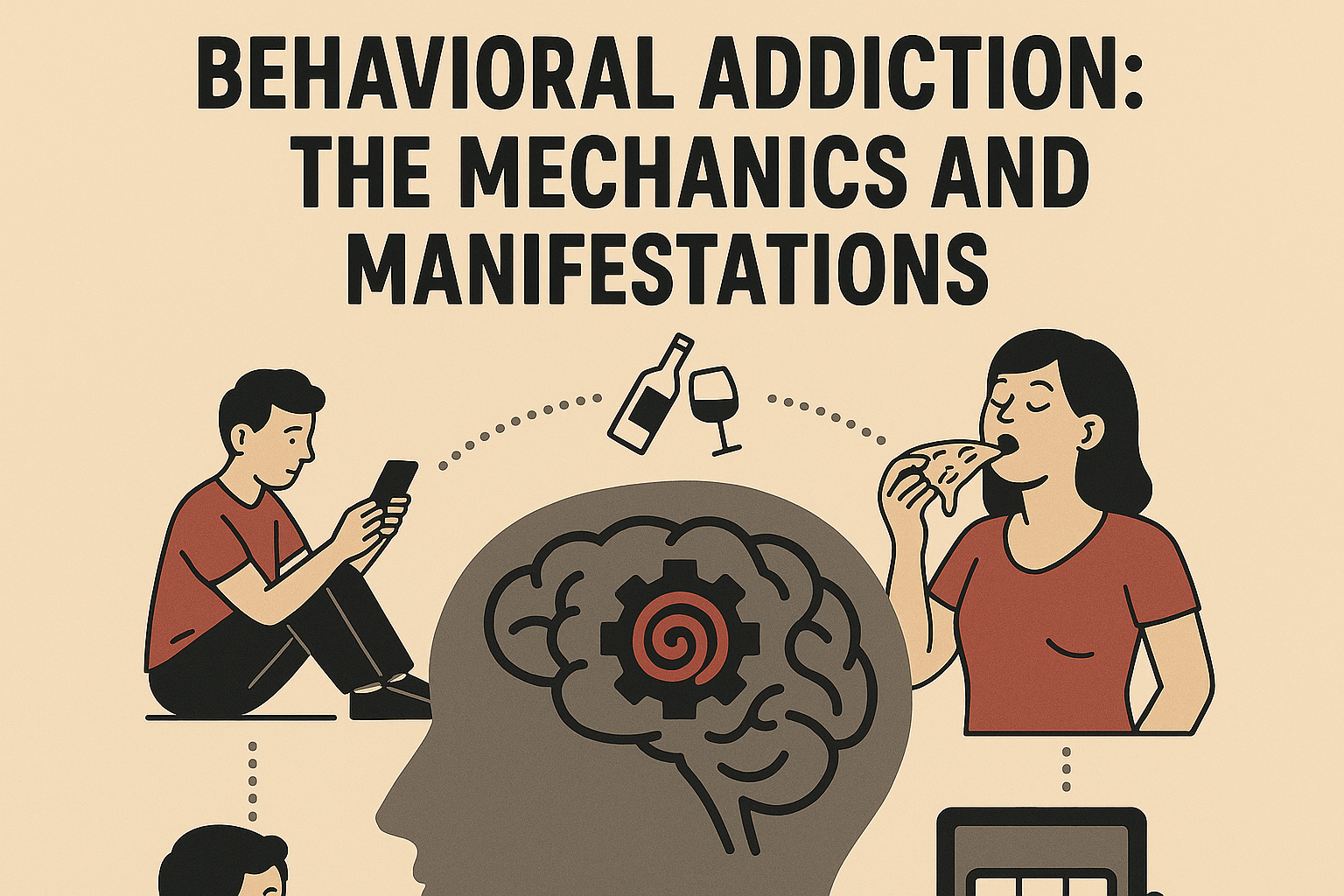
When people hear the word addiction, they usually think of alcohol, drugs or tobacco. Behavioral addiction is a different kind of dependency. It involves a repeated behavior, such as gambling, gaming, shopping, eating or exercise, that continues despite clear harm and that becomes hard to control. This page explains how behavioral addiction develops, the brain pathways involved, common forms, the signs families and individuals tend to miss, and the treatment approaches that are used.
Defining Behavioral Addiction: More than a Habit
A habit is something you do without much thought. A behavioral addiction is different because the behavior takes up more and more space in a person's life while it becomes less satisfying. Someone may gamble with money they need for rent, spend hours gaming after they promised to stop, or keep shopping after the bills arrive. The activity usually provides a short lift in mood or relief from stress, and the relief fades quickly, which can push the person to repeat the behavior more often.
Behavioral addiction does not depend on a chemical substance, but it shares many features with substance dependence. These include loss of control, continued use despite negative consequences, and withdrawal-like discomfort when the behavior is stopped. Irritability, restlessness and low mood are common when someone tries to cut back.
The Brain's Reward Circuitry: An Unwitting Accomplice
The brain's reward system evolved to encourage behaviors that support survival, such as eating, social connection and rest. Activities that feel rewarding trigger the release of dopamine and other chemical messengers, which teaches the brain to repeat them. Behavioral addiction can take advantage of that same learning process. Unpredictable rewards, such as a win at a slot machine or a notification from a game, can be especially powerful because the brain keeps looking for the next payoff.
Over time, the brain can start to expect the reward and respond more strongly to cues, such as a phone sound, a betting app or a shopping website. This is one reason why people with behavioral addictions often describe strong urges even when they are not enjoying the activity. The pattern is not a character flaw. It is a learning process that has been pushed too far.
Common Types of Behavioral Addiction: A Varied Landscape
Behavioral addiction can take many forms. Gambling is one of the most widely recognized, and it can be fueled by online betting platforms that are available at any hour. Gaming disorder involves continued, escalating play that damages sleep, school, work or relationships. Compulsive shopping, internet use, pornography use, and compulsive eating or exercise are other patterns that clinicians and support groups see regularly.
Exercise is worth mentioning because it is usually seen as healthy. When training becomes rigid, is used to avoid feelings, or continues through injury and illness, it can cross into a problem. The common thread is not the activity itself. It is the loss of choice and the harm that follows.
Subtle Signs and Symptoms: Not Always Easy to Spot
Unlike substance use, behavioral addiction often leaves few physical signs. Families may notice money going missing, unexplained debt, late nights, or a person who seems to be always on a device. The person may also insist they can stop whenever they want. Key indicators include neglecting responsibilities or relationships, repeated unsuccessful attempts to cut back, and a preoccupation with the activity that crowds out almost everything else.
Emotional signs can be just as telling. Irritability, restlessness and social withdrawal often appear when the behavior is not possible. Shame and secrecy are also common, so the person may hide how much time or money is involved. If you notice several of these patterns together, it is reasonable to raise the concern gently and suggest an assessment.
Treating Behavioral Addiction: A Holistic Approach
There is no single medication that treats every behavioral addiction, so treatment usually relies on psychological approaches. Cognitive behavioural therapy is commonly used to identify triggers, examine the thoughts that lead to the behavior, and build alternative coping skills. Motivational approaches can help people decide to change, and relapse prevention planning helps them prepare for high-risk situations. Group support and family involvement can also be valuable.
When a person also has depression, anxiety, trauma or another mental health condition, those problems need attention too. A prescriber may consider medication for an underlying condition, and any medication decision should be made with a doctor or pharmacist who knows the full history.
Prevention and Awareness: The First Line of Defense
Prevention starts with awareness, both in recognizing that behavioral addiction exists and in noticing early signs in oneself or others. Setting limits on time and money, using tools that block or cap gambling or gaming, and keeping regular activities that do not revolve around screens or betting can help. Talking openly about stress and boredom also reduces the chance that the behavior becomes a default coping tool.
Early help matters because the pattern tends to grow slowly. A conversation with a family doctor, counsellor or addiction specialist can clarify whether the concern is a passing phase or a pattern that needs support.
Conclusion
Behavioral addiction extends the idea of addiction beyond chemical substances. It involves a reward system that can be trained toward a repeated behavior, and it can carry psychological, financial and relational costs that are just as serious as those of drug or alcohol dependence. Recognizing the signs early, using evidence-based therapy and addressing any co-occurring mental health concerns give people the best chance of regaining control. If this sounds familiar, you can reach out to our team or call 705-429-3870 to discuss next steps.
Frequently asked questions about behavioral addiction
Is behavioral addiction a real addiction?
Behavioral addiction is recognized by clinicians as a form of addictive disorder when a repeated behavior becomes hard to control and continues despite harm. Gambling disorder is the most established example.
How is behavioral addiction different from a strong hobby?
A hobby usually fits into a person's life and can be set aside. A behavioral addiction keeps growing, causes harm, and is hard to stop even when the person wants to.
Can behavioral addiction be treated?
Yes. Psychological treatment, including cognitive behavioural therapy and relapse prevention, is the main approach. Treating any co-occurring mental health condition is an important part of recovery.
Related reading: Addiction rehab in Toronto.