
 Metamorphosis Centre for Change
Choosing a treatment centre is a personal decision, and the options can feel overwhelming. Public addiction services provide important care and are designed to be accessible, but they can face waitlists, limited resources, and rigid processes. Private addiction treatment centres offer another route. Their main strengths are often individualized planning, more privacy, a wider range of therapies, and structured aftercare. This guide explains what those features can look like in practice and what questions to ask so you can judge whether a centre fits your needs.
Individualized Care Plans
One of the main reasons families look at private centres is the chance to build a treatment plan around one person. A personalized plan is designed to address the specific challenges, triggers, and goals of each client, rather than applying one standard program to everyone.
Several factors can shape that plan, including a history of trauma, co-occurring mental health conditions, family history of addiction, and the level of support available at home. When those factors are considered from the start, treatment can focus on what is most likely to help. Plans can also be adjusted as the person progresses. The type of therapy, the frequency of sessions, and the overall length of care can all change over time.
At Metamorphosis Centre for Change, treatment plans are developed with the client and, where appropriate, with family. The aim is to make sure the person and their loved ones understand the plan and can take part in its review.
A plan is most useful when the client understands it. Ask to see how goals are written, what progress will look like, and how the team will respond if something is not working. Plans written in plain language are easier to follow at home, and they give families a shared reference point during treatment.
Staff Attention and Supervision
Private programs often describe closer attention from their teams, with more opportunities for one-on-one contact between clients and clinicians. That kind of attention can make it easier to notice early warning signs, respond quickly to difficult moments, and build a working relationship over time.
Staffing levels vary between centres, and the details matter. When you visit or call, ask how many clinical staff are assigned to each client, how often you will meet with your clinician, and who is available after hours. Clear answers to those questions tell you more than any general claim about attention or care.
Many people also want to know how staff communicate with families. Ask how updates are shared, what consent is needed, and who the main contact will be. Clear communication helps everyone understand what is happening and reduces the stress of waiting for news.
Evidence-Based Therapies and Medical Support
Private centres often integrate a broad range of evidence-based approaches. The right mix depends on the person, but a comprehensive program may draw on several of the following:
- Cognitive behavioural therapy (CBT)
- Dialectical behaviour therapy (DBT)
- Acceptance and commitment therapy (ACT)
- Motivational interviewing (MI)
- Mindfulness-based relapse prevention (MBRP)
- Family therapy
- Medication-assisted treatment (MAT), when a physician recommends it
- Eye movement desensitization and reprocessing (EMDR) therapy
- Art and music therapy
- Neurotherapy
Some centres also use approaches tailored to gender, culture, or specific life circumstances. Ask how each therapy is chosen, who decides whether it is appropriate, and how progress is measured. Medication decisions should always involve a physician who knows your health history.
Metamorphosis Centre for Change offers a range of these therapies for substance-related and behavioural addictions, as well as co-occurring mental health concerns. For more detail on specific substances, you can read our alcohol addiction, cocaine addiction, and marijuana addiction treatment pages.
Privacy, Comfort, and Everyday Amenities
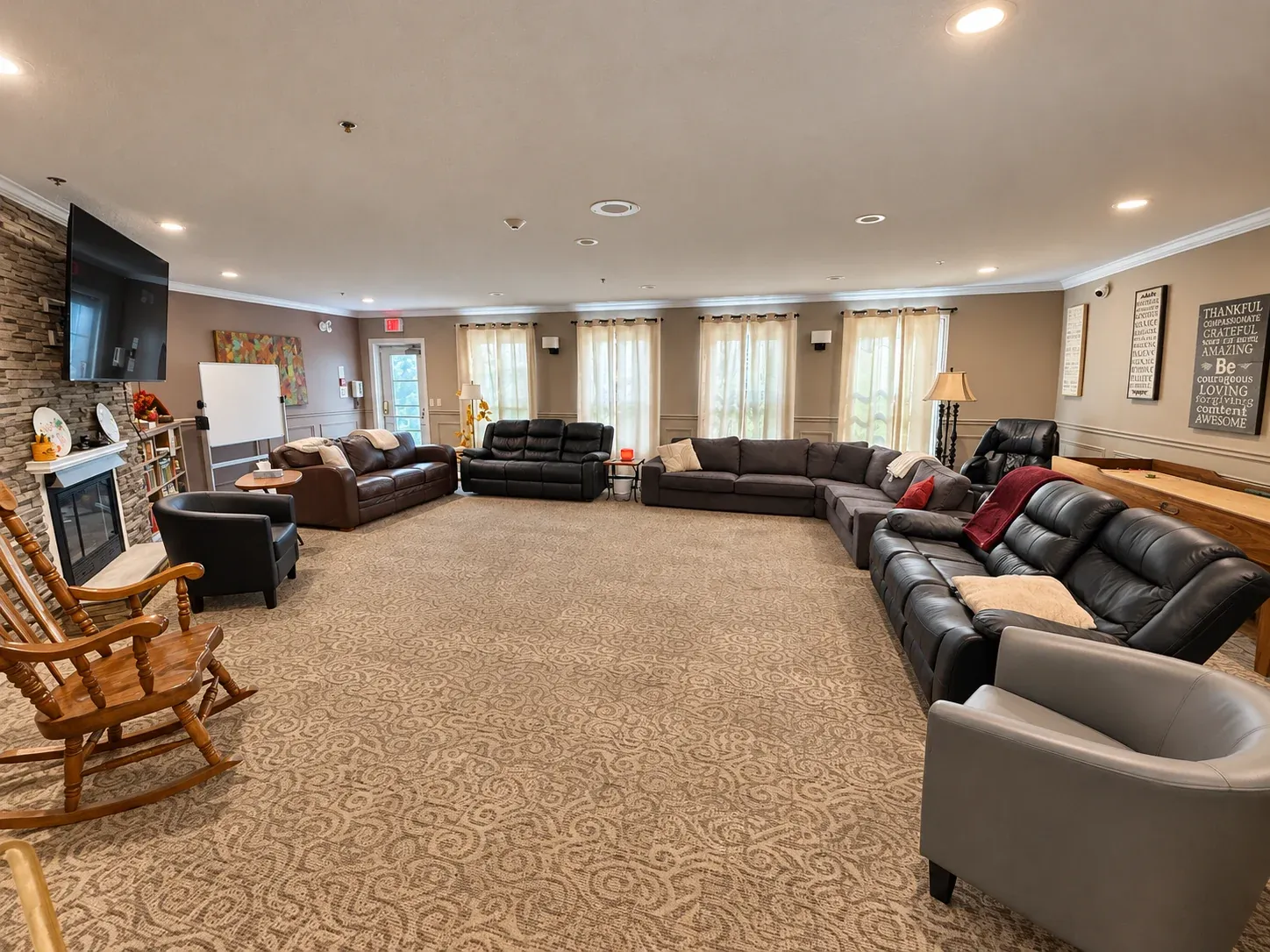
Privacy and comfort are common reasons people choose a private centre. Private rooms can make it easier to rest, reflect, and feel safe, especially for people who value discretion. At Metamorphosis Centre for Change, private rooms include a private three-piece ensuite bathroom and individual climate control. The facility is located about two minutes from the beach, and it is designed to feel calm and welcoming rather than clinical.
Comfort also includes everyday routines. Well-prepared meals, calm outdoor spaces, and access to recreation can support physical and emotional well-being during treatment. Metamorphosis Centre for Change offers medical support, talk therapy, beach access, acupuncture, massage therapy, yoga, tai chi, a gym, art and music therapy, outdoor adventure therapy, and equine therapy. These activities are meant to support clients in building self-awareness, focus, and healthier habits, all within an alcohol- and drug-free environment. For more on how the program fits together, see residential treatment, and for practical planning, see what to bring.
Privacy also applies to personal information. Ask how records are stored, who can access them, and what consent is required before anyone outside the treatment team is contacted. These are reasonable questions for any centre to answer clearly.
Aftercare That Continues After Treatment
Recovery does not end when a program ends. Many people find the first weeks after treatment especially demanding, because daily routines, relationships, and stress all return at once. Strong private programs plan for that transition early, with aftercare that starts before discharge and continues afterward.
Metamorphosis Centre for Change offers an Aftercare for Life Program. It includes weekly online group therapy, one-on-one addiction counselling, and relapse prevention support, with the goal of helping clients use what they learned in daily life. Our aftercare page explains the structure in more detail.
Families also play a role. Our family support program helps loved ones understand addiction and their part in recovery.
Aftercare works best when it is planned with the client rather than handed over at discharge. A clear plan for the first month can include follow-up appointments, support group schedules, and a list of people to contact when cravings or stress increase.
Frequently Asked Questions
What makes a private treatment centre different from a public one?
Private centres often focus on individualized planning, more privacy, and a broader set of therapy and amenity options. Public services provide essential care and can be a good fit for many people. The right choice depends on your needs, your timing, and what is available where you live.
When comparing options, look at the whole picture: the clinical team, the treatment approach, the location, the cost, and how well the program fits your work, family, and schedule. Write down your priorities before you call, so you can compare centres on the same terms.
Does personalized care guarantee better results?
No treatment can guarantee results. Personalized care aims to match the plan to the person, which can make it easier to stay engaged. Outcomes depend on many factors, including motivation, mental health, support at home, and follow-up care after treatment.
What should I ask a centre before choosing it?
Ask who will treat you, how the plan is built and reviewed, which therapies are offered and why, how medical care is handled, and what aftercare includes. Also ask about staffing, after-hours support, and how family members are involved.
How do I learn whether Metamorphosis Centre for Change is a good fit?
Start with a conversation. Call our admissions team at 705-429-3870 or send your questions through our contact page. A member of our team can explain the process and answer your questions with no pressure to commit.
Written by Dr. Leonard Bienenstock, Medical Director / Addictions Doctor, M.D., CCFP
Dr. Bienenstock completed medical school at McGill University and his family medicine residency at Toronto Western Hospital. He has further training in addictions medicine and psychotherapy and serves as Medical Director at Metamorphosis Centre for Change.