
 Metamorphosis Centre for Change
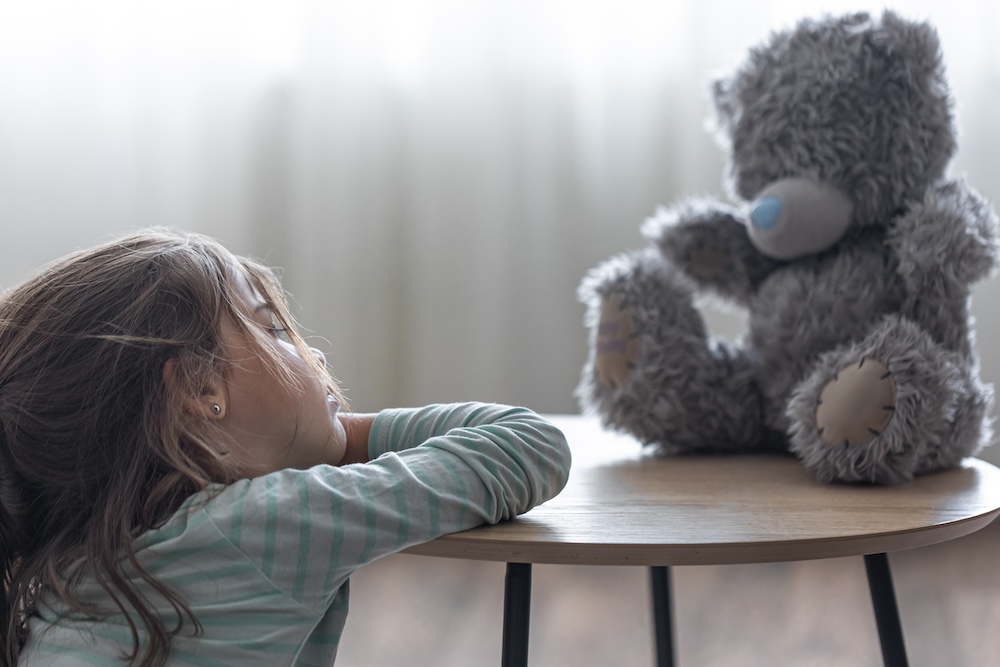
Growing up with a parent who struggles with addiction shapes children in ways that people outside the home often do not see. Many learn to hide problems, adapt quickly, and keep up an appearance of normal life while living with unpredictability and stress. The effects do not always end when a child leaves home. They can influence relationships, self-worth, and the way a person handles conflict and trust. This article describes common experiences, the effects that can carry into adulthood, why the child is never to blame, and practical ways adults can begin to heal.

What Children Often Experience
Every family is different. Some children live with anger, violence, or neglect. Others live with a parent who is physically present but emotionally unavailable. Many experiences fall somewhere in between, and most include a few recurring patterns.
Uncertainty. When a parent's mood, behaviour, or availability can change without warning, children often become highly alert. They learn to read tone of voice, watch for signs of trouble, and prepare for the next change. That constant monitoring can feel exhausting, and it can make a calm home feel strange.
Responsibility beyond their years. Some children take on adult tasks early. They may care for younger siblings, cover for missed bills or school events, or try to keep the household running. Their own needs and feelings can be overlooked because the family is focused on crisis.
Secrecy and shame. Addiction carries stigma, and children often learn that problems must stay inside the home. They may lie to protect a parent, make excuses to friends, or hide the truth from teachers. That silence can feel like loyalty, but it also keeps the child isolated.
Children in these homes also often struggle to make sense of the outside world. A friend's family may seem calm and predictable in ways that feel unfamiliar, and a child may not know whether to trust that calm. Some children feel different from their peers and assume something is wrong with them. Those feelings are understandable, and they tend to ease when a child or adult has a safe place to talk about them.
Effects That Can Carry into Adulthood
Growing up in this environment teaches skills that help a child survive. Those same skills can become difficult in adult life. Many adults who grew up with addiction in the home describe some of the following patterns.
- Difficulty trusting others, or a tendency to trust too quickly and then feel betrayed
- A fear of abandonment that shows up in friendships, romantic relationships, or work
- A strong sense of responsibility for other people's feelings and problems
- Trouble setting limits, saying no, or asking for help
- Anxiety, low mood, or a harsh inner critic
- Their own struggles with alcohol, drugs, or other coping behaviours
These patterns are not character flaws. They are often adaptations that once helped a child stay safe. Recognizing them is the first step toward choosing something different, and it can take time and support to change them.
It Is Not Your Fault
A child did not cause a parent's addiction, and no amount of good behaviour, quiet compliance, or helpfulness could have controlled it or cured it. Children are not responsible for fixing an adult's pain, even when they feel they should be. If no one has said this clearly, it is worth hearing now: the job of managing a parent's addiction belonged to the adults in the family.
Understanding that can be a relief, but it can also bring up grief and anger. Those feelings are normal. You do not need to decide how you feel about a parent in order to begin healing, and you do not need to cut ties with anyone to take care of yourself.
Many adults worry that they will repeat a parent's patterns. Recognizing a pattern is not the same as being destined to repeat it. Many people who grew up around addiction build stable, caring relationships, often by learning new skills, choosing supportive partners and friends, and getting help when old reactions feel too strong. Change is possible, even when it is slow.
Starting to Heal
Healing from a childhood shaped by addiction is not about blaming a parent forever. It is about reclaiming the parts of yourself that were set aside during the chaos. A few practical steps can help.
Learn about trauma. Addiction in the home often creates complex stress, where a child is exposed to unpredictable and repeated harm without stability. Learning how this affects the nervous system can help you make sense of reactions you have today, such as hypervigilance or the urge to rescue others.
Talk to someone who understands. Counsellors and therapists trained in trauma and addiction recognize these patterns. You do not have to explain every detail at once. A good therapist will go at a pace that feels safe. Family-focused support can also help when the effects of addiction are still shaping current relationships. Our family support program describes how families can get involved in recovery.
Set boundaries and practise them gently. Boundaries can feel selfish if you grew up believing your role was to keep everyone else happy. They are not selfish. They are a way to protect your time, your energy, and your well-being. Learning to say no to unhealthy relationships, to rescuing others at your own expense, and to mistreatment is an important part of recovery.
Look after your own health. Sleep, nutrition, movement, and support from people who are safe to be around all matter. If you notice that you are drinking, using drugs, or feeling persistently low or anxious, it is worth talking to a doctor or a mental health professional. Our depression treatment page explains how these concerns are approached.
Frequently Asked Questions
Is it normal to still feel affected by a parent's addiction as an adult?
Yes. Many adults continue to feel the effects of growing up in an unstable home, sometimes for decades. Those effects often appear in relationships, work, and self-image. Support can help you understand them and make different choices.
Do I have to confront a parent to heal?
No. Healing is something you can do whether or not you have contact with a parent, and whether or not that parent is still struggling with addiction. Some people choose distance, some choose limited contact, and some find ways to talk through the past. Choose what keeps you safe.
Should I get help if I am still using substances myself?
Yes. Using substances to manage the effects of a difficult childhood is common, and it is also something that can be addressed. Talk to a doctor or a treatment team about the options available, including hybrid and virtual outpatient care.
Where can I start if I do not know what to do next?
Start with one conversation. You can call our admissions team at 705-429-3870 or reach out through the contact page. You can ask questions without committing to anything, and you can take the next step at your own pace.
You are allowed to choose a different ending to a story you did not write. Healing does not happen overnight, but it can happen one honest step at a time.
Written by Dr. Leonard Bienenstock, Medical Director / Addictions Doctor, M.D., CCFP
Dr. Bienenstock completed medical school at McGill University and his family medicine residency at Toronto Western Hospital. He has further training in addictions medicine and psychotherapy and serves as Medical Director at Metamorphosis Centre for Change.