
 Metamorphosis Centre for Change
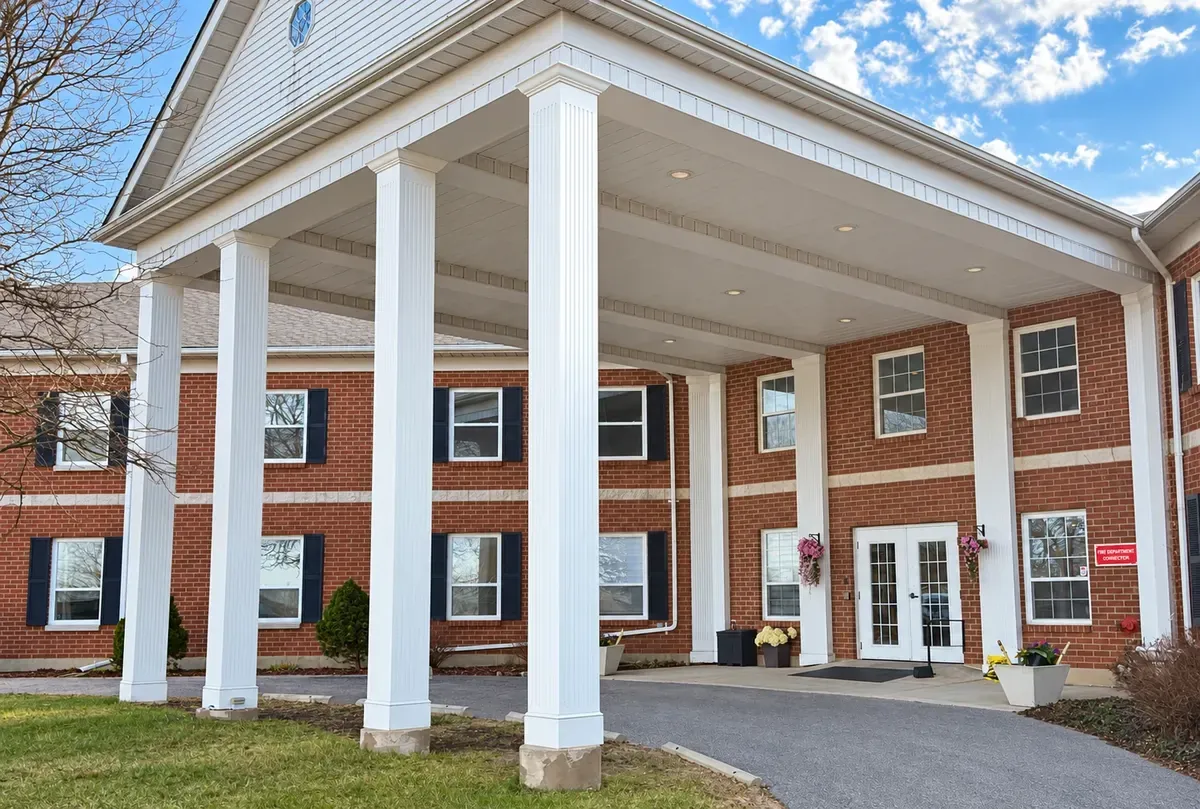
Signs and symptoms of porn addiction tend to appear as a pattern over time, not as a single event. The most common signs are use that feels hard to control, a need for more or more explicit material, and a growing cost to work, sleep, relationships, or health. If you recognize several of these in yourself or in someone you care about, it is a good reason to talk with a doctor or counselor. Porn addiction is treatable, and clear information is a sensible place to start. Metamorphosis Centre is a private addiction and mental health treatment center in Delhi, Ontario, and you can reach our admissions team at 705-429-3870.
Navigating Porn Addiction: A Roadmap to Understanding and Recovery
For many adults, pornography is an occasional private habit with no real downside. For some people, though, the habit slowly takes over. Porn addiction, also called pornography addiction, describes a pattern of sexual behavior that keeps going even when the person wants to stop and even when it causes harm. The word addiction can feel heavy. For many people it is also the word that finally explains months or years of struggle, and it points toward help.
This article covers the common signs, what treatment can look like, and where to start. It is general information and not a diagnosis. Only a qualified professional can assess what is happening for you.
When Porn Becomes Addiction
How much a person watches is not what defines addiction. What matters is whether they can control the habit and what it costs them. These patterns tend to appear together:
- Use that feels compulsive, including watching for longer or more often than planned.
- Repeated attempts to cut back or stop that have not lasted.
- Needing more explicit or more frequent material to get the same feeling.
- Time online taking away from work, school, sleep, friends, or hobbies.
- Preferring pornography to intimacy with a partner, or sexual problems with a partner that seem linked to the habit.
- Anxiety, restlessness, irritability, or low mood when access is blocked or unavailable.
- Continuing despite guilt, shame, or conflict with people you love.
Many people also notice secrecy creeping in. They clear their browsing history, spend money or time in ways they did not plan, or feel as though they are living two lives. If several of these describe you, take them seriously without panicking. Noticing the pattern is a useful first step.
Shame tends to make things worse. People who feel ashamed often hide the habit for longer, which makes it harder to talk about. A conversation with a doctor, a counselor, or a treatment team is a practical way to get an honest assessment, and many people find it less daunting than they expected.
Tackling Porn Addiction by Yourself and with Your Loved Ones
Some people make real progress on their own. Common steps include setting clear limits on when and where devices are used, removing or filtering apps and sites that trigger use, filling the time that used to go to the habit with other activities, and protecting sleep and exercise. A trusted friend who knows what you are working on can act as an accountability partner.
Cognitive Behavioral Therapy (CBT) is one of the most studied approaches for compulsive behavior. It helps you notice the thoughts, moods, and situations that lead to use, and it teaches other ways to respond when those triggers appear. Many people find that CBT gives them practical tools they can keep using after treatment ends.
When a relationship has been affected, couples therapy or sex therapy can give both partners a structured place to talk about what happened, rebuild trust, and address any sexual difficulties. Some couples find that going together lowers the sense that one person is to blame. Family members can also learn how to support recovery without becoming the person's watchdog.
Open communication matters too. Telling a loved one what is going on, calmly and without blame, is often harder than it sounds. It can change how much support you receive.
Getting More Specialized Help
If self-directed steps are not working, or if the habit is causing serious harm, more structured care can help. Private addiction treatment centers offer assessment, individual and group therapy, and planning for life after treatment. Many people who struggle with compulsive sexual behavior also deal with depression, anxiety, or substance use. A good assessment looks at these issues together rather than one at a time.
At Metamorphosis Centre in Delhi, Ontario, our team can talk through what kind of care fits your situation, including whether an outpatient or residential program makes more sense. You can read about our programs, look at the virtual outpatient option, or contact us with questions. If low mood is part of what you are facing, our page on depression treatment explains how that is handled.
Frequently asked questions
Is porn addiction a recognized condition?
Professionals describe this pattern in different ways. The World Health Organization includes compulsive sexual behavior disorder in ICD-11, while many clinicians prefer the term porn addiction. Whatever the label, a qualified clinician can assess whether the pattern is causing harm and what would help.
How do I know if my use is a problem?
A useful question is whether you can control it and what it is costing you. If you want to cut back and find you cannot, or if use keeps affecting your work, sleep, relationships, or health, an assessment is worth doing. Occasional use that causes none of these problems is not a diagnosis.
Can someone stop without treatment?
Some people do, particularly when the pattern is mild and they have solid support. For others, a structured program with therapy such as CBT offers more dependable help. You do not need to wait for a crisis before asking.
Will my family be involved in treatment?
That depends on your program and on your wishes. Family sessions are part of many programs, and you decide who is involved. Our family support program explains how loved ones can take part, and our admissions team can answer specific questions.
Next Steps
If you are not sure where to start, a short phone call can help. Our admissions team can answer questions about programs, what to expect, and what to bring, with no obligation. Call 705-429-3870 or send a message through our contact page. If cost is a concern, the finance page describes the options we can talk through with you.
Related reading: Addiction rehab in Toronto.