
 Metamorphosis Centre for Change
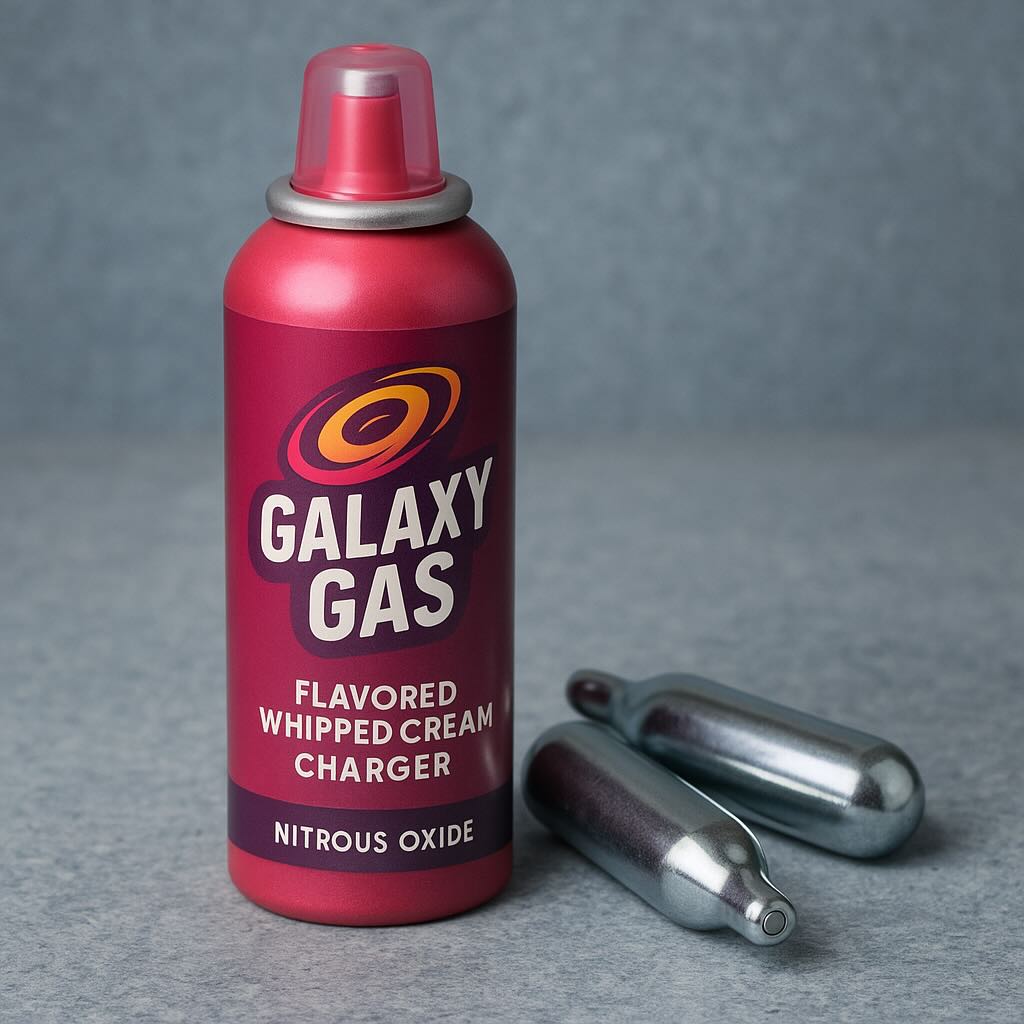
Galaxy Gas comes in bright packaging and flavors like strawberry, mango, watermelon, and bubblegum. It looks more like a candy or a vape product than a medical or chemical item, and that is part of the problem. The product is sold as a flavored whipped cream charger for culinary use, but the cartridges contain nitrous oxide, also known as laughing gas. Nitrous oxide has a real medical history. Dentists have used it for decades to ease patient anxiety in a controlled setting. Outside that setting, inhaling it from a balloon or cartridge can damage the nerves and the brain, especially with repeated use. This article explains why Galaxy Gas is more dangerous than its packaging suggests, what the warning signs look like, and where to get confidential help.
Why Galaxy Gas Feels Like a Trend, Not a Threat
Fruity flavors soften the way people think about a product. Many people remember how tobacco moved toward sweet-flavored products and how quickly that shift made nicotine feel less risky. Galaxy Gas follows a similar pattern. It is passed around at festivals, clubs, and casual get-togethers, and it appears in short videos on TikTok and Instagram. Young people often post clips of themselves inhaling from balloons and then laughing, stumbling, or staring into space, as if it were part of a joke.
The videos rarely show what happens afterward. They do not show the person who feels numb for hours, the person who struggles to stand, or the person who does not feel right for days or weeks. The idea that it is just a gas is common, but the small steel cartridge can cause lasting neurological harm when it is used again and again.
A Quick Look Back: Where Did This Even Start?
Nitrous oxide was discovered in the late 1700s, and early researchers explored it for its anesthetic properties. People also noticed the euphoric, dizzy feeling it produced when inhaled. In the 1800s, so-called laughing gas parties were popular among some of England's upper class. People inhaled it purely for entertainment.
The chemistry has not changed much since then. What has changed is the packaging. Modern brands add flavor, catchy names, and clean designs, and they avoid overt drug references. That makes the product feel approachable. Underneath the branding, the compound is the same one that has been used recreationally for centuries, and it still affects the brain in the same way.
Understanding Nitrous Oxide: More Than Just 'Laughing Gas'
Many people first hear about nitrous oxide at the dentist. A warm mask, a gentle buzz, and some giggling are common memories. In that setting, the gas is mixed with oxygen, measured carefully, and given by trained professionals who start and stop it as needed. The patient is monitored the whole time.
Inhaling the same compound from a balloon or cartridge is a different experience. There is no oxygen mix, no measured dose, and no one keeping watch. The risks are not comparable, and it is misleading to treat the two situations as the same.
What Happens When You Inhale It?
Nitrous oxide interferes with signals in the brain. It blocks NMDA receptors, which play a role in learning, memory, and the perception of pain. In short bursts, this can produce a floaty, euphoric, detached feeling. Some people describe feeling outside their own body, or feeling as if time has slowed down.
While the brain is in that altered state, the body is not getting enough oxygen. Nitrous oxide displaces oxygen in the lungs, and brain cells depend on a steady supply. Repeated inhalation in one session makes this worse. The brief high can hide what is happening underneath.
Some people call Galaxy Gas a harmless high, or say it is better than cannabis because it does not stay in the system and has no smell. Those points may be true in a narrow sense, but they do not describe the risks. Frequent use can lead to vitamin B12 depletion, nerve damage, and serious cognitive problems. There are documented cases of young, otherwise healthy people who ended up using wheelchairs after repeated nitrous oxide use. The gas can make people feel calmer and more distant in the moment, while slowly making it harder for them to think clearly, manage emotions, or walk normally.
A Soft Entry, Like Vaping or Edibles?
Galaxy Gas shares a pattern with other products that seemed safer at first. Vaping was once promoted as a cleaner alternative to smoking, and many people now know how quickly it can lead to dependence, especially among teenagers. Edibles offer a similar low barrier. A person eats a gummy without rolling anything or handling a pipe, and it becomes easy to forget that they are still taking a mind-altering substance.
Galaxy Gas has the same appeal. It is flavored, neatly packaged, and easy to get. There is no fire, no needle, and no street deal. The harm is still there, but it is often delayed and easy to underestimate.
The Real-Life Consequences of Galaxy Gas Use
Most people do not start with a plan to do serious damage. The first experience is often a single balloon before a concert or a laugh with friends on a Friday night. Over time, the effects can add up. The high comes with a cost, and that cost can appear in ways people do not expect.
Numb Hands, Tingling Feet, and a Foggy Brain
One of the first warning signs in regular users is subtle. There may be tingling in the fingertips, a feeling that the legs are not moving quite right, or a sense of heaviness when walking. It is easy to blame tiredness, sitting too long, or stress. In some cases, the underlying problem is a vitamin deficiency.
Heavy nitrous oxide use depletes vitamin B12, which the nerves need to function properly. Without enough of it, nerves can malfunction. That can show up as numbness, tingling, weakness, or in severe cases partial paralysis in the arms or legs. Some people say it feels like walking on clouds. Others say their limbs no longer feel like their own. These effects are real and documented, and some of the nerve damage can be permanent.
Losing Track of Time, Memory, or Even Reality
The effects are not only physical. Long-term use can affect memory and thinking. People may struggle to focus, forget names, or lose the thread of a conversation. The experience can change from getting high to feeling stuck in a fog that does not lift.
People who already live with anxiety or depression may find that nitrous oxide makes those problems harder to manage. It can make it more difficult to regulate emotions and to enjoy things without the gas. Some people use it to fall asleep or to quiet racing thoughts. Over time, that can turn into dependence, though it rarely looks like the cravings and withdrawal people associate with other drugs. More often it looks like a growing reliance on the gas to feel okay.
The Hardest Part? Most Users Don't Know It's Happening
Galaxy Gas does not feel like a drug problem. There is no needle, no dealer, and no gritty street setting. Because of that, people often do not seek help until something frightening happens, such as fainting without warning, noticing that their legs are numb, or having a panic attack they cannot explain. By then, some of the damage may already be done.
Awareness matters because of this. The goal is not panic. It is prevention, and that starts with recognizing that the harm is real even when the product looks harmless.
Flavors, Filters, and Feeds: How Galaxy Gas Became Cool
Look at the packaging for a moment. Galaxy Gas does not look like a chemical or a controlled substance. It does not come in a brown bottle with a warning label. The designs are modern and sleek, and some boxes use space themes. Flavors like blueberry and candy apple make the product look like it belongs next to bubblegum or a vape pen. Whether or not the designers intended to appeal to teenagers, the look and flavor certainly do.
A Scrollable, Shareable High
Social media plays a major role. Short, flashy videos of people using nitrous chargers appear on several platforms. Usually the clip shows a party, a pile of balloons, and someone laughing uncontrollably. Sometimes it shows someone zoning out in a parked car with a balloon still in hand. The music and captions make it look harmless.
What viewers rarely see is context or consequences. They do not see what happens five minutes later, when the high wears off and the person feels numb or panicked, or when they try to stand and their legs do not cooperate. The comments are often laughing emojis or questions about where to buy it. Very few people explain how the product works or what it does to the body. That gap is part of the danger, because there is no clear guide for people who are curious.
It's Legal... So It Must Be Safe?
This is where things get murky. Products like Galaxy Gas are sold as culinary items, and in many places they are legal to buy. Because they are legal and sold openly, there is an unspoken assumption that they must be safe. Legal status and safety are not the same thing. Acetone and lighter fluid are legal too, and nobody should inhale either one.
Because Galaxy Gas lacks the cultural baggage of traditional drugs, people often do not approach it with caution. For younger users, the step from curiosity to repeated use can be quick. It starts with a few puffs, then a few more, then perhaps a box ordered online, and then use alone. A party trend can become a private habit before anyone notices.
Easy to Buy, Hard to Control: The Access Problem
Getting Galaxy Gas is not difficult. A quick online search brings up storefronts that look professional and polished. Some sellers promote bulk discounts, free shipping on larger orders, or bundles that include balloons. Many of these sites present the product in a way that looks ordinary, which makes it feel like any other online purchase.
That ease of access is one of the biggest issues. When there is little friction between wanting a product and receiving it at the door, people have fewer chances to pause and ask what they are actually using. Parents and teachers may not know that a package has arrived, and young adults may not realize how often they are using.
It's Treated Like a Kitchen Tool, Until It's Not
Galaxy Gas is marketed as a food-grade product for whipped cream dispensers. In a café or home kitchen, chargers are screwed into a canister to make whipped cream. That legitimate use provides cover for sellers. As long as the label says culinary use only, the seller can point to that label and say it is not responsible for how the product is used.
Most people know that a flavored gas is not needed to make whipped cream. Still, because no law is clearly broken at the point of sale in many places, the product remains widely available. Regulation has not caught up with the way it is marketed and used.
Online Stores vs. Street Sales: No Difference Anymore
Years ago, getting a mind-altering product usually meant knowing someone who had it. That friction made it harder to start. Today, an adult with a debit card can order flavored nitrous and have it delivered. The package does not look suspicious, and the purchase does not feel illegal. It is just a box on the porch.
That normalization is dangerous. When something seems this easy to obtain, people rarely question it, and they are less likely to learn how to use it safely or to ask whether they should use it at all.
Is Regulation Even on the Radar?
Some countries have taken steps to address nitrous oxide misuse. Measures in the United Kingdom and Australia have included limiting sales to adults, requiring specific labeling, and capping how much can be sold at one time. In many other areas, especially parts of North America, rules have not kept pace with the product's popularity.
Part of the reason may be the perception that Galaxy Gas is only a party trend. The harm is also quieter than the harm from some other substances. There are usually not dramatic overdoses or headline-making busts. Instead there are emergency visits, nerve symptoms, anxiety, and emotional crashes. These consequences develop slowly and often out of sight, and by the time they become visible, the cartridges have been used and forgotten.
When the High Becomes a Habit: Galaxy Gas and Emotional Escape
It is easy to think of Galaxy Gas as something people use for fun. For some people, that is all it ever is. But if you look past the videos and the colorful cartridges, there is often something else going on. Many users are not chasing a buzz. They are looking for relief from stress, sadness, or a mind that will not stop.
Numb the Body, Numb the Mind
The experience of inhaling nitrous oxide can feel like a brief shutdown. Sounds become muffled, thoughts slow down, and the weight of the day seems to lift for a moment. The effect may last only a minute or so, but for someone carrying stress, grief, or trauma, that short window of nothing can feel like a break.
This is a form of dissociation, a sense of detachment from the body, from problems, and from the world around. Once someone has felt that separation, it can feel comforting, especially if they are anxious or emotionally worn out. They may return to it again and again. Over time, they may stop chasing the high and start chasing the absence of whatever feeling has been bothering them.
When Coping Becomes Compulsion
This is when use begins to look less like recreation and more like a pattern. It becomes a routine, sometimes a dependence that is more psychological than physical. Some people use it before bed to wind down. Others use it when they are alone and sad. For a few, it has become the only way they feel anything at all.
Many people do not call this a problem, at least not yet. There is no obvious crash or dramatic withdrawal, and few headlines. But the hold can tighten slowly, without much noise.
It's Not Just About the Gas
Not everyone who uses Galaxy Gas has a mental health condition. Still, many regular users report feelings of numbness, anxiety, or emotional disconnection, and some of those feelings were present before they ever tried the gas. In those cases, the gas is not only an escape. It can be a sign of something that needs attention.
That is why treatment cannot focus on the substance alone. A person needs to be asked what they were escaping from and what they were trying to quiet down. If those needs are not addressed, the person may find another way to disconnect, which may or may not involve nitrous oxide. Support needs to be personal as well as medical. The approach should be curious and compassionate, not blaming.
How Galaxy Gas Fits Into the Bigger Picture of Substance Use
When people picture drug use, they often imagine needles, pill bottles, or a back alley. Galaxy Gas does not fit that picture. There is no dramatic collapse and no hidden stash, just a small silver cartridge, a balloon, and a laugh. That quiet appearance can make the product seem smaller, or even safer, than it is.
"It's Not Like I'm Doing Real Drugs"
People who use Galaxy Gas often point out what they are not doing. They say they are not using pills, or that it is not like using methamphetamine. Those comparisons may be accurate in some ways. Nitrous oxide is not heroin, and it does not reach the bloodstream in the same way. But that does not make it harmless.
Some clinicians note that the sense of safety is part of the risk. It lets users downplay the effects until they are impossible to ignore, such as when fingers go numb, memory starts to slip, or the person finds they need the gas more than they would like to admit. The question to focus on is not how the product looks. It is what the product does.
Patterns Across Substances
People who use Galaxy Gas often use other substances as well. Some vape, drink regularly, or experiment with cannabis. This is an observation, not a judgment. All of these substances offer an altered state, a buffer between the self and the world. The concern is less about occasional use and more about how easily effects can stack. A hit of nitrous, a puff from a vape, and a drink can blur the line between sober and managed. That is where accidents, poor decisions, and long-term damage become more likely.
The Words We Use Matter
A substance does not have to be a hard drug to cause harm, and a recreational use is not automatically safe. Galaxy Gas sits in a gray area. It is often legal, it is not a prescription medicine, and it is not restricted in the way many other products are. People often call it by softer names, such as chargers, whippets, or canisters. Technically, its misuse falls into the broader category of inhalant use, but the everyday language makes it sound lighter than it is.
Soft language can lead to a soft response. That does not mean we should panic, shame people, or put warnings on everything. It does mean being honest about what we are using and why. Pretending the issue is minor is how a small problem becomes a large one.
The First Time: How People Discover Galaxy Gas
Few people set out to try nitrous oxide on purpose. There is rarely a dramatic decision. Many users say it simply happened. A friend brought it to a party, someone passed around a balloon, or they saw a clip online and wanted to try it. The first experience often feels like no big deal: a brief head rush, some laughter, a floaty feeling, and then it ends. There is no hangover, no bad taste, and no obvious consequence. So the person tries it again, and that is how the habit begins.
When "Just for Fun" Becomes Routine
There is often a moment when something changes. It may be the point where a person stops waiting for a party and starts using alone, or the point where they keep a few cartridges around just in case. They may tell themselves they are not addicted and that they do not use it every day. But if they use it every weekend, or every time they feel low, that pattern still matters.
The warning signs are rarely loud. There is no crash or chaos. There are small changes in routine, mood, and memory, such as a slightly foggier brain, less energy, or hands that feel strange. Those quiet clues are the ones that deserve attention.
Where Do Most People Start?
People encounter Galaxy Gas in several common settings:
- Parties and raves, where balloons are passed around like gum.
- Online trends, including social media challenges, reaction videos, and memes.
- Workplaces, especially kitchens, where whipped cream chargers are readily available.
- Curiosity, including boredom, peer influence, or a wish to feel something different.
Some people do not even know what they are inhaling the first time. Someone else prepares the balloon and provides the cartridge, and the person ends up high on something they did not fully understand. Early use often comes not from recklessness but from not knowing what to look for.
Conversations That Actually Help
Most people do not respond well to lectures or scare tactics. If you tell someone they are destroying their brain, they may shut down or push back. A better starting point is a question, such as "What do you like about it?" or "How does it make you feel?" Those questions can open a real conversation.
Many people do not want to become dependent. They simply did not notice they were heading that way. Early conversations work best as check-ins rather than confrontations, where you ask how the person is doing and mean it.
What Recovery Looks Like (And Why It's Often Overlooked)
If someone tells you they are struggling with Galaxy Gas, they may get a puzzled look. Many people have never heard of it. Others shrug and say that laughing gas cannot really be addictive. That reaction, even when it is unintended, can make it harder to ask for help. If the problem is not taken seriously, a person may wonder what they are supposed to do, and some wait until something goes badly wrong.
The Medical Side: Nerves, Vitamins, and Long-Term Monitoring
For many people, the first step in recovery is not therapy. It is a medical assessment, because repeated nitrous oxide use can cause serious nerve damage. Symptoms can include numbness, tingling, difficulty walking, and memory problems. Many people do not connect these symptoms to the gas until a clinician points it out.
A common issue is vitamin B12 deficiency. Nitrous oxide interferes with how the body uses B12, which the nervous system needs. Clinicians may treat deficiency with B12 supplementation, sometimes over a period of months, and they will monitor how the nerves respond. Some nerve damage does not fully recover, so the goal of medical care is to stop further harm and support whatever recovery is possible. Dosing decisions belong to a physician or pharmacist.
The Emotional Side: More Than Just Stopping
Stopping Galaxy Gas often means facing the feelings that made escape attractive in the first place. There may be anxiety, numbness, loneliness, or a silence that the person was trying to fill. That can be hard. For many people, the emotional discomfort of stopping is harder than the physical symptoms.
This is why mental health support matters. It helps a person build something to hold onto in place of the habit. At Metamorphosis Centre for Change, support is tailored to each person. For some, that means counselling or trauma-informed therapy. For others, it includes group sessions, lifestyle changes, or practical ways to cope without disconnecting. There is no single correct path. What tends to help most is being taken seriously, even when a struggle does not look dramatic from the outside.
Progress Can Be Quiet, Too
Recovery does not always look like a breakthrough. Sometimes it looks like better sleep, a clearer head, more energy, or a calm moment without needing a balloon. Those are real gains, even if they are quiet. If you are somewhere between not fine and not falling apart, you are not alone. Many people are in that space, unsure how to describe their relationship with Galaxy Gas. You do not need a label to ask for support. A little honesty and the right person to talk to are enough to begin.
Final Thoughts: Awareness Over Alarm, Curiosity Over Judgment
Galaxy Gas is not the most dangerous substance in the world, and it is not the most addictive. That is also why it can be risky. It is easy to dismiss, and it is often treated as a party accessory rather than a possible route to nerve damage, dependence, or emotional instability. It can slip past parents, teachers, and friends. Subtle harm is still harm, and when it happens quietly in bedrooms, kitchens, and parked cars, the response needs to be steady and informed.
That response does not need to be loud outrage or dramatic public warnings. It starts with better questions. Why are people using it? What does it do for them? What might they need instead? A shift from shame to curiosity can change how a conversation unfolds, and it can make it easier for someone to tell the truth about their use.
What Can You Do If You're Concerned?
If you think someone you know may be using, you do not need to become an expert overnight. Be present. Ask questions without judgment. Notice changes in mood, memory, or behavior, and share what you see gently. Remind them that they are not weird, bad, or broken. They may simply be stuck, hurting, or using something because they have not found anything else that helps.
What Can We Do as a Community?
This goes beyond any one family. As a community, we can do more to catch these in-between substances before they cause serious harm. That includes clearer labeling on products like Galaxy Gas, tighter limits on online sales, especially to minors, and better education about what nitrous oxide does to the body. It also includes normalizing honest conversations about mental health and emotional escape. Not everyone who uses a whipped cream charger is in crisis. Some are. We should not have to wait for someone to reach rock bottom before taking the problem seriously.
A Final Note to Anyone Wondering If It's "Too Much"
If you have been using Galaxy Gas more than you intended, or more often than you would like, that alone is a good reason to pause. You do not need to be addicted, and you do not need to wait for something to go wrong. If something about your use feels off, pay attention to that feeling. Questioning your habits is how change often starts.
If you want help, support is available. You do not have to explain everything at once, and you do not need to reach a particular low point first. Showing up is enough.
Ready to Take the First Step?
If you or someone you care about is using Galaxy Gas or other substances to escape, cope, or feel a little better, you are not alone, and help is available. Metamorphosis Centre for Change understands that substance use often starts quietly. Our team can help you make sense of what is happening, without judgment or pressure, and at a pace that suits you. Whether you are ready for change or just want to talk with someone who understands, we are here to listen.
To start a confidential conversation, call 705-429-3870 or visit our contact page.
FAQ
Is Galaxy Gas legal?
Galaxy Gas is sold as a culinary whipped cream charger, and in many places it is legal to buy. Legal status does not mean the product is safe to inhale. Nitrous oxide can cause nerve damage and other harm when it is breathed in from a balloon or cartridge.
What are the warning signs of nitrous oxide nerve damage?
Early signs can include tingling or numbness in the fingers or toes, a feeling that the legs are not working properly, and difficulty walking. Memory problems and trouble concentrating can also appear. If you notice any of these, see a doctor promptly, because some nerve damage can be permanent.
Can someone stop using Galaxy Gas on their own?
Some people do stop on their own, especially when they notice the risks early. For many others, the urge to use is tied to stress, anxiety, or emotional pain, and support can make the difference. A doctor can check for nerve or vitamin problems, and a mental health team can help with the underlying feelings. Contact us at 705-429-3870 to talk about your options.
Related reading: Addiction rehab in Toronto.