
 Metamorphosis Centre for Change

You can ask for help without telling your whole story at once
A first enquiry can focus on what support you need now: a private conversation, questions about residential care or help understanding available programs. You do not need to describe traumatic events in a public-facing contact form. Trauma experiences and a diagnosis such as PTSD are not interchangeable; clinical assessment is needed to understand symptoms and appropriate care.
Prepare for a useful assessment conversation
- Explain practical needs that affect participation, such as privacy, accessibility or concerns about group settings.
- Ask what information is necessary now, who will receive it and how consent for sharing is handled.
- If you have an existing therapist, discuss coordination rather than assuming all outside care must end.
- Confirm the specific therapies and clinician qualifications offered; a general trauma-support description does not establish availability of a particular specialist treatment.
Use the enquiry form for contact details and general questions. Keep detailed medical or personal information for a private conversation with the appropriate team member.
Compare programs and practical arrangements
The Inpatient Residential Program involves staying at our Delhi centre. The Virtual Intensive Outpatient Program involves scheduled online participation, and the Hybrid Program combines on-site and online stages. These formats describe how people participate; assessment establishes whether a program can meet your needs.
Before committing, obtain a written plan covering the proposed care, duration, fees and payment arrangements, any separate services and follow-up. If a stay is agreed, review what to expect and what to bring. Ask about support for loved ones and confirm the aftercare arrangements that apply to your program.
Frequently asked questions
Does trauma support always require an inpatient stay?
No. The appropriate setting depends on the person’s needs and the available services. Residential care means living at the centre; outpatient participation is a different commitment. Assessment should guide that choice.
Do I have to disclose traumatic events in my enquiry?
No. You can ask for a private conversation and explain the type of help you are seeking. Detailed clinical information belongs in an appropriate assessment, with an explanation of confidentiality.
Can substance-use concerns be discussed at the same time?
Yes. Include both concerns so the assessment can consider how care would be coordinated. Read the concurrent-disorders information for planning questions.
Are specific trauma therapies guaranteed at Metamorphosis?
No therapy should be assumed from a general page. Confirm the proposed method, clinician, suitability and frequency in your treatment plan before booking.
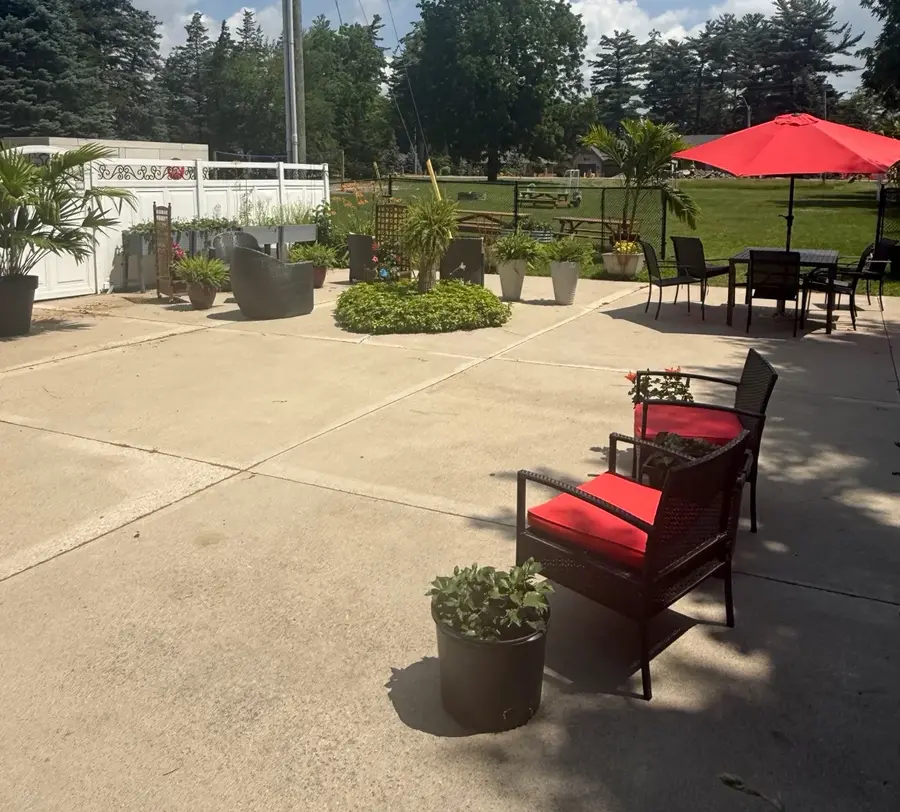
Our Centre in Delhi, Ontario
Our 28,000-square-foot facility at 725 Gibralter St, Delhi, Norfolk County, Ontario N4B 3C7 has 46 residential beds plus 8 dedicated detox beds, 54 beds in total. These figures describe capacity; admissions can confirm current availability and the room arrangements for your program.
Read why people consider Metamorphosis, view facility photographs or request a tour. A tour request needs confirmation before you travel.
Sources and information review
Practical information checked October 19, 2026 against current Metamorphosis program descriptions and owner-confirmed facility details. General background: Centre for Addiction and Mental Health. This page provides information, not a diagnosis, medication instruction or individual treatment recommendation. For a medical emergency call 911 or go to the nearest emergency department.
Our Programs
Mental health and addiction support








Financing Options
Ask admissions about current third-party financing options for paid treatment and how to contact the provider. Confirm availability and approval before relying on financing for admission.
Eligibility, approval, interest rates, fees and repayment terms are set by the financing provider. Review the repayment schedule and total borrowing cost before agreeing.
Begin with a conversation.
Whether you’re seeking support for yourself or someone you care about, start with the information you need to make a decision.
Speak with Metamorphosis
Call to discuss assessment, availability, fees, and your next steps. You can also read the Program Guide and Pricing without submitting a form.
Start with the questions that matter to you
- Which program could fit my needs?
- What does the assessment involve?
- What are the costs and what is included?
- What should I arrange before arriving?
Ask our intake coordinator about programs, availability and next steps. An enquiry does not reserve a bed or confirm admission.
Have Questions?
About getting the right help?
Ask about a program, request a callback or include a preferred tour date in the same enquiry.
Honouring the Fr. Theodore Mirkopoulos Foundation
Generosity That Makes Care Possible
Our detox wing would not have been possible without the extraordinary generosity and enduring support of the Fr. Theodore Mirkopoulos Foundation.
On behalf of our clients, their families and the entire Metamorphosis Centre for Change team, we extend our heartfelt thanks. The Foundation’s contribution has helped create a welcoming space where people can take their first steps toward recovery with compassion, dignity and care.
This dedication honours that generosity and expresses our lasting gratitude for helping make this care possible for the individuals and families we serve.

Dedication Opportunities
A dedication can honour a loved one or recognize the generosity of an individual, family, foundation or business.
If you would like to explore supporting Metamorphosis Centre for Change through a wing dedication or naming opportunity, we welcome a conversation. Please contact our team to discuss your wishes and how your support could contribute to the care we provide.